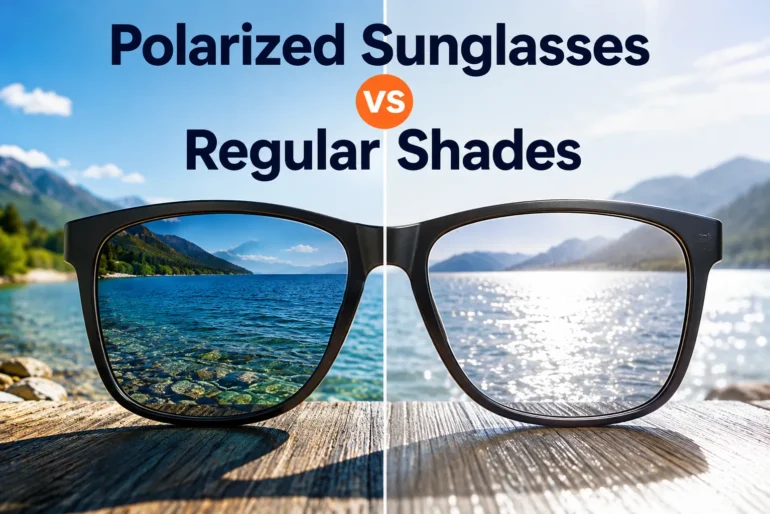
Squint at a sunlit lake, a wet highway, or a snow-covered slope and you quickly learn that not all shade is created equal. Two people can wear sunglasses that look almost identical, yet one sees crisp detail and calm color while the other still battles blinding flashes of light. That gap comes down to a single feature that quietly separates ordinary tinted lenses from something far more capable. Understanding the contrast between standard shades and polarized lenses changes how you shop, how you drive, and how comfortable your eyes feel after a long day outdoors. This guide breaks down what actually happens behind the lens, when the difference matters most, and how to tell whether the pair on your face is truly working for you or simply dimming the world.
Glare Is the Real Enemy, Not Brightness
Most people assume sunglasses exist to make things darker. In reality, darkness is only half the story. The bigger problem outdoors is glare, the harsh, disorienting light that bounces off flat surfaces like water, glass, sand, and asphalt. When sunlight reflects off these surfaces, it becomes horizontally polarized, meaning the light waves line up in one direction and hit your eyes with concentrated intensity. Regular tinted lenses reduce overall brightness, but they treat this reflected glare the same as ordinary light. You get a dimmer view, yet the blinding hotspots remain.
This is where the contrast becomes obvious. A polarized lens contains a special chemical filter, aligned vertically, that blocks those horizontal light waves while letting useful light pass through. The result is a scene with dramatically less glare, richer contrast, and truer color. If you have ever compared cheap gas-station shades to a quality pair while watching sunlight ripple across a river, the difference feels almost like switching from a foggy window to clear glass.
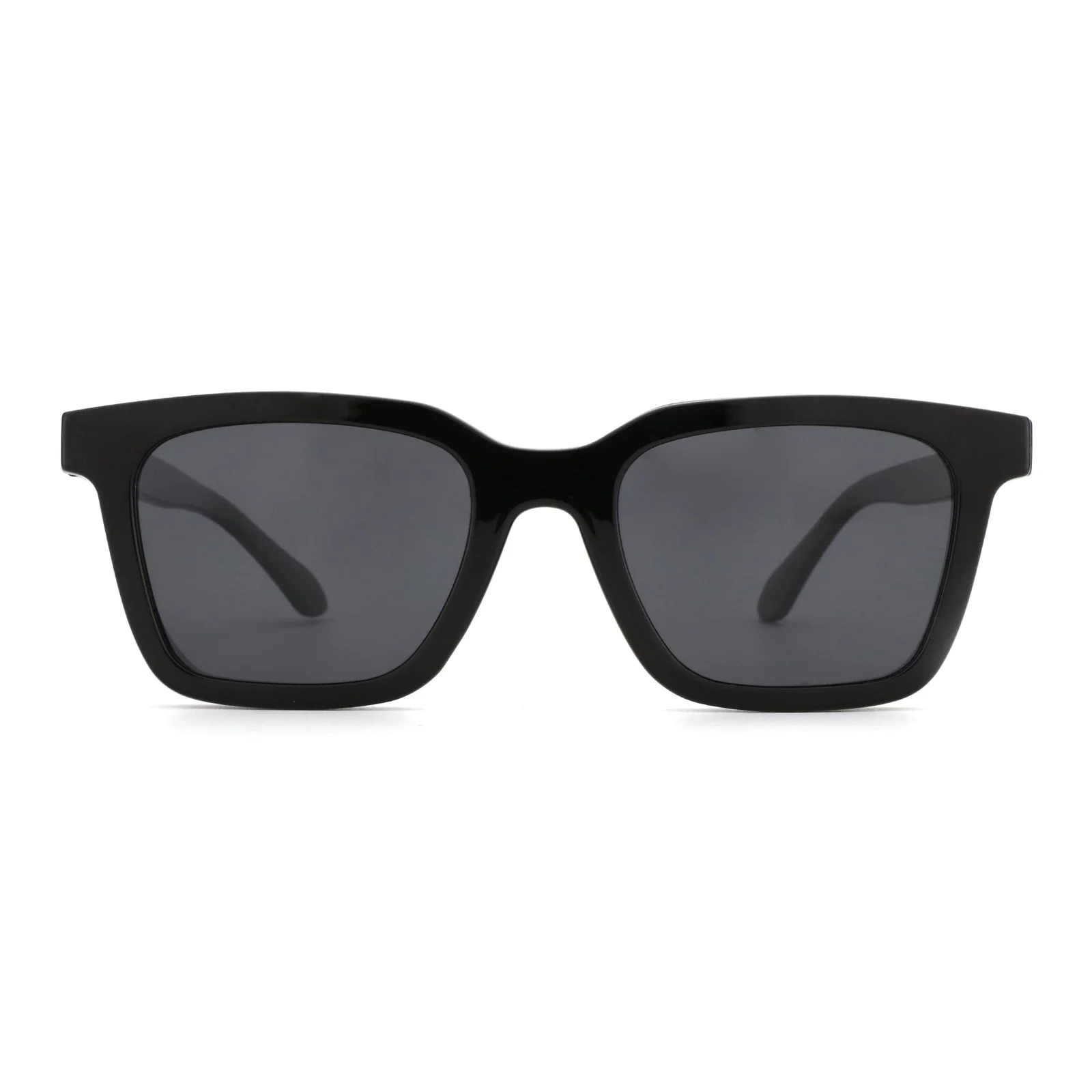
For anyone who spends real time near reflective surfaces, choosing Polarized Sunglasses is less about fashion and more about function. Anglers can suddenly see beneath the water’s surface. Drivers stop flinching at the flash off a car hood. Skiers regain depth perception on a bright, flat field of snow. That practical payoff is exactly why the technology has moved from a niche feature to a widely expected one.
Before and After: What Your Eyes Actually Notice
The easiest way to grasp the contrast is to imagine the same afternoon experienced two ways. With regular shades, you look at a parking lot and see a muted, gray-ish version of a very bright scene. Your eyes still work hard, still squint slightly, and by the end of the day you feel a dull fatigue behind them. Colors look washed out because the tint reduces everything equally, including the light your eyes need to distinguish detail.
Switch to a polarized lens and the after picture changes. The overall brightness may feel similar, but the visual noise disappears. Reflections that once scattered across your field of vision are gone, so the scene resolves into sharper edges and deeper color. Green leaves look genuinely green, the sky holds its blue, and the pavement stops throwing distracting sparkles. Because your eyes are no longer fighting glare, they relax. Many people report that the biggest surprise is not how dark polarized lenses are, but how much calmer their vision feels.
This before-and-after gap explains why so many first-time wearers become loyal to the technology. Once you have experienced a glare-free view on a bright day, the ordinary version feels genuinely lacking. It is one of those upgrades that is hard to appreciate until you try it, and hard to give up afterward.
Where the Difference Matters Most
The contrast between polarized and non-polarized lenses is not equally dramatic in every situation. On a hazy, overcast walk through a shaded park, you may barely notice a difference. The technology earns its keep in specific, high-glare environments where reflected light dominates the scene.
Driving is the everyday example most people relate to. Sunlight bouncing off a wet road, a windshield, or the polished hood of the car ahead can momentarily wash out your vision, and that split second matters at speed. On the water, glare off the surface hides everything below it, which is why anglers and boaters treat polarized lenses as essential gear rather than a luxury. Snow presents a similar challenge, reflecting light upward in a way that can genuinely disorient, so winter sports enthusiasts lean on the same filtering effect. Even a casual beach day becomes more comfortable when the shimmer off the sand and sea stops assaulting your eyes.
There is one honest trade-off worth knowing. Because polarized filters interact with certain screens, some LCD displays, phone panels, and dashboard readouts can look dim or show odd rainbow patterns when viewed through them at particular angles. For most people this is a minor quirk, but pilots and heavy-equipment operators who constantly read screens sometimes prefer non-polarized options. Knowing this in advance helps you match the right lens to your real daily activities instead of assuming one type wins every time.
Lens Color Changes the Experience Too
Polarization decides whether glare gets filtered, but the tint color of the lens shapes how the world looks once that glare is gone. This is a layer many shoppers overlook, assuming any dark shade performs the same job. In practice, the color of a polarized lens can make certain activities noticeably easier on the eyes, and pairing the right tint with polarization is what separates a good pair from a great one.
Gray lenses are the neutral all-rounder, dimming light evenly without shifting how colors appear, which makes them a reliable choice for driving and general bright-day use. Brown and amber tints boost contrast and depth perception by filtering more blue light, so they shine on the water, on hiking trails, and in variable conditions where reading terrain matters. Green lenses strike a balance, keeping colors fairly true while still sharpening contrast, a favorite for long hours outdoors. Rose and copper tints can help in overcast or lower-light moments when you still want glare control without an overly dark view. None of these colors replace polarization; they refine what you see after the reflected light has already been stripped away, letting you tune the lens to the environment you actually spend time in.
How to Tell If Your Lenses Are Truly Polarized
Marketing labels are not always trustworthy, and a dark tint alone tells you nothing about polarization. Fortunately, you can verify the feature with a couple of simple checks that require no special equipment. The first method uses any reflective surface or a bright screen. Hold your sunglasses in front of you and slowly rotate them about ninety degrees. If the lenses are polarized, the glare or screen will noticeably darken or brighten as you turn them, because you are changing the angle between the filter and the polarized light. Non-polarized lenses show no such shift.
A second approach works if you have two polarized pairs. Line them up lens to lens and rotate one. At a certain angle the overlapping lenses turn nearly black, blocking almost all light. That dramatic darkening is the signature of true polarization at work. Brands that specialize in optical quality, such as ZENOTTIC, build this filtering directly into the lens material rather than applying a flimsy surface coating, which is part of why the effect stays consistent and the lenses resist scratching and peeling over time.
When shopping, it also helps to separate polarization from UV protection, since the two are often confused. Polarization handles glare and visual comfort, while UV blocking protects the long-term health of your eyes. A good pair delivers both, so always confirm that any lens you consider offers full UV protection in addition to its glare-cutting filter. The strongest choices combine durable frames, genuine polarized lenses, and complete UV defense in one package.
Choosing the Right Pair for Your Lifestyle
Once you understand the difference, the decision becomes personal rather than technical. Ask yourself where you spend the most time and what your eyes struggle with. Someone who commutes long distances in bright conditions will value glare reduction on the road above almost everything else. A weekend hiker or beachgoer benefits from the way polarized lenses restore contrast in wide-open, high-light landscapes. If your days revolve around digital displays and machinery readouts, you might weigh the screen quirk more heavily and choose accordingly.
Fit and frame quality matter too, because the best lens technology is wasted on a pair that slips, pinches, or lets light leak around the edges. Look for frames that sit securely, wrap enough to shield peripheral glare, and feel comfortable through hours of wear. Pair that with lenses that carry both polarization and reliable UV protection, and you have gear that genuinely improves how you see the world rather than simply toning it down.
Seeing Clearly Is Worth the Upgrade
The gap between ordinary shades and polarized lenses comes down to one idea: cutting glare instead of just cutting brightness. Regular tints dim everything and leave the harsh reflections that tire your eyes and mute the scene, while polarized lenses filter out that scattered light to deliver sharper contrast, truer color, and lasting comfort in the exact conditions where you need it most. Knowing where the difference shines, understanding the small trade-offs with screens, and being able to verify true polarization all put you in control of a smarter choice. Whether you are behind the wheel, on the water, or simply enjoying a bright afternoon, the right pair transforms a squinting, washed-out view into something clear and calm. Once you experience that contrast for yourself, going back to plain tinted lenses rarely feels like an option worth taking.