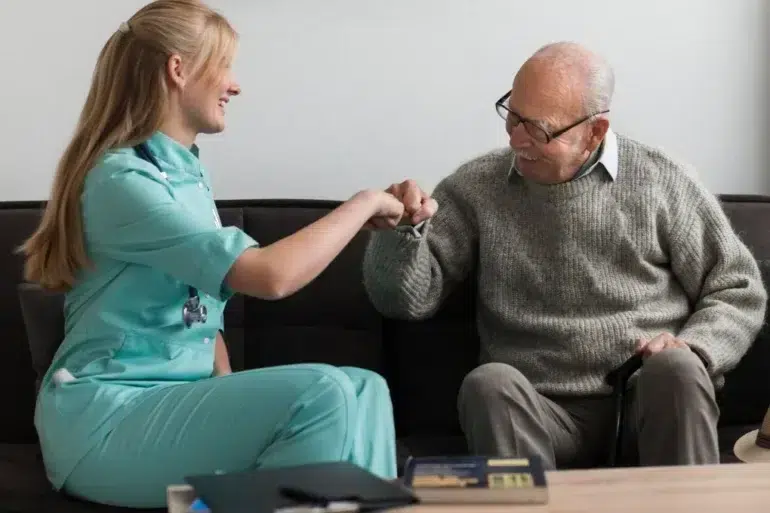
You might be feeling the shift already. A parent who once handled everything with ease now misses medications, skips meals, or seems less steady getting around the house. Before, the routine felt familiar and manageable. After a fall, a hospital stay, or even a few small warning signs, everything can feel less certain. That change is hard to carry, especially when you want to protect your loved one without taking away the life they know. Collegeville home health care can offer support that helps your family navigate this transition with greater confidence.
That is why many families start looking at in home care in Collegeville for seniors. The simple reason is comfort. Home often supports dignity, routine, and peace of mind in a way that other settings cannot. At the same time, good senior care at home can help with safety, daily tasks, and support for the whole family. If you are weighing options, the goal is not perfection. It is finding care that fits real life.
Why does staying at home matter so much to many seniors?
Home is not just a place. It is memory, habit, and identity. Your loved one knows where the light switches are, which chair eases back pain, and what time the sun hits the kitchen window. When health needs change, keeping those familiar details can soften the fear that often comes with aging.
Because of this, home health care can feel less disruptive than a move to a facility. A senior may be more willing to accept help with bathing, dressing, mobility, meal preparation, or medication reminders when that help comes in a familiar setting. That can lower stress, and lower stress often supports better sleep, appetite, and mood.
There is also the family side of the story. If you are juggling work, children, and caregiving, the emotional strain can build fast. You may wonder whether you are doing enough, missing something, or waiting too long to ask for help. In home support does not erase those feelings overnight, but it can create breathing room and a safer daily rhythm.
What problems can in home support help solve day to day?
Sometimes the need is obvious after surgery or illness. Other times, it creeps in quietly. A senior stops driving at night. Laundry piles up. Bills go unpaid. They seem more isolated, and you notice they are eating toast for dinner more often than they admit. None of these signs alone tells the whole story, yet together they often point to a growing need for help.
So, where does that leave you? Usually with practical questions. Who helps with personal care? Who notices changes before they become emergencies? Who checks that the refrigerator has food, that the walker is within reach, or that a missed dose does not turn into a health setback?
That is where care at home can make a real difference. Depending on the service, support may include companionship, hygiene help, mobility assistance, meal support, transportation, light housekeeping, and coordination with medical needs. For families trying to understand care options, the Eldercare Locator can help you find local aging resources and guidance.
There is another layer people do not always talk about. Isolation can affect health just as much as physical limitations. A senior who lives alone may become withdrawn, and that can increase the risk of depression, confusion, and poor self care. Regular visits from a caregiver can bring structure and human connection back into the week.
How does in home care compare with managing everything on your own?
Many families try to patch together support on their own first, and that instinct makes sense. You want to save money, honor independence, and stay close. But informal caregiving can become hard to sustain, especially when needs grow. A simple comparison can help clarify what is realistic.
| Care Option | Possible Benefits | Common Strains | Best Fit |
|---|---|---|---|
| Family only support | Familiar, flexible, no outside adjustment at first | Burnout, missed warning signs, schedule conflicts, uneven care | Short term help or very light needs |
| Professional in home care | Support in a familiar setting, routine help, safety oversight, companionship | Cost planning, finding the right caregiver match | Seniors who want to remain at home with steady support |
| Facility based care | Structured environment, around the clock staff in some settings | Major life transition, less privacy, emotional stress from moving | Higher needs that may exceed what home care can safely cover |
For many older adults, the strongest benefit of in home care is balance. You preserve independence where possible, while adding support where needed. Community programs can also help fill gaps with meals, social connection, and caregiver resources. The Administration for Community Living offers information on senior centers and supportive services for older adults, which can be useful alongside in home care.
What can you do right now if you are unsure?
1. Notice the pattern, not just one bad day.
Start writing down what you see for two weeks. Include missed medications, balance issues, confusion, poor eating, skipped hygiene, or loneliness. Patterns tell you more than isolated moments, and they make care decisions less emotional and more grounded.
2. Ask what matters most to your loved one.
Some seniors care most about staying in their own bed. Others fear being a burden, losing privacy, or giving up control. When you understand the fear underneath the resistance, the conversation changes. You are no longer arguing about help. You are solving for what matters to them.
3. Build a care plan before a crisis forces one.
Think through the basics now. What kind of help is needed each week? What times of day are hardest? Who is the backup if a family member cannot step in? Planning early gives you more choices, and more choices usually lead to better care.
When is home care the right next step?
If daily life is becoming harder, safety feels less certain, or family caregiving is stretching too thin, it may be time to look seriously at home based senior care. That does not mean giving up. Often, it means protecting quality of life before a crisis takes away options.
You do not have to solve every part of this at once. Start with what is happening now, what support would ease the most strain, and what would help your loved one stay safe and respected. That first step is often the one that brings the most relief.