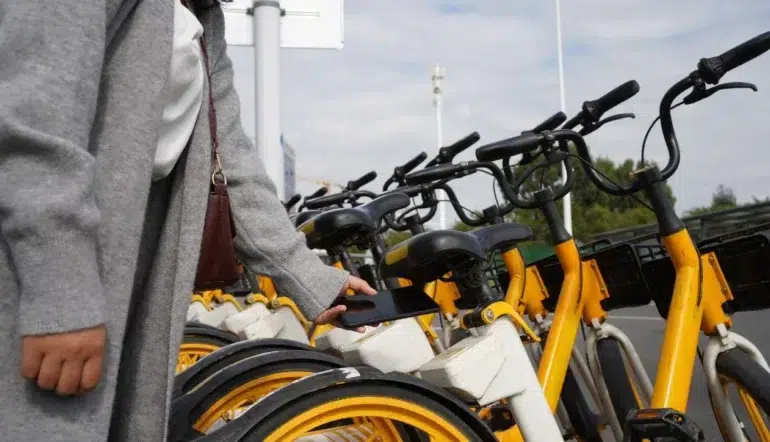
City streets keep getting more jammed. Apartments keep shrinking. And that daily commute? It somehow feels longer every year. Space-saving transportation stopped being a trendy buzzword a while ago; it’s quietly become one of the most practical answers to the very real pressures of modern urban life. From the folding electric bike to sleek microcars you can parallel park in half a standard space, today’s compact options are reshaping how millions of people move, store their gear, and actually think about getting anywhere.
Why Urban Life Is Forcing a Smarter Transportation Conversation
You don’t need a research report to feel the shift; you live it every time you circle a block looking for parking or squeeze onto a packed train at 8 a.m. But the data backs it up, too.
Urbanization Isn’t Slowing Down, And Neither Is The Demand
North America’s folding bicycle industry held a dominant 40.4% global revenue share in 2024. That’s not a niche number. That tells you urban commuters aren’t just browsing, they’re buying. Cities keep growing, parking keeps shrinking, and congestion isn’t getting better on its own. Modern urban mobility now demands vehicles that work with city infrastructure rather than fighting it. Urban commuter vehicles have moved squarely from curiosity to necessity.
It’s Not Just Congestion, It’s a Lifestyle Shift
Here’s the quieter part of the story: people are actively choosing smaller spaces, simpler routines, and more intentional ways of living. Remote work untethered a lot of people from daily car dependency. Minimalism, real, practical minimalism, not the Pinterest kind, is driving real purchasing decisions. All of that feeds directly into demand for compact transportation solutions that don’t require a garage, a fuel budget, or a second parking permit.
The Vehicles Actually Changing How Cities Move
With flexibility and sustainability shaping everyday priorities, the transportation industry has responded with a genuinely impressive generation of compact vehicles. Some are clever. Some are beautiful. All of them solve real problems.
The Rise of the Folding Electric Bike
Let’s be honest, nothing in the compact mobility space does more with less than a folding electric bike. You can’t tuck one under your office desk, lock it in a transit locker, and climb a steep city hill without breaking a sweat. These bikes typically deliver 20 to 40 miles per charge and are accepted on most public transit systems, making them a genuinely multi-modal commuting tool. A folding electric bike isn’t built for serious cyclists only; it’s designed for the commuter who just wants to beat traffic and get somewhere without the drama.
Compact Electric Cars and Micro-Mobility Vehicles
Folding e-bikes aren’t the whole story, though. Models like the Microlino, Citroën Ami, and smart EQ fortwo are quietly rewriting what urban driving even looks like. These urban commuter vehicles slip into parking spots that full-size sedans couldn’t dream of and consume a fraction of the energy doing it.
Shared Micro-Mobility: Scooters, Pods, and the Ownership Question
Not everyone wants to own a vehicle, and honestly, that’s fine. Shared e-scooter and pod platforms are spreading across North American cities, giving commuters real flexibility without long-term financial commitment. Fewer privately owned cars on the road means less congestion and more reclaimed urban space. That’s a win that scales.
What You Actually Gain by Going Compact
Your Home Stops Fighting Your Vehicle
A space-saving transportation option that folds flat or charges in a corner solves something a traditional car never could: it fits where you actually live. For apartment residents, co-living setups, or anyone navigating tight urban real estate, your vehicle doesn’t need its own square footage. That’s not a small thing.
Closing the Last-Mile Gap
Beyond storage, compact vehicles solve a problem that transit systems can’t fully crack on their own: getting you from your front door to the nearest bus or subway stop without a 25-minute walk. That infamous “last mile” has frustrated commuters for decades. Folding e-bikes and scooters close it elegantly.
The Environmental Numbers Are Real
This isn’t just marketing language. U.S. e-bike use reduced CO₂ emissions by 15,737.82 kilograms in 2022, while riders collectively burned approximately 716,630 kilocalories through their activities, a genuinely compelling dual benefit. Eco-friendly transport options built today use recycled materials, advanced battery tech, and regenerative braking to make every trip meaningfully cleaner than it used to be.
How to Actually Choose the Right Vehicle for Your Life
Features That Matter More Than the Marketing
Weight determines whether you’ll carry the bike onto a train or leave it chained outside. Battery range determines how often you’re hunting for an outlet. Anti-theft features determine your stress level. Compact transportation solutions that score well across all of these aren’t cheap, but they’re worth it.
The Tech Is Getting Genuinely Impressive
Smart locking systems, GPS tracking, app connectivity, AI-driven route analytics — these aren’t future features anymore. They’re showing up in today’s top eco-friendly transport options right now. As cities invest more in connected infrastructure, expect this baseline to keep climbing.
The Bottom Line
The move toward modern urban mobility built around space-saving transportation isn’t a phase; it’s compounding. Whether a folding electric bike fits your daily routine, a microcar suits your city driving needs, or shared scooters give you the flexibility you want, compact transportation solutions and eco-friendly transport options are genuinely aligned with how life looks in 2025 and beyond. Smarter individual choices today build toward cleaner, less congested cities tomorrow, and that’s something every person on the road benefits from, whether they’re pedaling, driving, or riding.
FAQs
1. Which space-saving options work best for daily commuting?
Folding e-bikes and e-scooters. Portable, transit-compatible, and affordable enough for most budgets.
2. Can compact vehicles go on public transit?
Most folding e-bikes and scooters qualify when folded. Check your local transit authority first; rules vary city by city.
3. What about families?
Cargo e-bikes, tandem folding models, and electric mini-vans all serve family needs well. Shared micro-mobility memberships can work for multi-user households, too.