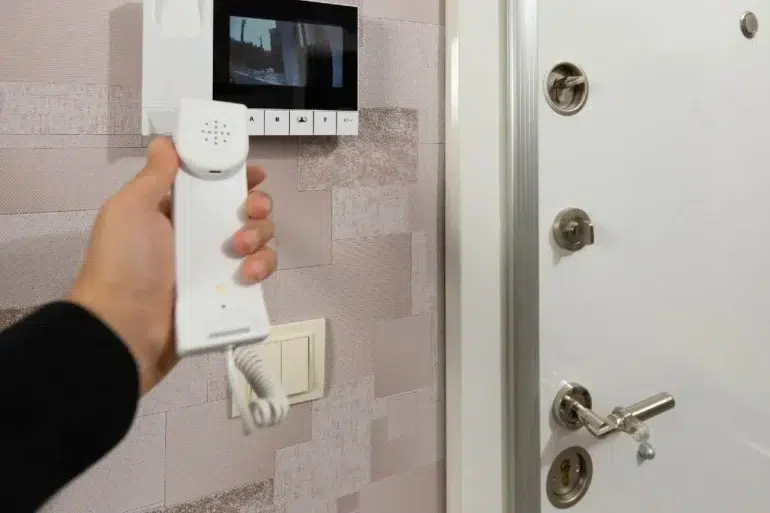
Security has shifted fast. Over the last decade, the humble deadbolt went from standard to outdated almost overnight. Smart, connected systems have stepped in, and honestly? There’s no going back. If you’re still fumbling with a physical key every morning, you may be overlooking some serious vulnerabilities hiding in plain sight.
Here’s a number worth pausing on: according to GlobalGrowthInsights (2025), nearly 68% of newly constructed urban homes now incorporate connected locking systems. Meanwhile, 57% of businesses are actively deploying digital access to tighten workforce security. This isn’t a niche tech trend anymore; it’s become the expected baseline.
Why Digital Door Security Systems Actually Matter
Modern digital door security does a lot more than simply lock a door. Think real-time intelligence, remote management, and layered protection all rolled into something surprisingly manageable. Organizations like HID Global have long provided reliable door access control systems that scale comfortably across offices, hospitals, schools, and beyond.
Better Protection Through Electronic Door Security
The most immediate win? Total control over who gets in. Real-time alerts fire the moment someone attempts unauthorized entry. Multi-factor authentication combining PINs, biometrics, or mobile credentials makes forcing your way through dramatically harder than picking a standard lock.
Then there’s tamper detection. If someone tries to disable or force the lock, the system responds instantly, alerting you, and potentially local authorities or a monitoring service, depending on your setup. That’s not just reactive protection. That’s proactive deterrence.
Keyless Entry Simpler Than It Sounds
Traditional keys have one fatal flaw: they can be copied, lost, or stolen without you ever knowing. Digital locks cut that problem at the root. Access gets granted through PINs, smartphones, keycards, or biometrics, each tied specifically to one person with defined permissions.
Need a plumber to get in while you’re at work? Issue a one-time code. When the job’s done, the code expires automatically. No locksmith call, no key retrieval, no awkward chase-down. Clean and simple.
Remote Access From Anywhere
One of the genuinely underrated smart door lock advantages is managing your entry points from halfway across the world. Through a smartphone app, you can lock or unlock doors, review entry history, and get live notifications without being physically present.
Voice assistant integration, Alexa, Google Home, Siri, makes it even more seamless. Forgot to lock up before your vacation? Handle it from the airport. It’s that straightforward.
How Digital Locks Fit Modern Life
Beyond pure security, these systems actually improve your daily routine. Less friction for everyone: the teenager who constantly forgets their key, the elderly parent who struggles with stiff locks, the small business owner managing a rotating team remotely.
Real Convenience for Households and Business Owners
How many times has someone in your household lost a key this year? How much has a property manager spent on rekeying units between tenants? Those costs add up quietly and persistently.
Scheduled access solves this completely. Contractors, cleaners, and service staff can receive time-limited entry that activates and expires automatically. Nobody needs to coordinate pickups or worry about unreturned copies floating around indefinitely.
Tangible Cost Savings Especially for Property Managers
The financial benefits of digital door locks go well beyond convenience. Fewer locksmith calls, no rekeying costs, stronger tenant satisfaction, the ROI compounds faster than most people expect. Some insurance providers even discount premiums when you document security upgrades properly.
For Airbnb hosts and multi-family managers especially, digital access is a game-changer. Guest codes get issued remotely, revoked instantly, and tracked completely. Liability shrinks. Operational overhead drops.
Innovations Worth Paying Attention To
The technology isn’t standing still either.
AI-Powered Predictive Security
AI-driven systems now analyze entry patterns and flag anomalies before they escalate. Repeated incorrect code attempts at 3 AM? The system can trigger an alert or initiate a lockdown automatically without waiting for you to notice something’s wrong.
Biometric and Contactless Access
Touchless entry through NFC, Bluetooth, or facial recognition has moved from futuristic to mainstream fast. According to a 2024 HID Global report via Security Solutions Media, 39% of organizations now actively use mobile identities. Touchless and mobile access ranked as the top two trends in access control at 48% and 44%, respectively.
False acceptance rates have dropped significantly. These systems are both more secure and more practical than anything key-based ever managed to be.
Eco-Conscious Security Options
Sustainability matters more now, even in security. Solar-powered models and energy-efficient designs are becoming genuinely viable for door access control systems. Longer battery cycles and responsible manufacturing reduce environmental impact without cutting corners on performance.
Choosing the Right System for Your Situation
With so many options competing for your attention, fit matters more than brand prestige.
What to Actually Evaluate Before Buying
Start with your door type, traffic volume, and realistic threat profile. A family home and a multi-tenant office building have fundamentally different needs; getting clear on that upfront prevents both overspending and under-securing.
Think about integration, too. The best digital home security solutions connect with cameras, alarms, and smart lighting rather than operating in isolation. Standalone systems leave gaps.
Installation and Long-Term Support
Don’t skip this part. After-sales support, warranty coverage, and installer experience matter more than most buyers realize. A premium system installed badly creates worse vulnerabilities than the lock it replaced. Ask for references. Verify certifications. Confirm that firmware updates are actively maintained.
Real Use Cases Worth Noting
Homeowners and short-term rental hosts report dramatically simplified guest management. Unique codes per booking, entry tracking, and remote revocation, all without ever meeting guests in person. Fewer lockout calls, lower turnover stress.
Retail and healthcare businesses are installing door access control systems to restrict entry to stock rooms, medication storage, and server closets. Audit trails create accountability. Remote lockdown gives managers immediate response options when incidents unfold.
Institutions, government buildings, and educational campuses deploy systems weaving together card readers, biometric scanners, and centralized dashboards for real-time oversight. At that scale, reliability and consistent management aren’t preferences. They’re requirements.
Honest Answers to Common Questions
Can digital locks be hacked?
Yes, but strong encryption, two-factor authentication, and regular firmware updates dramatically reduce risk. Choosing reputable brands with active security support is your best defense.
What if the battery dies?
Most digital locks include a 9V terminal for emergency power or offline PIN access. Low-battery alerts give a warning well before anything fails.
Worth it for small apartments?
Absolutely. Keyless entry, remote access, and temporary codes deliver genuine daily value even in single-unit settings. The upfront cost is manageable, and fewer locksmith calls pay it back quickly.
Ready to Make the Upgrade?
Whether you’re securing a studio apartment or managing a commercial facility with multiple entry points, the case for upgrading is straightforward. Evaluate your current entry points honestly, identify the features that match your actual usage patterns, and consider getting a professional assessment before committing.
Today’s digital door security systems aren’t simply about locking doors. They’re about having complete, reliable, and verifiable control over who enters your space and when. That kind of clarity? Genuinely hard to put a price on.