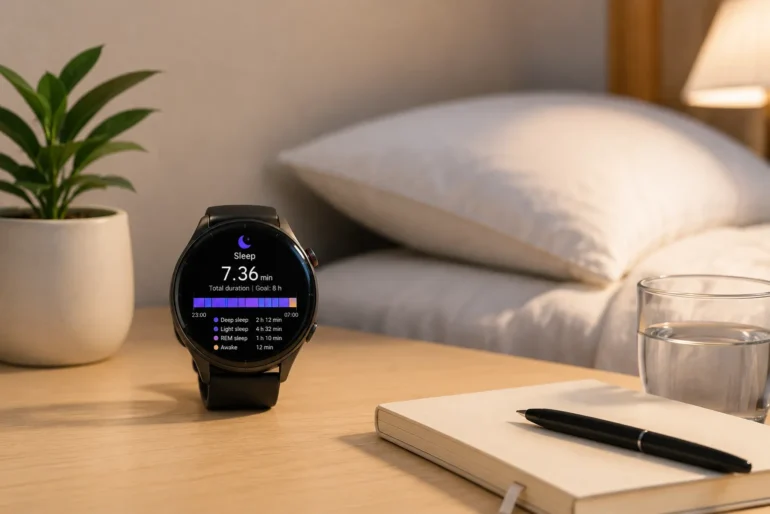
Understanding Sleep Architecture and Stages
Sleep represents the single most important recovery modality available to human beings, yet modern lifestyles consistently compromise sleep quality through artificial lighting, screen exposure, irregular schedules, chronic stress, and environmental factors that disrupt natural rest patterns. Understanding and optimizing sleep has become a priority for health-conscious individuals seeking to maximize daily performance, cognitive function, emotional stability, and long-term wellbeing. Advanced wearable technology now brings clinical-grade sleep analysis to everyday consumers, demystifying this essential biological process and providing actionable guidance for improvement.
Sleep architecture comprises multiple distinct stages, each serving unique physiological functions that cannot be replicated during waking hours. Light sleep stages facilitate memory consolidation and learning integration, while deep sleep triggers growth hormone release and tissue repair essential for physical recovery. Rapid eye movement sleep supports emotional regulation, creative problem solving, and neural pathway optimization. Comprehensive sleep tracking must distinguish between these stages rather than merely measuring total time unconscious, as stage distribution significantly impacts recovery quality and next-day functioning even when total duration appears adequate.
Contemporary sleep analysis algorithms evaluate multiple physiological signals to determine sleep stage classification with increasing accuracy. Heart rate variability patterns, movement intensity, respiratory rates, and skin temperature fluctuations provide complementary data points that improve precision beyond simple accelerometer-based approaches. The resulting sleep stage graphs reveal whether users achieve adequate deep and REM sleep proportions relative to their individual needs, highlighting specific deficiencies that targeted interventions can address. This multi-signal approach creates more reliable assessments than any single measurement could provide alone.
Stability, Environment, and Circadian Alignment
Sleep stability metrics address another crucial dimension often overlooked by basic tracking that focuses exclusively on duration and stages. Frequent awakenings, even those too brief for conscious awareness, fragment sleep architecture and reduce restorative value significantly. Detailed analysis identifies these micro-arousals, correlating them with environmental factors like room temperature fluctuations, noise levels, evening activities, or dietary choices. This granular insight enables targeted interventions that improve sleep continuity through environmental modifications or behavioral adjustments.
The relationship between daytime activities and nighttime recovery has garnered increasing research attention as scientists better understand how choices compound across the wake-sleep cycle. Exercise timing, meal composition, caffeine consumption, alcohol intake, and stress exposure all influence sleep architecture in measurable ways. Wearable devices that track both daytime activities and nighttime recovery help users identify personal sensitivities and optimize their daily schedules accordingly. What improves one individual’s sleep may disrupt another’s, emphasizing the importance of personalized data over generic recommendations that fail to account for biological individuality.
Circadian rhythm alignment significantly impacts sleep quality and daytime alertness, yet modern lifestyles frequently disrupt these ancient biological patterns. Modern wearables track light exposure patterns and activity timing, providing feedback on schedule consistency that promotes stronger circadian entrainment. Regular sleep-wake times, even on weekends and holidays, promote stronger biological clocks and more restorative sleep. Devices that monitor these patterns help users maintain consistency despite travel, shift work, or social obligations that might otherwise disrupt biological clocks and create persistent jet-lag-like states.
Readiness Assessment and Future of Sleep Tech
Body readiness scores synthesize multiple recovery indicators into actionable morning guidance that helps users calibrate daily exertion appropriately. By evaluating recent sleep quality, historical training loads, and current physiological status including heart rate variability and resting heart rate, these metrics recommend appropriate daily exertion levels. Pushing hard when readiness scores indicate inadequate recovery increases injury risk and diminishes training adaptations while prolonging fatigue. Conversely, taking rest days when fully recovered wastes valuable adaptation opportunities. The HUAWEI gt 7 provides these readiness assessments alongside detailed sleep analysis, creating comprehensive recovery management tools that balance ambition with wisdom.
Environmental optimization represents another frontier in sleep technology integration that connects wearables with smart home ecosystems. While wearables cannot directly control bedroom conditions, they can correlate sleep quality with manually logged environmental variables or integrate with smart home systems for automated responses. Temperature adjustments, lighting modifications, sound masking, and air quality improvements can be automated based on detected sleep patterns, creating responsive sleep environments that adapt to individual needs throughout the night.
The psychological benefits of sleep tracking extend beyond physiological optimization into anxiety reduction and perception correction. Many individuals experience anxiety about sleep quality that paradoxically impairs their ability to fall asleep, creating vicious cycles of worry and insomnia. Objective data helps distinguish genuine sleep disorders from perception biases, reassuring those who actually sleep adequately while identifying those requiring intervention. Napping guidance features help users optimize short rest periods for maximum benefit without disrupting nighttime sleep architecture.
As sleep science continues advancing through research and technological innovation, consumer wearables will likely incorporate increasingly sophisticated monitoring capabilities. From detecting sleep apnea events through oxygen and movement patterns to predicting optimal wake times within sleep cycles for minimal grogginess, these technologies promise to make quality sleep more accessible to populations struggling with modern sleep challenges. Given that adequate recovery underlies virtually every aspect of physical health, cognitive performance, and emotional regulation, investments in sleep optimization through wearable technology yield disproportionate returns across all life domains. The future of health optimization begins with better understanding and management of the one-third of life spent in sleep.