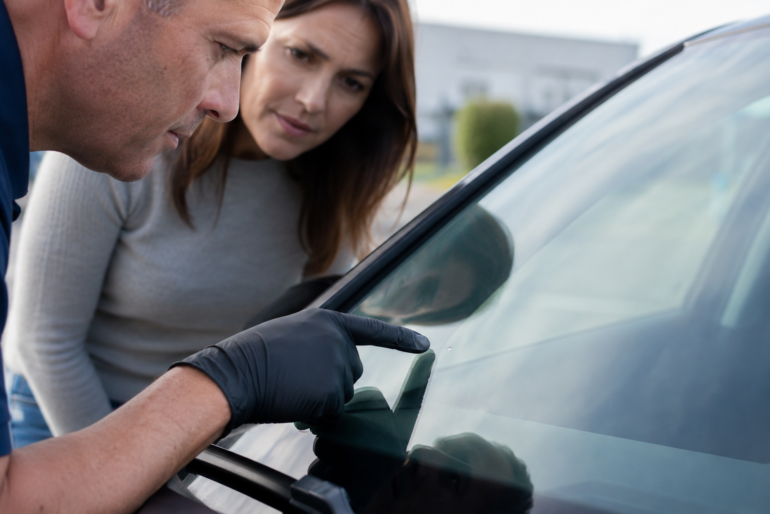
A Repairable Windshield is not just about saving money. It is about knowing when a chip or crack can be fixed safely before it spreads, blocks your view, or forces a full replacement. Many drivers see a small stone chip and instantly fear the worst, but not every mark on auto glass means the windshield is finished.
The real question is simple: is the damage small, shallow, and away from critical visibility or sensor areas?
In many cases, a trained auto glass technician can repair minor windshield damage by cleaning the break, removing trapped air, and filling it with a clear resin. That repair can improve appearance, help stop spreading, and restore strength in the damaged area. But timing matters. A tiny chip today can become a long crack after heat, cold, road vibration, or another hard bump.
What Makes a Windshield Repairable?
A Repairable Windshield usually has damage that is limited in size, depth, and location. The outer glass layer may be chipped or cracked, but the inner layer and structural bond are still in good condition.
Most modern windshields are made from laminated safety glass. That means there are two layers of glass with a plastic interlayer between them. This design helps the glass hold together during impact instead of breaking into loose sharp pieces. The National Highway Traffic Safety Administration has also discussed how minor breaks in laminated windshields can be treated by displacing air within the break, which is the basic idea behind resin-based repair.
Still, not every chip can be repaired. A technician will look at the size of the damage, whether it has spread, how deep it is, and whether it sits directly in the driver’s line of sight.
Common Signs Your Windshield Can Be Saved
A Repairable Windshield often shows a few clear signs. The damage is usually small, fresh, and not placed in a dangerous area.
Here are the most common signs that repair may still be possible:
- The chip is smaller than a dime or quarter, depending on shop standards.
- The crack is short and has not spread across the glass.
- There are only one to three damaged spots.
- The damage is not directly in front of the driver’s main viewing area.
- The chip has not reached the inside layer of glass.
- The windshield is not loose, leaking, or badly pitted.
- The damage does not block cameras, sensors, or safety systems.
Safelite notes that windshield repair is often possible when the damage is under 6 inches, the impact point is smaller than a dime, there are no more than three chips, and the damage does not block a camera or sensor.
That does not mean every shop will follow the exact same rule. Some technicians use different repair limits based on their equipment, state laws, insurance standards, and the type of damage. But as a general starting point, small and isolated damage has the best chance of being repaired.
Repairable Windshield Damage by Type
Not all chips look the same. Some are simple surface marks, while others have hidden cracks spreading under the glass.
Bullseye Chips
A bullseye chip looks like a small round circle with a dark impact point in the center. This is one of the most common types of auto glass damage.
If it is small and clean, it is often repairable. Resin can usually flow into the circular break and make it less visible.
Star Breaks
A star break has small cracks spreading out from the impact point, almost like tiny legs. These can be repaired if the legs are short and the damage has not spread too far.
However, star breaks should be handled quickly. Those little lines can grow when the windshield expands and contracts in changing temperatures.
Half-Moon Chips
A half-moon chip looks like a partial circle. It is similar to a bullseye but not fully rounded.
These chips are often good repair candidates when they are small and not contaminated with dirt, water, or old DIY glue.
Combination Breaks
A combination break includes more than one type of damage, such as a chip with small cracks around it. Repair may still be possible, but it depends on size and location.
This is where an inspection matters. A small combination break near the edge may be more risky than a larger-looking chip in the center of the windshield.
Short Cracks
Short cracks may be repairable if they are not too long and have not reached the windshield edge. Many repair services can handle small cracks, but long cracks are harder to stabilize.
Once a crack grows across the glass, replacement becomes much more likely.
When a Windshield Is Usually Not Repairable
A Repairable Windshield has limits. If the damage affects safety, visibility, or structural strength, repair may not be the right choice.
Replacement is usually the safer option when:
- The crack reaches the edge of the windshield.
- The damage is directly in the driver’s line of sight.
- The inner glass layer is cracked.
- The windshield has several chips and cracks.
- The damaged area is contaminated with dirt or moisture.
- The glass is badly pitted from age and road wear.
- The crack is spreading quickly.
- The damage affects rain sensors, lane cameras, or driver-assist systems.
Damage near the edge is especially important. The edges help support the windshield’s fit in the vehicle frame. A crack in that area can weaken the glass and make spreading more likely.
A repair may also leave a slight mark. If that mark sits right where the driver looks through the glass, it can create glare or distortion. That is why many shops are cautious about repairing damage in the direct viewing zone.
Why Fast Action Makes Repair More Likely
The best time to repair a windshield chip is as soon as you notice it.
Fresh damage is usually easier to clean and fill. Over time, dust, rainwater, car wash chemicals, and even windshield washer fluid can enter the break. Once the damaged area gets dirty, the repair may not bond as clearly or strongly.
Heat also matters. On a hot day, the outer glass can expand. On a cold day, the glass can contract. If you turn on the defroster or park in direct sun, that sudden temperature change can stress the damaged spot.
Road vibration can make things worse too. A small chip may sit quietly for weeks, then suddenly stretch into a long crack after hitting a pothole.
This is why many technicians tell drivers not to wait. A Repairable Windshield can become a replacement job faster than most people expect.
Simple Things to Do Before Repair
Before visiting an auto glass shop, you can protect the damaged area with a few simple steps.
First, keep the chip clean and dry. Do not press on it. Do not scrape it. Do not pour cleaning chemicals over it.
If rain is expected, place clear tape over the chip from the outside. Use only enough tape to cover the damage. This helps keep moisture and dirt out until a technician can inspect it.
Avoid extreme temperature changes. Do not blast hot air directly onto a cold windshield. Do not pour hot water on icy glass. These quick fixes can shock the glass and cause cracks to spread.
Also, avoid slamming the doors. It sounds small, but pressure changes and vibration can stress a damaged windshield.
Repairable Windshield vs Replacement: What Is the Difference?
A windshield repair focuses on saving the existing glass. The technician injects resin into the chip or crack, cures it, and polishes the area.
A replacement removes the damaged windshield and installs a new one. This takes more time, costs more money, and may require camera or sensor recalibration on newer vehicles.
The National Windshield Repair Division says average crack repair is around $99, while average windshield replacement in the United States is around $350. Actual prices can vary by vehicle, location, insurance coverage, and technology features.
Here is a simple comparison:
| Factor | Windshield Repair | Windshield Replacement |
|---|---|---|
| Best for | Small chips and short cracks | Long cracks, edge damage, severe damage |
| Time needed | Often quick | Usually longer |
| Cost | Usually lower | Usually higher |
| Original glass | Stays in place | Removed and replaced |
| Camera recalibration | Usually not needed | May be needed on newer cars |
| Visibility result | Improved, but not always invisible | New clear glass |
Repair is not about making the windshield look brand new every time. It is about restoring function, reducing spreading risk, and improving clarity where possible.
Does Repair Make the Chip Disappear?
This is one of the biggest misunderstandings about windshield repair.
A repair can make damage much less noticeable, but it may not erase it completely. Some chips leave a small scar, haze, or dot after repair. The final look depends on the type of damage, how long it has been there, and whether dirt or moisture entered the break.
A fresh bullseye chip may repair beautifully. An old star break filled with dust may still show visible lines.
That does not always mean the repair failed. The main purpose is to stabilize the damage and keep it from spreading.
What Technicians Look for During Inspection
A good technician does not simply glance at the glass and guess. They inspect the damage closely.
They may check:
- Size of the chip or crack
- Depth of the damage
- Distance from the windshield edge
- Number of damaged areas
- Whether the break is contaminated
- Whether the damage is in the driver’s line of sight
- Whether sensors or cameras are affected
- Whether the windshield has previous repairs
This inspection protects you from a weak repair. It also helps avoid wasting money on glass that should be replaced.
Real-World Example: Small Chip After Highway Driving
Imagine you are driving behind a truck on the highway. A tiny stone hits your windshield and leaves a small round chip.
At first, it looks harmless. You can still see clearly, and the damage is smaller than a coin. This is exactly the type of situation where repair may work well.
But then you wait three weeks. The car sits in hot sun during the day and cools down at night. A little rain gets into the chip. You hit a pothole, and the chip grows into a six-inch crack.
That same windshield may still have been repairable at first. Waiting made the decision more expensive.
This is why early repair is not just about appearance. It is about keeping control of the damage while it is still small.
What About Windshield Sensors and Cameras?
Newer vehicles often have cameras or sensors mounted near the windshield. These may support lane keeping, automatic emergency braking, adaptive cruise features, rain sensing wipers, or driver assistance systems.
If the damage sits near these systems, repair may not be recommended. Even a small repaired mark can affect how a camera reads the road.
Replacement can also become more complex because some vehicles need recalibration after a new windshield is installed. That is one reason drivers should choose a qualified auto glass provider instead of treating windshield work as a simple cosmetic fix.
Is DIY Windshield Repair Worth It?
DIY kits are easy to find, and some can help with very small chips. But they are not the same as professional repair.
A professional has better tools to remove air, inject resin evenly, cure the repair properly, and inspect the glass for hidden cracks. DIY repair can also create problems if the resin is applied incorrectly. Once poor-quality resin dries inside the chip, a professional may have a harder time fixing it later.
DIY may be tempting for a tiny surface chip, but it is risky when the damage is near the driver’s view, close to the edge, or already spreading.
For safety-related glass, a professional opinion is usually worth it.
Insurance and Windshield Repair
Many auto insurance policies treat windshield repair differently from replacement. Some policies cover chip repair with little or no deductible because repair is cheaper than replacement.
Coverage depends on your state, insurer, and policy details. If you have comprehensive coverage, it is worth checking before paying out of pocket.
Ask your insurer:
- Is windshield chip repair covered?
- Is there a deductible?
- Will the claim affect my premium?
- Can I choose my own repair shop?
- Is sensor recalibration covered if replacement is needed?
Even when insurance is involved, you should still understand whether the glass is safe to repair.
Safety Matters More Than Saving Money
A Repairable Windshield should still be a safe windshield. Saving money should never be the only goal.
Your windshield helps protect you from wind, debris, rain, and road hazards. It also supports visibility and may play a role in how the vehicle structure responds during certain crashes. If the glass is badly damaged, weak, or distorted, replacement is the better decision.
Do not push for repair if the technician says the glass is unsafe. A cheap repair on a dangerous windshield is not a win.
How Weather Affects Windshield Damage
Weather can decide how fast a chip gets worse.
Cold weather can make the glass contract. Hot weather can make it expand. Sudden changes, such as using a high-heat defroster on a freezing windshield, can put extra pressure on the damaged area.
Moisture is another issue. Water can enter the break, freeze, expand, and push the crack farther. Dirt and minerals in water can also make the repair less clear.
If you live in an area with extreme heat, snow, hail, or rough roads, do not ignore even small damage.
How to Choose a Good Auto Glass Repair Shop
A proper windshield repair depends on skill, tools, and honesty.
Look for a shop that:
- Inspects the damage before quoting
- Explains why repair or replacement is recommended
- Uses quality resin and curing equipment
- Understands sensor and camera placement
- Gives clear warranty information
- Does not promise impossible results
- Has strong local reviews
Be careful with anyone who guarantees that every chip will vanish completely. That is not how glass repair works. A realistic technician will explain that the repair should improve the damage and help prevent spreading, but a small mark may remain.
Common Mistakes Drivers Make
Many drivers turn a repairable chip into a full replacement without realizing it.
The most common mistakes include:
- Waiting too long to book repair
- Using super glue or random adhesives
- Ignoring edge cracks
- Driving through automatic car washes with fresh damage
- Blasting heat or cold air on the windshield
- Pressing the chip to “test” it
- Assuming small damage is harmless
- Choosing the cheapest repair without checking quality
The biggest mistake is delay. Once the damage spreads, your choices become limited.
Repairable Windshield Checklist
Before you panic about your windshield, ask these questions:
- Is the chip smaller than a coin?
- Is the crack short?
- Is the damage away from the windshield edge?
- Is it outside the driver’s main line of sight?
- Is there only one damaged area?
- Is the inside glass still smooth and unbroken?
- Did the damage happen recently?
- Is it away from cameras and sensors?
If most answers are yes, you may have a Repairable Windshield. A professional inspection can confirm it.
Frequently Asked Questions About Repairable Windshield Damage
How long does windshield repair take?
Many small chip repairs can be completed quickly, sometimes in less than an hour. Timing depends on the shop, the type of damage, and how busy the technician is.
Can a long crack be repaired?
Some specialists repair longer cracks, but many shops recommend replacement once the crack becomes too long, reaches the edge, or affects visibility. Short cracks have a better repair chance.
Will the repair stop the crack forever?
A good repair greatly reduces the chance of spreading, but no repair can promise that glass will never crack again. Strong impacts, poor road conditions, and temperature stress can still affect the windshield.
Can I drive immediately after repair?
Usually, yes. Windshield repair does not require the same adhesive curing time as replacement. Still, follow the technician’s instructions after the service.
Is windshield repair safe?
Yes, when the damage is suitable for repair and the work is done properly. If the damage affects safety or visibility, replacement is better.
Final Thoughts
A Repairable Windshield is good news, but only if you act before the damage gets worse. Small chips and short cracks can often be fixed when they are fresh, clean, and away from critical areas. Once the damage spreads, reaches the edge, or blocks your view, replacement becomes much more likely.
The smart move is simple. Protect the chip, avoid temperature shock, and get it inspected quickly. A professional repair can save money, preserve the original glass, and help keep your vehicle safe on the road.
Windshields are not ordinary glass. They are usually made with laminated glass, a safety design that helps the glass hold together when damaged. Understanding that design makes it easier to see why quick repair matters. A small break may not look serious today, but it can change fast once pressure, heat, moisture, and vibration get involved.
In the end, a Repairable Windshield is all about timing, location, and damage size. If you catch the problem early, your auto glass may still be saved.