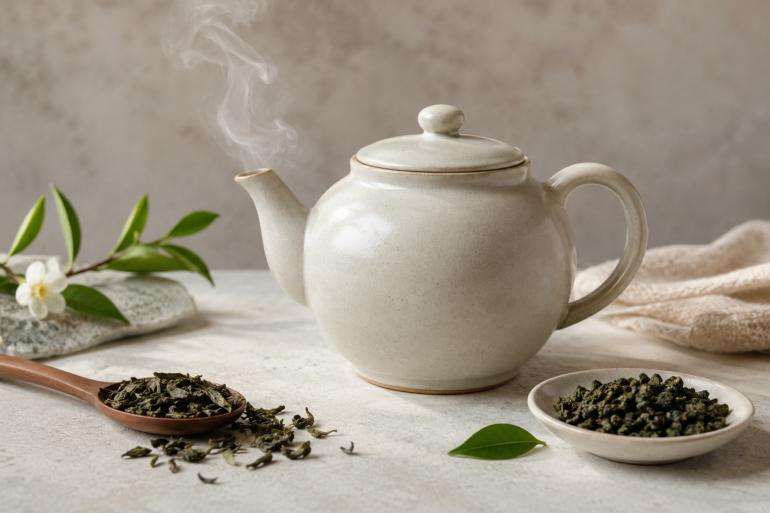
A good cup of tea does not always begin with expensive leaves or a fancy kitchen setup. Sometimes, it starts with One Teapot that feels right in your hands, pours smoothly, keeps tea warm, and makes the whole tea moment feel a little more peaceful.
For many tea lovers, a teapot is more than a container. It becomes part of the daily rhythm. Morning black tea, afternoon green tea, evening herbal tea, or a slow weekend brew with guests, the right teapot can change how tea tastes and how the experience feels.
Tea is still one of the most widely enjoyed drinks in the United States. According to U.S. Census information shared for National Hot Tea Month, Americans consumed almost 85 billion servings of tea in 2021, and more than half of the U.S. population drinks tea on any given day. That says a lot about why choosing the right teapot still matters.
Why One Teapot Can Make Tea Time Better
A teapot looks simple, but it does a lot of quiet work.
It holds heat. It gives tea leaves enough room to open. It controls the pour. It also creates a more relaxed way to serve tea, especially compared with dipping a tea bag quickly in a mug.
When you use One Teapot instead of making every cup separately, the flavor becomes more balanced. The tea steeps together, so each cup has a similar strength. This is helpful when serving guests, but it is also nice when you want a second cup without starting over.
A teapot also slows things down in the best way. Filling it, waiting for the tea to steep, and pouring it into a cup creates a small ritual. In a busy home, that little pause can feel surprisingly refreshing.
What Makes a Good Teapot?
A good teapot is not always the most expensive one. It is the one that fits how you actually drink tea.
Some people need a small teapot for one or two cups. Others want a larger pot for family breakfast or evening gatherings. Some care about heat retention, while others want something beautiful enough to leave on the kitchen counter.
A useful teapot usually has these qualities:
- Comfortable handle
- Smooth, drip-free spout
- Lid that fits securely
- Enough space for tea leaves to expand
- Easy-to-clean interior
- Material that suits your tea style
- Size that matches your daily use
The best teapot is practical first. Beauty matters, of course, but a pretty teapot that spills, burns your hand, or stains badly will not feel enjoyable for long.
Popular One Teapot Styles for Tea Lovers
There are many teapot styles, and each one has its own personality. Some feel classic and cozy. Some look modern and minimal. Others are made for serious tea brewing.
Choosing One Teapot becomes easier when you understand how each style works.
Ceramic Teapot
A ceramic teapot is one of the most common choices for everyday tea drinkers. It feels warm, traditional, and easy to use.
Ceramic holds heat reasonably well, which makes it good for black tea, chai, breakfast tea, and many herbal blends. It also comes in countless colors and shapes, so it can match almost any kitchen style.
The biggest advantage is comfort. Ceramic does not usually feel too industrial or fragile. It has that familiar homey feeling many people associate with tea.
However, ceramic can chip if dropped or knocked against the sink. If you choose ceramic, look for a glazed interior because it is easier to clean and less likely to absorb flavors.
Porcelain Teapot
Porcelain teapots are elegant and often lighter than regular ceramic teapots. They are popular for afternoon tea, formal serving, and delicate tea moments.
Porcelain works well for white tea, green tea, floral tea, and lighter black teas. Since it does not usually absorb flavor, you can use the same pot for different tea types without worrying too much about leftover taste.
A white porcelain teapot also makes it easy to notice stains, which can be helpful if you like keeping your teaware spotless.
The downside is fragility. Porcelain can be more delicate, so it may not be the best choice for a busy family kitchen where items are handled quickly.
Glass Teapot
A glass teapot gives you something ceramic and porcelain cannot: a clear view of the brewing process.
You can watch tea leaves open, flowers bloom, fruit pieces float, and the color deepen. This makes glass teapots especially popular for blooming tea, green tea, herbal infusions, and fruit blends.
If you enjoy the visual side of tea, glass is a lovely choice. It looks clean, modern, and light.
The main weakness is heat retention. Glass usually loses heat faster than heavier materials. Some glass teapots are made from borosilicate glass, which is designed to handle temperature changes better, but it still needs careful handling.
Cast Iron Teapot
A cast iron teapot feels strong, traditional, and serious. It is heavier than most other styles and can hold heat well.
Many people love cast iron teapots for their bold appearance and long-lasting feel. They are often used for black tea, roasted tea, and strong herbal blends.
However, not every cast iron teapot is meant for boiling water on a stove. Many are designed only for steeping tea after hot water has already been added. Always check the manufacturer’s instructions before using it with direct heat.
Cast iron also needs proper drying. If the inside is not enamel-coated or if the coating gets damaged, rust can become a problem.
Stainless Steel Teapot
A stainless steel teapot is practical, durable, and easy to clean. It works well for busy homes, offices, and anyone who wants something low-maintenance.
It is less fragile than ceramic or glass. It also has a modern look, especially in kitchens with metal appliances.
The downside is that metal can sometimes affect the feel of the tea experience. Some tea lovers feel stainless steel lacks the warmth and charm of ceramic or porcelain. Still, for durability and convenience, it is hard to ignore.
Clay Teapot
Clay teapots are loved by serious tea drinkers, especially those who enjoy traditional brewing methods.
Unglazed clay can absorb tiny amounts of tea oils over time. Because of that, many tea enthusiasts dedicate one clay teapot to one tea type, such as oolong, pu-erh, or a specific black tea.
This style is not ideal for people who switch between many flavored teas. A strong mint or spiced tea may leave behind flavor that affects future brews.
But for someone who enjoys one favorite tea often, a clay teapot can become more personal with age.
Choosing One Teapot by Tea Type
Different teas behave differently. Some need high heat. Some need cooler water. Some release flavor quickly, while others need more room to unfold.
That is why the best teapot depends partly on what you drink most.
| Tea Type | Best Teapot Material | Why It Works |
|---|---|---|
| Black tea | Ceramic, cast iron, stainless steel | Holds heat well for stronger brewing |
| Green tea | Glass, porcelain | Better for lighter, delicate flavors |
| White tea | Porcelain, glass | Keeps taste clean and gentle |
| Herbal tea | Ceramic, glass | Handles flowers, fruits, and herbs well |
| Oolong tea | Clay, porcelain | Good for repeated steeping |
| Chai | Ceramic, stainless steel | Works well with strong spices |
| Blooming tea | Glass | Shows the visual opening of the tea flower |
If you drink many kinds of tea, porcelain or glazed ceramic is a safe choice. If you mostly drink one type, you can choose a more specialized teapot.
Best Uses for One Teapot at Home
A teapot is useful in more ways than people often realize.
Of course, the main use is brewing loose-leaf tea or tea bags. But once you have One Teapot you enjoy, it can become part of different moments throughout the day.
You can use it for a quiet morning cup before work. You can bring it to the table during breakfast. You can serve guests without running back and forth to the kettle. You can also prepare caffeine-free herbal tea in the evening as part of a relaxing routine.
A teapot is also helpful when someone is sick. Warm tea with lemon, ginger, or honey feels more comforting when served gently from a pot instead of rushed in a mug.
For families, a larger teapot can become part of conversation time. For people living alone, a smaller teapot can make one cup feel more intentional and less lonely.
One Teapot for Small Kitchens
If your kitchen is small, you may not want several pieces of teaware taking up cabinet space. In that case, One Teapot should be versatile.
A 24 to 32-ounce teapot is usually a good middle ground. It can make about two to four cups depending on cup size. That is enough for personal use and still useful when one or two guests visit.
For small kitchens, choose a teapot with a simple shape. Round, compact styles are easier to store. Avoid oversized decorative handles or unusual shapes if space is limited.
A built-in infuser can also save space because you will not need a separate strainer.
One Teapot for Guests and Family Serving
If you often serve tea to others, size matters more.
A small teapot may look cute, but it can become annoying when you need to refill it again and again. For guests, a 40 to 50-ounce teapot is usually more practical.
Look for a comfortable handle and a spout that pours cleanly. When serving guests, dripping tea across the table can quickly make the setup feel messy.
A ceramic or porcelain teapot works well for hosting because it looks welcoming and keeps the tea experience warm. If you enjoy formal tea settings, porcelain may feel more polished. If your home style is casual and cozy, ceramic may fit better.
Buying Tips Before You Choose One Teapot
Buying a teapot is easy. Buying the right one takes a little more thought.
Before you order or pick one from a store shelf, think about your real habits. Not your ideal tea routine, but the way you actually make tea.
Do you drink one cup quickly before work? Do you sit down for long evening tea? Do you use tea bags or loose leaves? Do you care about dishwasher-safe materials? Do you have children in the house who may handle kitchen items roughly?
These questions matter because the wrong teapot becomes decoration, while the right one becomes part of daily life.
Check the Capacity
Capacity is one of the first things to check.
A teapot may look medium-sized in photos but hold less than expected. Always look for ounces, milliliters, or cup capacity.
General size ideas:
- 12 to 18 ounces: best for one person
- 24 to 32 ounces: good for two people or personal refills
- 40 to 50 ounces: better for family or guests
- 60 ounces and above: useful for larger gatherings
Remember that “cups” can be misleading. Some brands mean small tea cups, not large American mugs.
Look at the Spout Design
The spout can make or break the teapot.
A good spout pours smoothly without dripping. It should feel balanced and controlled. Long, narrow spouts often pour more precisely, while short spouts may pour quickly but can drip more easily.
If you are buying online, read customer reviews carefully. People often mention whether a teapot drips.
Choose a Comfortable Handle
The handle should feel secure, especially when the teapot is full.
Some handles look stylish but are awkward to grip. Others get too hot. If you drink tea daily, comfort matters more than appearance.
For larger teapots, a wide handle with enough finger space is helpful. For cast iron or stainless steel, check whether the handle is heat-resistant.
Decide If You Need an Infuser
Many modern teapots come with a removable infuser basket.
This is useful if you drink loose-leaf tea. You can add the leaves, steep, remove the basket, and stop the tea from becoming bitter.
If the infuser is too small, though, leaves may not expand properly. A roomy infuser is better than a tiny one.
If you mostly use tea bags, you may not need an infuser at all.
Think About Cleaning
A beautiful teapot loses its charm if it is hard to clean.
Wide openings make cleaning easier. Removable lids and infusers are also helpful. Glass and glazed ceramic are usually simple to rinse, while unglazed clay needs more careful handling.
Avoid teapots with tiny decorative corners inside if you plan to use them often. Tea stains can build up in hard-to-reach areas.
Real-World Example: Choosing for Daily Tea
Imagine someone who drinks black tea every morning and herbal tea at night. They live in a small apartment and usually make tea for one or two people.
For that person, a medium glazed ceramic teapot with a removable infuser would be a smart choice. It holds heat better than glass, works with different tea types, and is not too large for storage.
Now imagine someone who loves blooming tea and fruit infusions. They enjoy serving tea when friends visit. For them, a glass teapot makes more sense because the visual effect is part of the experience.
A third person may drink oolong almost every evening and enjoy multiple short steeps. That person may prefer a small clay or porcelain teapot.
This is why One Teapot is not the same answer for every tea lover. The best choice depends on routine, taste, and space.
How Teapot Material Affects Tea Flavor
Most casual tea drinkers do not think much about material, but it can affect the brewing experience.
Glazed ceramic and porcelain are neutral. They do not hold onto flavors strongly, so they are good for switching between tea types.
Glass is also neutral and clean-tasting. It is great when you want to see the tea color clearly.
Unglazed clay is different. It can slowly absorb tea aroma and oils. This may improve the experience for one type of tea, but it can create flavor mixing if you use many different teas.
Metal teapots are durable, but some people feel they make tea feel less soft or traditional. This depends on the quality of the teapot and personal taste.
Harvard’s Nutrition Source notes that tea contains polyphenols, including flavonoids, which act as antioxidants in the body. While the teapot does not create these compounds, proper brewing helps you enjoy the tea’s natural flavor without over-steeping or cooling it too quickly.
Common Mistakes People Make When Buying a Teapot
Many people choose a teapot only because it looks nice in a photo. That is understandable, but it can lead to disappointment.
One common mistake is buying a teapot that is too small. It may look charming, but if it barely fills one mug, you may stop using it.
Another mistake is ignoring the lid. A loose lid can fall while pouring. A tight lid can be difficult to remove. The best lid sits securely but is still easy to handle.
Some people also forget about weight. A cast iron teapot may look beautiful, but when filled with hot water, it can feel heavy.
Then there is the issue of cleaning. A narrow opening, fixed infuser, or complicated shape can make daily use frustrating.
Before buying, ask yourself: would I still enjoy using this when I am tired, busy, or making tea quickly? If yes, it may be the right choice.
How to Care for One Teapot Properly
Good care keeps a teapot looking better and lasting longer.
For ceramic, porcelain, and glass teapots, rinse soon after use. Tea stains become harder to remove if they sit too long. A soft sponge is usually enough.
Avoid harsh scrubbing on decorative finishes. If stains appear, warm water with baking soda can help, but always check care instructions first.
For cast iron, dry it fully after rinsing. Do not leave water sitting inside. If it has enamel lining, avoid scraping it with metal spoons or rough pads.
For clay teapots, avoid soap unless the maker says it is safe. Unglazed clay can absorb soap smell. Many tea lovers rinse clay with hot water only and let it air dry completely.
A teapot does not need complicated care. It just needs consistent care.
Should You Buy One Teapot or a Full Tea Set?
A full tea set looks beautiful, but it is not necessary for everyone.
If you are just starting, One Teapot is enough. You can pair it with mugs or cups you already own. Over time, you may add matching cups, a tray, a tea cozy, or a sugar bowl if you enjoy the ritual.
A single teapot also gives you more freedom. You can invest in better quality instead of buying a large set where some pieces may never be used.
For most homes, it is smarter to buy one excellent teapot than a cheap full set that looks nice but performs poorly.
Best Design Ideas for a Cozy Tea Corner
A teapot can become the center of a small tea corner at home.
You do not need much space. A tray, a jar of tea leaves, a favorite mug, and a small spoon can create a warm setup on a counter or shelf.
For a modern look, choose a glass or matte ceramic teapot. For a farmhouse-style kitchen, a cream, blue, or floral ceramic pot works well. For a minimalist space, white porcelain or stainless steel fits nicely.
You can also keep a small selection of teas nearby: one black tea, one green tea, one herbal tea, and one special blend for weekends.
The point is not to make it fancy. The point is to make tea easy to enjoy.
Is One Teapot Worth It for Tea Bags?
Yes, a teapot is still useful even if you use tea bags.
Many people think teapots are only for loose-leaf tea, but that is not true. A teapot helps tea bags steep evenly, especially when making more than one cup.
It also makes serving easier. Instead of putting separate tea bags in each mug, you can brew a stronger, more balanced pot and pour as needed.
Just remember to remove the tea bags after the right steeping time. Leaving them too long can make the tea bitter, especially black tea.
Loose-Leaf Tea vs Tea Bags in a Teapot
Loose-leaf tea usually gives better aroma and depth because the leaves have more room to open. That is one reason many tea lovers eventually move toward loose leaves.
Tea bags are convenient and quick. They are easy to store and less messy.
If you want the best of both worlds, choose a teapot with a removable infuser. You can use loose leaves when you have time and tea bags when you want speed.
There is no need to make tea complicated. A teapot should support your routine, not turn it into a chore.
Frequently Asked Questions About One Teapot
What size teapot is best for daily use?
For most people, a 24 to 32-ounce teapot is best for daily use. It is large enough for two or three smaller cups but still compact enough for easy storage.
Which teapot material keeps tea hot the longest?
Cast iron and heavier ceramic teapots usually keep tea hot longer than glass or thin porcelain. A tea cozy can also help keep brewed tea warm.
Can I use the same teapot for all teas?
Yes, if it is glazed ceramic, porcelain, glass, or stainless steel. If it is unglazed clay, it is better to use it for one tea type because it can absorb flavors.
Is a glass teapot safe for hot water?
Many glass teapots are made from heat-resistant borosilicate glass, but you should always check the product instructions. Avoid sudden temperature shocks unless the teapot is designed for them.
What is the easiest teapot to clean?
Glass, porcelain, and glazed ceramic teapots with wide openings are usually easiest to clean. Removable infusers also make cleaning simpler.
Final Buying Checklist
Before choosing One Teapot, use this simple checklist:
- Does it hold enough tea for your usual serving size?
- Is the handle comfortable?
- Does the spout look drip-resistant?
- Is the lid secure?
- Is the material right for your favorite tea?
- Is it easy to clean?
- Does it fit your kitchen space?
- Will you actually enjoy using it every day?
If the answer is yes to most of these, you are probably looking at a good choice.
Conclusion
Choosing One Teapot may seem like a small decision, but it can make daily tea feel warmer, easier, and more enjoyable. The right teapot helps control flavor, improves serving, and adds a quiet sense of ritual to an ordinary moment.
For most tea lovers, a glazed ceramic or porcelain teapot is the safest all-around option. Glass is beautiful for visual teas, cast iron is strong and heat-friendly, stainless steel is practical, and clay is perfect for people who enjoy a focused tea tradition.
Tea has a long place in home life, and the teapot has been part of that story for centuries. Its shape, purpose, and cultural role have changed over time, but the heart of it remains simple: hot water, tea leaves, and a shared pause. You can read more about its background through this helpful teapot history.
In the end, One Teapot should not just look good on a shelf. It should feel good to use, match your tea habits, and make every cup a little more satisfying.