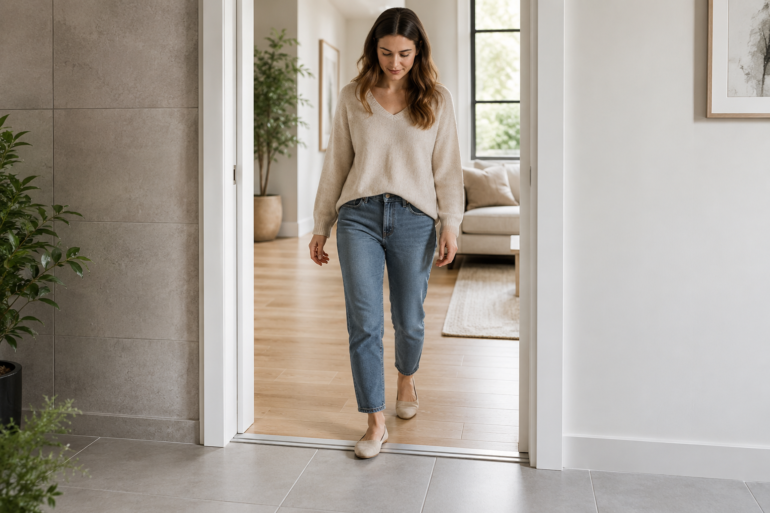
A Bar Threshold may look like a small finishing piece, but it can make a big difference in how safe, clean, and complete a doorway feels. If you have ever stepped between two rooms and noticed a raised strip, a metal trim, or a neat divider between flooring types, you have already seen how this simple detail works.
In many homes, the doorway is where problems show up first. Carpet meets tile. Wood flooring meets vinyl. A bathroom floor sits slightly higher than a hallway. An exterior door needs better sealing. That is where the right threshold bar can help.
It does more than cover a gap. It protects floor edges, reduces tripping risks, improves movement between rooms, and gives the whole space a more polished look.
What Is a Bar Threshold?
A Bar Threshold is a narrow strip installed at the bottom of a doorway or between two flooring surfaces. It is commonly used to create a smooth transition where one floor material meets another.
You might see it between:
- A hallway and bedroom
- A kitchen and dining area
- A bathroom and corridor
- An exterior door and interior floor
- Carpet and laminate
- Tile and vinyl
- Wood flooring and stone
Some people call it a threshold strip, door bar, transition strip, floor trim, or doorway threshold. The exact name can change depending on the material, shape, and where it is installed.
The main purpose stays the same: it helps bridge the gap between two surfaces and makes the doorway safer, neater, and longer lasting.
Why a Bar Threshold Matters More Than People Think
Most homeowners notice flooring, wall paint, lighting, and furniture first. Doorway trims are easy to ignore until something feels wrong.
Maybe the carpet edge starts fraying. Maybe someone catches their toe on a raised floor edge. Maybe the gap under the door lets in cold air, dust, or insects. A well-chosen Bar Threshold can solve these small daily annoyances before they turn into bigger repair problems.
The Centers for Disease Control and Prevention notes that more than one in four older adults falls each year, and one fall can increase the chance of falling again. That makes small home details, including uneven transitions and loose flooring edges, worth taking seriously.
A threshold bar is not the only safety solution, of course. But in a doorway with uneven flooring, loose carpet, or exposed edges, it can be one of the simplest improvements.
Bar Threshold Ideas for Safer Doorways
A safer doorway does not always need a major renovation. Sometimes, it only needs the right profile, height, material, and finish.
Here are practical ideas that work in real homes.
Choose a Low-Profile Threshold for Busy Walkways
For hallways, bedrooms, living rooms, and other busy areas, a low-profile Bar Threshold is usually the safest choice.
A low-profile design sits close to the floor and reduces the chance of someone catching a shoe, slipper, walker, or vacuum cleaner on the edge. It also looks cleaner because it does not create a bulky bump in the doorway.
This is especially helpful in homes with:
- Children running through rooms
- Older adults
- Pets
- Wheelchairs or walkers
- Robot vacuums
- High daily foot traffic
A simple aluminum or vinyl low-rise strip can work well when the height difference between floors is minor.
Use a Beveled Edge for Uneven Floors
Not every room sits perfectly level. Older houses often have small height changes between rooms, especially after new flooring has been added over old flooring.
A beveled Bar Threshold slopes gently from one surface to the other. This makes the transition feel smoother underfoot and reduces the sharp edge that can become a tripping point.
The U.S. Access Board’s ADA guidance says thresholds in new construction are generally limited to 1/2 inch, and edges above 1/4 inch should be beveled. Existing or altered thresholds may allow different limits when properly beveled. These accessibility rules are mainly for compliant spaces, but they are also useful reference points for safer residential design.
For a home, the takeaway is simple: avoid tall, abrupt edges when you can. A gentle slope is usually better than a sharp rise.
Pick Non-Slip Finishes Near Bathrooms and Entry Doors
Bathrooms, laundry rooms, mudrooms, and exterior doors often deal with moisture. A shiny, smooth threshold may look nice, but it can become slippery when wet.
For these spaces, consider a Bar Threshold with a textured surface, rubber insert, brushed finish, or anti-slip grip. This is especially useful where people step in with wet shoes or bare feet.
Good places for non-slip threshold bars include:
- Bathroom doorways
- Patio doors
- Back doors
- Laundry room entrances
- Garage-to-house doors
- Basement entries
- Poolside access doors
A small strip with better traction can make a doorway feel much more secure.
Match the Threshold to the Main Flooring Height
One common mistake is choosing a threshold bar only by color. The better approach is to check the floor heights first.
For example, carpet is usually thicker than laminate. Tile may sit higher than vinyl. Hardwood can be thicker than engineered flooring. If the threshold does not match the height difference, it may rock, leave a gap, or create a raised lip.
Before buying, measure:
- The height of both flooring surfaces
- The width of the doorway
- The size of the gap
- The amount of door clearance
- Whether the door swings over the threshold
A good Bar Threshold should feel natural when you walk over it. It should not wobble, scrape the door, or create a sudden bump.
Best Bar Threshold Materials for Homes
The material you choose affects safety, durability, appearance, and maintenance. There is no single best option for every doorway.
The right choice depends on your flooring type, room use, and budget.
Aluminum Bar Threshold
Aluminum is one of the most common choices for doorways and floor transitions. It is lightweight, strong, affordable, and available in several finishes.
It works well for:
- Laminate to tile
- Vinyl to carpet
- Entryways
- Rental properties
- Modern interiors
- High-traffic areas
Aluminum does not rust easily, which makes it useful near doors that may get some moisture. It is also available in silver, bronze, black, gold, and brushed finishes.
The only downside is that cheaper aluminum trims can dent or scratch over time. For busy homes, a thicker profile is usually worth choosing.
Wood Bar Threshold
A wood Bar Threshold gives a warmer and more traditional look. It works especially well with hardwood floors, classic interiors, and rooms where you want the transition to feel built-in.
Wood threshold bars are often used between:
- Hardwood and tile
- Hardwood and carpet
- Bedroom and hallway
- Living room and dining room
The best part is that wood can be stained or painted to match the flooring. The downside is that it needs more care than metal or vinyl. It can swell in damp areas, so it is not always the best choice for bathrooms or exterior doors unless properly sealed.
Vinyl and PVC Threshold Bars
Vinyl and PVC threshold strips are practical, affordable, and moisture-resistant. They are often used in bathrooms, kitchens, laundry rooms, and rental homes.
They are softer than metal, which can make them comfortable underfoot. They also come in many colors and patterns, including wood-look finishes.
A vinyl Bar Threshold is a good option when you want something budget-friendly and easy to clean. However, it may not last as long in heavy foot traffic compared to metal or hardwood.
Rubber Threshold Strips
Rubber is a smart option where grip, flexibility, and comfort matter. It works well in utility spaces, ramps, commercial-style entries, and areas where water may be tracked inside.
Rubber threshold bars are useful for:
- Garage entrances
- Workshops
- Laundry rooms
- Mudrooms
- Accessible doorways
- Pet-friendly homes
Rubber can also help reduce noise and soften the feel of a doorway transition. The tradeoff is appearance. It usually looks more practical than decorative.
Brass or Bronze Threshold Bars
For a more premium look, brass and bronze can add character. These materials are often used in older homes, luxury interiors, boutique shops, and traditional entryways.
A brass Bar Threshold can pair beautifully with dark wood floors, stone tile, or vintage-style doors. It also develops a natural patina over time, which some homeowners love.
The main drawback is cost. Brass and bronze are usually more expensive than aluminum or vinyl.
Bar Threshold Ideas by Room
Every doorway has a different job. A bathroom threshold needs to handle moisture. A front door threshold needs sealing and durability. A bedroom threshold may only need a clean visual transition.
Here is how to think about each space.
Bar Threshold for Bathroom Doorways
Bathroom transitions need extra care because water can move from tile into nearby flooring. If the hallway has wood, laminate, or carpet, the threshold should protect the floor edge.
For bathrooms, consider:
- Marble or stone-look threshold for a clean finish
- Aluminum strip with textured grip
- Vinyl threshold for moisture resistance
- Slightly raised threshold to help control water movement
- Sealed edges to protect nearby flooring
A Bar Threshold at a bathroom doorway should not be too tall. It should help separate wet and dry zones without becoming uncomfortable or unsafe.
If children or older adults use the bathroom often, a low beveled profile is better than a sharp raised edge.
Real-World Example: Bathroom Tile Meets Hallway Laminate
Imagine a bathroom with ceramic tile and a hallway with laminate flooring. The tile sits slightly higher than the laminate. Without a threshold bar, the laminate edge may chip, and the height difference may feel awkward.
A beveled aluminum threshold in a brushed finish can solve both problems. It covers the exposed laminate edge, softens the step-down, and gives the doorway a finished look.
That is the kind of small upgrade that quietly improves daily use.
Bar Threshold for Front Doors
The front door needs more than a pretty trim. It must handle foot traffic, weather, dirt, and temperature changes.
A front-door Bar Threshold should help with:
- Draft reduction
- Water resistance
- Insect control
- Door sealing
- Edge protection
- Foot traffic durability
For exterior doors, metal thresholds with weather seals are common. Some include rubber gaskets or adjustable inserts that help close gaps under the door.
If you feel cold air coming from the bottom of the door, the threshold may be worn, loose, or poorly fitted. Replacing it can make the entry feel more comfortable.
Bar Threshold for Carpet to Tile
Carpet-to-tile transitions are common in bedrooms, bathrooms, basements, and hallways. This is also where poor finishing becomes obvious.
Carpet can fray when it is not secured properly. Tile edges can chip. A threshold bar holds the carpet edge down and creates a clean break between soft and hard flooring.
Good options include:
- Z-bar transition for carpet edges
- Aluminum trim with hidden fixings
- Wood threshold for a warmer look
- Low-profile reducer strip for height differences
The key is to keep the carpet tight and flat. Loose flooring edges are not just unattractive. Research published through CDC resources found that falls involving rugs and carpets often happened at transitions between carpet or rug surfaces and non-carpet surfaces.
A properly installed threshold bar helps reduce that messy transition zone.
Bar Threshold for Wood to Tile
Wood and tile can look beautiful together, but they behave differently. Wood expands and contracts with humidity. Tile is more rigid. That means the transition needs a little planning.
A Bar Threshold between wood and tile should allow a clean joint while protecting both edges.
Popular choices include:
- Wood threshold stained to match the floor
- Slim metal trim for a modern look
- T-molding when floors are close in height
- Reducer strip when one surface is higher
If the doorway is wide, make sure the threshold is secured evenly across its full length. A loose middle section can flex, creak, or eventually lift.
Bar Threshold for Vinyl Flooring
Vinyl flooring is popular because it is water-resistant, affordable, and easy to maintain. But vinyl edges can still peel or lift if they are not finished properly.
A vinyl-to-vinyl or vinyl-to-tile transition can often use a simple low-profile strip. For luxury vinyl plank, many manufacturers offer matching transition pieces.
When choosing a Bar Threshold for vinyl flooring, look for:
- Low height
- Moisture resistance
- Matching color or finish
- Smooth beveled edges
- Secure fastening method
Avoid thick trims that overpower the slim look of vinyl plank. A clean, simple profile usually looks best.
Bar Threshold Styles That Improve Floor Finishing
A threshold bar should feel intentional. It should not look like a random strip added after the floor was finished.
Here are style ideas that can improve the final look.
Match Metal Finishes with Door Hardware
If your door handles, hinges, and cabinet pulls are matte black, brushed nickel, brass, or bronze, choose a threshold finish that works with them.
This creates visual consistency. It also makes the doorway feel designed instead of patched.
For example:
- Matte black threshold with black handles
- Brass threshold with warm wood floors
- Brushed nickel threshold with gray tile
- Bronze threshold with rustic interiors
A Bar Threshold may be small, but when the finish matches nearby hardware, the whole space feels more pulled together.
Use Wood for Warm, Traditional Interiors
Wood threshold bars work well in homes with natural textures, classic doors, and warm flooring tones.
They are especially attractive in:
- Farmhouse-style homes
- Craftsman interiors
- Traditional bedrooms
- Older houses with original trim
- Hallways with hardwood floors
A stained wood threshold can make the transition feel natural rather than industrial.
Choose Slim Profiles for Modern Homes
Modern interiors usually look better with slim, clean lines. A bulky threshold can interrupt the flooring and make the doorway feel dated.
For modern spaces, look for:
- Flat aluminum trims
- Minimal T-bars
- Hidden screw designs
- Matte black or brushed silver finishes
- Narrow transition strips
A slim Bar Threshold helps the flooring remain the main feature.
Use Stone Thresholds for Bathrooms and Luxury Spaces
Stone thresholds are common in bathrooms because they handle moisture well and look elegant. Marble, granite, quartz, and engineered stone can all work.
A white marble threshold between bathroom tile and hallway flooring can create a clean hotel-style finish. A dark stone threshold can add contrast and make the doorway feel more premium.
Stone is heavier and usually more expensive, but it can last for years when installed correctly.
How to Choose the Right Bar Threshold
Choosing the right threshold bar is easier when you think about function first and style second.
Here is a simple decision table.
| Situation | Best Threshold Type | Why It Works |
|---|---|---|
| Same-height floors | T-molding or flat bar | Creates a neat visual break |
| Uneven floor heights | Reducer threshold | Softens the height change |
| Bathroom doorway | Stone, vinyl, or textured metal | Handles moisture better |
| Carpet to hard floor | Carpet trim or Z-bar | Secures carpet edge |
| Exterior door | Metal threshold with seal | Helps block drafts and water |
| Modern interior | Slim aluminum bar | Clean and minimal look |
| Traditional home | Wood threshold | Warmer and more classic |
This table gives a quick starting point, but you should still measure your doorway before buying.
Measuring Before You Buy
A threshold bar that is almost right can still cause problems. Measuring properly saves time and avoids poor fitting.
Measure the doorway width from one side of the frame to the other. Then measure the gap between the two flooring surfaces. After that, check the height difference.
Also open and close the door. Make sure the door has enough clearance to pass over the threshold without scraping.
Before choosing a Bar Threshold, check:
- Doorway width
- Gap width
- Height difference
- Door swing
- Floor material
- Moisture exposure
- Foot traffic level
If the threshold will sit under a door, do not ignore door clearance. Even a few extra millimeters can cause rubbing.
Common Installation Mistakes to Avoid
A threshold bar is simple, but small mistakes can make it unsafe or unattractive.
Installing It Too High
A tall threshold can create a trip hazard. This is especially risky in busy hallways, bathrooms, and homes with older adults.
When possible, choose the lowest profile that still covers the gap and protects the floor edge.
Leaving Sharp Edges
Cut metal or wood can leave sharp corners. Always smooth the ends and make sure they sit neatly against the door frame.
Sharp edges can catch socks, scratch feet, or damage flooring.
Using the Wrong Fixing Method
Some threshold bars are screwed down. Others use adhesive, clips, or track systems. Using the wrong method can cause the strip to loosen.
For high-traffic areas, mechanical fixing is often stronger than adhesive alone.
Forgetting Moisture Protection
Bathrooms and exterior doors need moisture-resistant materials and sealed edges. If water gets under wood or laminate flooring, the repair can become expensive.
A Bar Threshold near moisture should not just look good. It should help protect the floor.
Choosing Color Before Function
A beautiful finish does not matter if the threshold is too high, too narrow, or too slippery.
Choose the correct shape and size first. Then pick the color.
Safety Tips for Families, Seniors, and Pets
A doorway should be easy to cross without thinking about it. That is especially important in homes with children, seniors, pets, or anyone with mobility challenges.
Here are practical safety tips:
- Keep thresholds as low as possible
- Use beveled edges where floor levels change
- Avoid glossy slippery finishes near wet areas
- Secure carpet edges tightly
- Replace cracked or loose trims quickly
- Keep doorway lighting bright
- Avoid placing loose rugs directly over thresholds
The ADA National Network also notes that accessible door thresholds generally cannot be higher than 1/2 inch, with limited allowances for existing doors when beveled properly. While private homes may not always need to follow ADA rules, the principles are helpful for safer doorway planning.
If a doorway feels awkward for someone with limited mobility, it is worth fixing. Small changes often make a big difference.
Bar Threshold Maintenance Tips
A good threshold bar should last, but it still needs occasional care.
Check it every few months, especially in busy areas. Look for loose screws, lifted edges, cracked adhesive, water damage, or worn grip surfaces.
For metal thresholds, wipe with a damp cloth and mild cleaner. Avoid harsh abrasives that can scratch the finish.
For wood thresholds, keep them dry and reseal them when needed. If the finish wears off, moisture can enter the wood.
For rubber or vinyl thresholds, clean dirt from grooves so the surface keeps its grip.
A Bar Threshold that is loose, cracked, or uneven should be repaired quickly. Once it starts moving, it can damage nearby flooring or become unsafe.
Cost Considerations
Threshold bars are usually affordable compared with flooring repairs. Basic vinyl or aluminum strips can cost very little, while custom wood, brass, or stone options cost more.
The final price depends on:
- Material
- Width and length
- Finish quality
- Installation method
- Whether old trim must be removed
- Whether the floor needs leveling
For a simple interior doorway, many homeowners can install a basic threshold themselves. For exterior doors, stone thresholds, or major height differences, professional installation may be smarter.
The cost is often worth it because it protects the floor edges and improves safety at the same time.
When Should You Replace an Old Threshold Bar?
You should replace a threshold bar when it no longer sits flat, no longer protects the floor, or creates a walking hazard.
Common signs include:
- Loose screws
- Cracked metal or wood
- Lifted edges
- Rust or corrosion
- Water stains
- Door scraping
- Carpet fraying near the doorway
- A visible gap under the door
- A sharp or uneven walking surface
Do not wait until the floor edge is damaged. Once carpet frays, laminate chips, or moisture enters flooring, the repair can become more expensive.
Practical Bar Threshold Ideas for Better Design
A functional threshold does not have to look boring. You can use it as a small design detail.
For a cozy home, choose wood that matches the floor trim. For a modern apartment, use black or brushed metal. For a bathroom, use stone that matches the vanity top or tile pattern.
In open-plan spaces, a threshold can also create a subtle boundary. For example, it can separate kitchen tile from living room wood without adding a wall or bulky divider.
A Bar Threshold can also help when two rooms have different styles. It gives the eye a clean stopping point, making the change feel intentional.
Frequently Asked Questions
What is the purpose of a Bar Threshold?
A Bar Threshold covers the gap between two flooring surfaces or sits at the base of a doorway. It helps protect floor edges, improve safety, reduce drafts, and create a cleaner finished look.
Is a threshold bar the same as a transition strip?
In many cases, yes. People often use the terms threshold bar, transition strip, door bar, and floor trim in similar ways. The difference usually depends on where it is installed and what shape it has.
A doorway threshold is often used under or near a door. A transition strip may be used anywhere two flooring types meet.
What is the best material for a bathroom threshold?
For bathrooms, moisture-resistant materials are best. Stone, vinyl, aluminum, and properly sealed metal trims are common choices.
Wood can look nice, but it must be sealed carefully because bathrooms are damp spaces.
Can a Bar Threshold reduce tripping?
Yes, when it is chosen and installed correctly. A low-profile or beveled threshold can make a height change smoother and cover loose flooring edges.
However, a poorly installed or overly tall threshold can do the opposite and increase the risk of tripping.
Should a threshold match the floor or the door hardware?
Either can work. If you want the threshold to blend in, match it to the flooring. If you want a more designed look, match it to the door handles, hinges, or nearby metal finishes.
For modern interiors, matching the hardware often looks cleaner.
Can I install a Bar Threshold myself?
Many simple threshold bars can be installed by a homeowner with basic tools. You need accurate measurements, the right fixing method, and a clean surface.
For exterior doors, uneven floors, stone thresholds, or accessibility concerns, professional installation is often better.
Conclusion
A Bar Threshold is one of those small home details that quietly does a lot of work. It protects flooring edges, smooths the change between rooms, reduces daily wear, and helps doorways feel safer underfoot.
The best choice depends on where it will be used. Bathrooms need moisture resistance. Front doors need durability and sealing. Carpet edges need firm holding. Modern rooms often need slim profiles, while traditional homes may look better with wood or brass.
The important thing is not to choose by color alone. Measure the floor height, check the gap, think about foot traffic, and choose a profile that feels safe as well as attractive.
A doorway is more than a place you pass through. In design and building architecture, it marks the shift from one space to another. With the right Bar Threshold, that shift can feel smoother, safer, and more finished every single day.