Hydrogen sulfide (H₂S) is a common gas found in many industrial processes, wastewater treatment systems, oil and gas operations, and manufacturing environments. Known for its unpleasant “rotten egg” smell, H₂S can create operational challenges, environmental concerns, and safety issues when not properly managed. As industries continue to focus on cleaner and more efficient operations, the role of activated carbon in gas purification has become increasingly important.
One of the most reliable and widely used solutions for H₂S treatment is activated carbon, as a result of its strong adsorption capabilities and adaptability across multiple industries. It offers a practical and efficient way to reduce odours, improve air quality, and support environmental compliance without adding unnecessary complexity to operations.
Understanding Hydrogen Sulfide (H₂S)
Hydrogen sulfide is a colourless gas naturally produced through the breakdown of organic matter and certain industrial activities. It is commonly present in industries such as:
- Wastewater treatment
- Biogas production
- Oil and gas processing
- Pulp and paper manufacturing
- Food processing
- Chemical production
Even at low concentrations, H₂S can produce strong odours that negatively affect surrounding environments and workplace conditions. In higher concentrations, it may also contribute to equipment corrosion and operational inefficiencies.
Why H₂S Removal Matters
Managing H₂S effectively is essential for both operational and environmental reasons. Industries that fail to control H₂S emissions may experience:
- Unpleasant odours affecting nearby communities
- Corrosion of pipelines and equipment
- Reduced system performance
- Increased maintenance requirements
- Compliance and environmental challenges
By implementing reliable filtration solutions, businesses can create safer, cleaner, and more efficient operating environments.
The Role of Activated Carbon in H₂S Removal
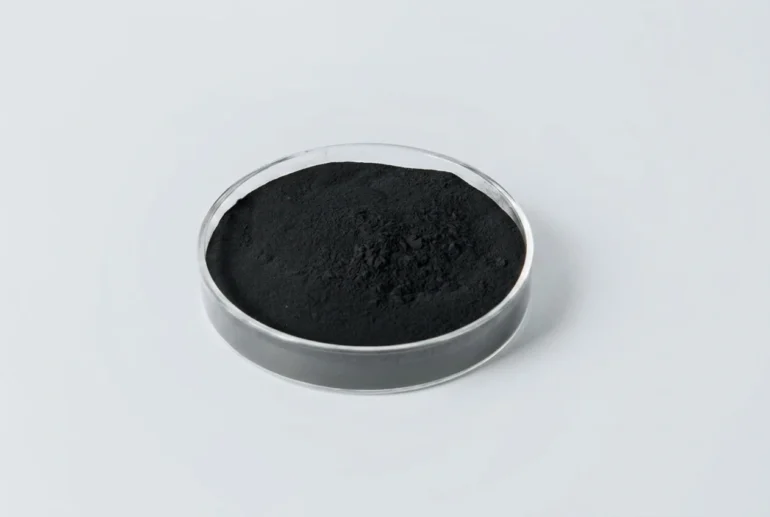
Activated carbon is a highly porous material designed to capture and remove contaminants from gases and liquids. Its large surface area allows it to effectively adsorb impurities, including hydrogen sulfide molecules.
When H₂S passes through an activated carbon filtration system, the gas molecules become trapped within the carbon’s porous structure. In certain applications, impregnated or chemically treated activated carbons enhance H₂S removal by promoting chemical reactions in addition to physical adsorption, resulting in improved removal efficiency and capacity.
Key Benefits of Using Activated Carbon for H₂S Treatment
Effective Odour Control
One of the primary advantages of activated carbon is its ability to significantly reduce unpleasant H₂S odours. This helps improve workplace environments and minimise odour-related complaints from surrounding communities.
Improved Equipment Protection
Hydrogen sulfide can contribute to corrosion in industrial systems over time. Removing H₂S helps protect valuable infrastructure, pipelines, and processing equipment from premature damage.
Reliable and Flexible Solution
Activated carbon systems can be adapted for a wide range of applications and operating conditions. Whether used in wastewater facilities or industrial processing plants, the technology offers dependable performance across different industries.
Supports Environmental Goals
Many businesses are placing greater emphasis on sustainability and responsible operations. Effective H₂S removal supports cleaner emissions and helps companies align with environmental standards and operational best practices.
Applications Across Industries
Activated carbon is widely used for H₂S removal in various sectors due to its versatility and efficiency.
Wastewater Treatment Facilities
Wastewater systems often generate hydrogen sulfide through the decomposition of organic material. Activated carbon filtration helps control odours and improve air quality within treatment plants.
Oil and Gas Operations
In oil and gas environments, H₂S removal is essential for protecting equipment and maintaining safe operations. Activated carbon solutions can assist in gas purification processes while supporting operational reliability.
Biogas and Renewable Energy
Biogas generated from organic waste frequently contains H₂S impurities. Activated carbon helps clean the gas before it is used for energy production, improving system efficiency and protecting equipment.
Industrial Manufacturing
Many manufacturing operations produce H₂S as part of their processes. Activated carbon filtration systems can help maintain cleaner air and support more efficient facility operations.
Choosing the Right Activated Carbon Solution
Different applications may require different types of activated carbon depending on factors such as gas concentration, humidity, flow rate, and operational requirements. Selecting the right solution is important to achieve optimal performance and long-term efficiency.
Working with experienced activated carbon manufacturers and suppliers can help businesses identify suitable filtration systems tailored to their specific needs.
Why Quality Matters
The effectiveness of activated carbon depends heavily on product quality, pore structure, and treatment methods. High-quality activated carbon solutions are designed to deliver consistent performance, durability, and reliable contaminant removal.
Choosing trusted suppliers ensures businesses receive products that meet industry standards while supporting operational goals and environmental requirements.
Supporting Cleaner and More Efficient Operations
As industries continue to prioritise sustainability, operational efficiency, and environmental responsibility, the importance of effective H₂S management will continue to grow. Activated carbon remains one of the most practical and proven solutions for controlling hydrogen sulfide in a wide range of applications.
Its ability to reduce odours, support cleaner air, protect infrastructure, and improve overall process performance makes it an essential component in modern filtration and purification systems.
Conclusion
Hydrogen sulfide removal plays an important role in maintaining safe, efficient, and environmentally responsible industrial operations. With its strong adsorption capabilities and versatile applications, activated carbon provides an effective solution for managing H₂S across industries such as wastewater treatment, oil and gas, biogas production, and manufacturing.
By investing in quality activated carbon solutions, businesses can improve operational performance, reduce odours, protect equipment, and support cleaner environments in a simple and reliable way.