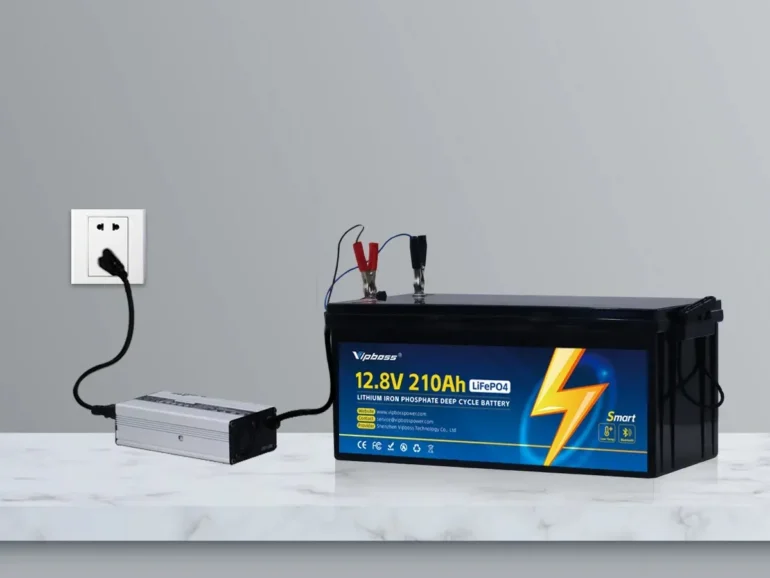
Leaving the utility grid behind sounds liberating, but the freedom depends on one thing more than any other: the storage bank that quietly powers your cabin, homestead, or remote workshop when the sun sets and the wind stops. A well-designed off grid battery system carries you through cloudy weeks, cold nights, and the occasional heavy load without leaving you fumbling in the dark. The wrong system, on the other hand, brings short runtimes, dead cells, and expensive replacements every few seasons.
This guide walks through the practical steps to plan, size, install, and maintain an off grid energy storage bank that actually lasts. Whether you are moving into a remote cabin, converting a farm outbuilding, or preparing a rural workshop, the same principles apply. You will learn how to calculate real energy needs, choose the right chemistry, wire safely, and set the habits that keep your investment healthy for a decade or longer.
Understanding What an Off Grid Battery System Really Needs to Do
Before touching a single cell, spend time understanding the job you are asking the bank to do. An off grid system is not a backup device that runs for a few hours after a storm. It is the sole source of electricity, cycled every single day, expected to survive temperature swings, and often paired with solar panels that produce inconsistent input. The math is different from grid-tied backup because depth of discharge, cycle life, and recharge speed all matter far more.
Start by listing every device you plan to run and the hours per day each one operates. A refrigerator that runs twelve hours a day at seventy watts is very different from a well pump that runs briefly but pulls twelve hundred watts at startup. Add everything up in watt-hours per day, then add another twenty to thirty percent for wiring loss, inverter overhead, and the reality that you will use more than you planned. If your usable daily total lands at three thousand watt-hours, the storage bank must comfortably deliver that without dropping below its safe discharge floor.
Chemistry Choices That Shape the System
Lithium iron phosphate has quietly become the default for serious off grid users, and for good reason. It delivers thousands of deep cycles, tolerates partial states of charge without harm, and stays stable across the temperature range most cabins see. Flooded lead-acid remains cheaper up front but demands ventilation, regular watering, and a much larger nameplate capacity to deliver the same usable energy. Sealed AGM sits in the middle, offering maintenance-free operation but with shorter life and lower usable depth.
For most homesteads and remote installations, a lithium off grid battery bank returns lower cost per delivered watt-hour over its lifetime even though the sticker price is higher. Vipboss builds its off grid line around this chemistry precisely because the total cost of ownership favors the buyer who plans to stay in place for years rather than months.
Sizing the Bank Without Guesswork
Sizing errors are the single biggest reason off grid systems disappoint their owners. Undersize the bank and you will chase the sun, ration lights, and cycle the cells so hard they age prematurely. Oversize it and the panels never fully recharge the bank, which also shortens life. Aim for a bank that carries your daily load through two to three cloudy days without dropping below fifty percent state of charge for lithium chemistries, or below seventy percent for lead-acid.
Work backward from your daily watt-hour total. Multiply by the number of autonomy days you want, then divide by the allowable depth of discharge. Add a small buffer for winter derating if you live in a cold climate. The result is the minimum usable capacity in watt-hours. Convert to amp-hours by dividing by the system voltage, and you have your target. Twenty-four and forty-eight volt systems are almost always better than twelve for anything beyond a small cabin because they reduce wire size, cost, and voltage drop.
Matching Solar Input to Storage Capacity
Your panels and your bank need to be balanced. A rough guideline is that solar array wattage should equal roughly one-fifth to one-quarter of the bank capacity in watt-hours when measured against a typical winter solar day in your region. If you have twenty thousand watt-hours of storage, you probably want four to five thousand watts of panel to reliably recharge it during short winter days. In summer this looks like overkill, but overkill in summer is exactly what carries you through December.
Wiring, Safety, and the Details That Prevent Fires
Off grid installations sit far from utility inspectors, but the physics of electrical safety do not care where you live. Use cable rated for the continuous current your inverter can draw, not just the average load. Fuse every positive lead within eighteen inches of the battery terminal. Torque every lug to the manufacturer specification and mark it with a paint pen so you can verify tightness at a glance during future inspections. Loose connections are the leading cause of avoidable off grid failures.
Keep the battery bank in a temperature-controlled space if possible. Lithium tolerates a wider range than lead-acid but still loses capacity below freezing and ages faster in prolonged heat. Ventilation matters even for sealed chemistries because the electronics inside the battery management system generate their own heat. A simple insulated enclosure with a small thermostatic fan solves most climate problems for under a hundred dollars.
Habits That Extend Bank Life by Years
The best off grid systems are cared for by owners who understand a few simple habits. Charge the bank fully at least once a week when weather allows, even if the daily cycle sits comfortably in the middle range. Watch the state of charge trend across a month rather than obsessing over daily numbers. Log inverter and charge controller data monthly so you can spot slow degradation before it becomes a failure.
Avoid the temptation to keep adding loads without expanding the bank and panels proportionally. Every new appliance changes the math. A chest freezer, a starlink terminal, or a small electric water heater can each push a marginal system into chronic undercharging. When you do expand, add matched cells or modules from the same manufacturer and batch when possible so the battery management system does not have to work around imbalanced groups.
When to Call in Help and When to Do It Yourself
Wiring a small twelve-volt cabin system with a plug-and-play lithium module and a matching inverter is well within reach for a careful homeowner who can read a wiring diagram. Larger forty-eight volt systems with multiple parallel strings, split-phase inverters, and generator auto-start deserve at least a consultation with someone who has built several. The cost of professional planning is trivial compared to the cost of a bank damaged by a wiring mistake in month three.
Building an Energy Independence That Lasts
A dependable off grid battery bank is not the product of one clever purchase. It is the result of honest load calculation, chemistry chosen for the way you actually live, sizing that respects both cloudy weeks and cold winters, and installation habits that treat safety as a permanent priority rather than a one-time checklist. Owners who follow this pattern routinely see ten years and more from a well-built lithium bank, with performance that barely changes from year one to year eight.
Take the time to plan on paper before ordering hardware. Confirm your loads, pick the chemistry that fits your climate and cycle needs, and buy from a supplier who supports the system after the sale. The freedom of living beyond the grid is real, and it becomes genuinely reliable when the storage bank underneath it is built to match the life you actually intend to lead.