

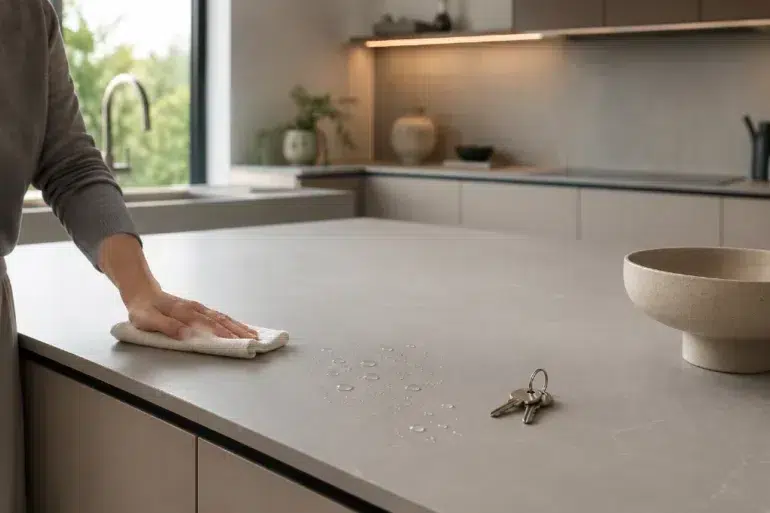
Modern homes need materials that look good, handle daily use, and do not demand constant care. That is exactly why HPL Platten have become a practical choice for kitchens, bathrooms, furniture, wall panels, and even some exterior design projects. They offer the clean appearance people want in contemporary interiors, but with a tougher surface than many traditional decorative finishes.
If you are renovating a home, designing built-in furniture, or planning a stylish worktop, HPL panels can give you the balance of beauty, durability, and easy maintenance. They are not just about looks. They are about surfaces that can survive busy homes, children, pets, moisture, heat, fingerprints, and everyday cleaning.
What Are HPL Platten?
HPL Platten are high-pressure laminate panels. The term “Platten” simply means “panels” or “boards” in German, so the phrase is often used when people search for high-pressure laminate boards, decorative laminate sheets, compact laminate panels, or modern surfacing materials.
High-pressure laminate is made by pressing layers of resin-impregnated paper under heat and high pressure. The core is usually built from kraft paper, while the visible surface includes a decorative layer and a protective top layer. This structure gives the panel its strength, surface resistance, and design flexibility.
According to technical information from the Composite Panel Association, high-pressure laminate is known as one of the most durable decorative surface materials and is commonly used in furniture, cabinetry, wall treatments, and high-traffic interiors.
That is one reason homeowners, interior designers, shopfitters, and furniture makers use it so often. It can look like wood, stone, concrete, matte color, metal, or a clean solid surface, without needing the same level of maintenance as some natural materials.
Why HPL Platten Fit Modern Home Design
Modern interiors are not only about style. They are about practicality. A beautiful kitchen counter that stains easily becomes frustrating. A wardrobe surface that scratches in a few months feels like a bad investment. A bathroom panel that swells from moisture can ruin the entire look.
This is where HPL Platten make sense.
They are designed for surfaces that need to work hard. In a family kitchen, they can handle repeated contact, cleaning, and regular use. In a bathroom, the right grade can resist moisture better than many basic wood-based finishes. In a home office, they give desks, cabinets, and shelves a clean professional look.
The appeal is simple: you get a surface that can look premium without being too delicate.
Key Benefits of HPL Platten
The best thing about HPL Platten is that they solve several home design problems at the same time. They are decorative, but they are also functional.
Common benefits include:
- Strong resistance to daily wear
- Wide choice of colors, patterns, and textures
- Easy cleaning with normal household care
- Better durability than many basic decorative boards
- Suitable for horizontal and vertical surfaces
- Useful for kitchens, wardrobes, shelves, doors, and wall panels
- Available in different thicknesses and grades
- Good option for high-traffic areas
The European EN 438 standard defines requirements and properties for high-pressure decorative laminates, including different types and performance expectations. A PRO-HPL product data sheet also describes HPL as a resin and cellulose-based thermosetting composite used in construction and furniture for decades.
That long use in furniture and construction matters. It shows that HPL is not just a short-term design trend. It is a proven material category with established applications.
HPL Platten for Kitchens
The kitchen is one of the hardest-working rooms in any home. Surfaces deal with steam, spills, plates, cutting boards, appliances, grease, cleaning products, and constant movement. That is why kitchen materials need more than a nice finish.
HPL Platten are often used for cabinet doors, drawer fronts, side panels, backsplashes, shelving, and some worktop applications. They are popular because they can create a clean modern look while staying practical.
A matte black kitchen can look elegant with HPL fronts. A wood-effect surface can make a kitchen feel warm without using solid timber everywhere. A light stone-effect laminate can create a premium look at a more manageable cost than real stone.
For homeowners, the daily benefit is easy care. Most marks can be cleaned with a soft cloth and mild cleaner. Unlike some porous surfaces, HPL does not usually need sealing in normal interior applications.
HPL Platten for Bathrooms and Wet Areas
Bathrooms are tricky because moisture is always present. Steam, splashes, changing temperatures, and frequent cleaning can damage weak surfaces. While not every HPL product is made for the same purpose, the right type of HPL panel can be a useful choice for bathroom furniture, vanity units, wall cladding, partitions, and storage surfaces.
Compact laminate is especially common in demanding wet-area applications because it is denser and stronger than thin decorative sheets bonded to a substrate. In public and commercial spaces, compact laminate is often used for toilet cubicles, partitions, and vanity areas because it can handle heavy use.
At home, this can translate into long-lasting bathroom furniture and wall details that do not feel fragile.
Still, installation matters. Edges, joints, fixing points, and sealing should be done properly. Even a durable panel can fail if water is allowed to sit inside weak seams or unfinished board edges.
HPL Platten for Furniture
Furniture is one of the best uses for HPL Platten. Modern wardrobes, TV units, shelves, desks, dining tables, cabinets, and sideboards all need surfaces that resist scratches, stains, and regular touch.
For custom furniture, HPL gives designers more freedom. A carpenter or furniture maker can create a built-in storage wall that looks like natural wood, a minimalist white wardrobe, or a bold colored study desk. The surface can be chosen to match the room style.
For families, the practical side is even more important. Children may drag toys across a table. Someone may place a coffee mug on a desk. Bags, keys, books, and devices may rub against shelves or cabinets. A delicate surface can start looking old very quickly.
HPL helps slow that down.
HPL Platten for Wall Panels and Interior Cladding
Wall panels have become a major interior trend. People use them behind TVs, along hallways, in entry areas, in bedrooms, and even in dining spaces. The reason is simple. A plain painted wall can look flat, while a textured or patterned panel can add depth.
HPL Platten work well for interior wall cladding because they combine appearance with surface strength. In narrow hallways, walls often get touched, bumped, or marked. In children’s rooms, painted walls may need constant repainting. In commercial-style home offices, a panel finish can make the space feel more polished.
Wood-effect HPL can bring warmth. Concrete-effect panels can create an industrial look. Solid matte colors can support a clean minimalist design. The options are wide enough for both calm and bold interiors.
HPL Platten for Outdoor and Exterior Use
Not all HPL Platten are suitable for outdoor use. This is important. Interior-grade HPL and exterior-grade HPL are not the same. If panels are used outside, they must be designed for weather exposure, UV exposure, temperature changes, and moisture.
Exterior-grade compact laminate is used for facades, balcony panels, soffits, garden structures, outdoor kitchens, and decorative cladding. These panels usually need specific performance ratings and correct installation systems.
A preview of EN 438 exterior compact laminate standards notes that exterior-grade compact laminates are characterized by high impact resistance, thermal shock resistance, and resistance to weather and corrosion.
For homeowners, the takeaway is simple. If the project is outdoors, do not choose panels based only on appearance. Check whether they are rated for exterior use.
HPL Platten vs. Other Surface Materials
Choosing between materials can be confusing. Every surface has strengths and weaknesses. The right choice depends on where the material will be used, how much wear it will face, and what look you want.
Here is a simple comparison:
| Material | Best For | Strengths | Watch Out For |
|---|---|---|---|
| HPL Platten | Furniture, cabinets, wall panels, work surfaces | Durable, decorative, easy to clean | Needs correct grade and edge finishing |
| Solid wood | Premium furniture, natural interiors | Warm, repairable, timeless | Can scratch, stain, expand, or need maintenance |
| Veneer | Decorative furniture | Natural wood look, lighter cost than solid wood | Thin surface can be damaged |
| Melamine board | Budget furniture | Affordable, widely available | Usually less impact-resistant than HPL |
| Stone | Premium kitchen surfaces | Strong, luxury appearance | Heavy, costly, may need sealing |
| PVC panels | Basic wall covering | Lightweight, moisture-friendly | Can look less premium |
HPL is not always the cheapest option, and it is not always the most luxurious. But it often gives the best middle ground for modern homes: attractive, strong, clean, and manageable.
How to Choose the Right HPL Platten
Buying HPL Platten should not be based only on color. A panel that looks beautiful in a showroom may not be right for every location.
Before choosing, think about these points:
- Is the panel for indoor or outdoor use?
- Will it be used vertically or horizontally?
- Does the surface need scratch resistance?
- Will it face moisture or heat?
- Is it for a kitchen, bathroom, bedroom, office, or facade?
- What thickness is needed?
- What substrate will be used?
- Are the edges exposed?
- Does the finish show fingerprints easily?
- Does the design match the rest of the home?
For example, a glossy finish may look stunning, but it may show fingerprints more easily in a busy kitchen. A textured matte finish may hide small marks better. A dark color can look premium but may show dust more than a light neutral shade.
The smartest choice is not always the most dramatic one. It is the one that fits the room, the lifestyle, and the level of daily use.
Popular Finishes for Modern Homes
The finish can completely change how HPL Platten feel in a room. A wood grain finish can make a space feel warm and natural. A stone effect can make a kitchen look high-end. A solid matte finish can create a calm, modern mood.
Popular design options include:
- Oak and walnut wood effects
- Marble and stone patterns
- Concrete and cement finishes
- Matte white, beige, gray, and black
- Soft pastel colors
- Brushed metal effects
- Textured anti-fingerprint surfaces
- Leather or fabric-inspired textures
For modern homes, the trend is moving toward natural-looking finishes with practical surfaces. People want rooms that feel warm and lived-in, not cold or overly perfect. That is why wood-effect and matte neutral HPL designs are so common.
Real-World Scenario: A Busy Family Kitchen
Imagine a family renovating a small kitchen. They want the space to look modern, but they also cook every day. The children often sit at the counter for snacks and homework. The cabinets are touched constantly, and the work surfaces are cleaned several times a day.
Solid wood cabinet fronts may look beautiful, but they may need more care. Painted doors may chip around handles. A low-cost board may start showing wear too soon.
In this case, HPL Platten for cabinet fronts and side panels can be a practical solution. A warm oak finish can keep the room inviting, while a matte surface can reduce visible smudges. With good edging and proper installation, the kitchen can stay attractive for years.
That is the kind of everyday value homeowners usually care about most.
Real-World Scenario: A Home Office That Looks Professional
Home offices are no longer temporary corners. Many people now want a proper workspace that feels calm, organized, and durable. A desk surface has to handle a laptop, keyboard, notebooks, coffee cups, cables, and daily movement.
Using HPL Platten for a custom desk, shelving, and storage wall can create a consistent design. A soft gray or wood-effect surface can make the office feel clean without looking too commercial.
The biggest advantage is that the desk surface does not feel too precious. You can actually use it. That matters in a real home.
Installation Matters More Than People Think
Even the best material can disappoint if it is badly installed. HPL needs proper cutting, bonding, fixing, and edge treatment. This is especially true in kitchens, bathrooms, and outdoor spaces.
Edges are one of the most important details. If the surface is bonded to a wood-based substrate, unfinished or poorly sealed edges can allow moisture to enter. That can lead to swelling or damage over time.
For wall panels, correct spacing and fixing systems matter. For exterior panels, ventilation, expansion gaps, and suitable fasteners are essential. For furniture, clean cuts and strong edging make the final result look professional.
A good installer does not just make the panel fit. They make it last.
Cleaning and Maintenance Tips
One reason homeowners like HPL Platten is the simple maintenance. In most daily situations, you do not need special polish, wax, or sealing.
Basic care tips include:
- Clean with a soft cloth and mild household cleaner
- Wipe spills quickly, especially around edges and joints
- Avoid abrasive pads that can dull the surface
- Use cutting boards instead of cutting directly on the surface
- Use heat mats for very hot pans or appliances
- Do not let standing water sit around seams
- Follow the manufacturer’s care instructions
HPL is tough, but it is not indestructible. Treating it with normal care will help preserve the finish for much longer.
Common Mistakes to Avoid
Some homeowners make the mistake of choosing HPL only by appearance. The result may look nice at first, but it may not perform well in the chosen location.
Avoid these common mistakes:
- Using interior-grade panels outdoors
- Ignoring edge sealing in wet areas
- Choosing glossy finishes for high-touch areas without considering fingerprints
- Using the wrong thickness for the application
- Forgetting expansion gaps in larger installations
- Comparing prices without checking quality, grade, and warranty
- Hiring installers who are not familiar with the material
The right product and the right installation should go together. One without the other is a risk.
Are HPL Platten Worth the Cost?
For many modern homes, yes. HPL Platten are worth considering because they can reduce long-term frustration. A cheaper surface that scratches, stains, or swells too quickly may cost more in replacement and repair later.
The value depends on where you use them. For a low-traffic decorative shelf, a simpler material might be enough. But for kitchen fronts, work surfaces, bathroom furniture, wall cladding, desks, or busy family areas, HPL can be a smarter long-term choice.
It gives homeowners a surface that looks designed, but still works in real life.
Frequently Asked Questions
Are HPL Platten waterproof?
HPL surfaces are moisture-resistant, but that does not mean every panel system is fully waterproof. The surface itself can handle normal cleaning and moisture better than many basic decorative finishes. However, joints, edges, substrates, and installation details decide how well the full panel performs in wet areas.
Can HPL Platten be used outside?
Yes, but only if they are exterior-grade panels made for outdoor use. Interior HPL should not be used for facades or exposed outdoor projects. Exterior panels must be installed with proper fixing systems, ventilation, and expansion spacing.
Do HPL Platten scratch easily?
HPL is designed to resist everyday wear better than many common decorative surfaces. Still, sharp tools, abrasive pads, or dragging rough objects can damage the finish. Using normal care will keep the surface looking better for longer.
Are HPL Platten good for kitchen cabinets?
Yes, they are a strong option for kitchen cabinet doors, drawer fronts, side panels, and decorative surfaces. They are easy to clean, available in many styles, and suitable for busy kitchens when the right grade and edging are used.
What is the difference between HPL and compact laminate?
Standard HPL is often a thinner laminate sheet bonded to a substrate. Compact laminate is thicker, denser, and self-supporting in many applications. Compact laminate is often used in bathrooms, partitions, worktops, and demanding commercial spaces.
Final Thoughts on HPL Platten for Modern Homes
Modern homes need surfaces that can do more than look beautiful on the first day. They need to survive real use, regular cleaning, changing design trends, and the small accidents that happen in everyday life. That is why HPL Platten remain such a useful choice for homeowners, designers, and furniture makers.
They offer the look of wood, stone, color, or texture while giving you a surface that is easier to live with. Used correctly, they can improve kitchens, bathrooms, furniture, wall panels, offices, and even exterior areas when the right grade is selected.
The smartest approach is to match the panel to the purpose. Choose interior-grade products for indoor furniture and walls. Choose exterior-grade compact panels for outdoor cladding. Pay attention to edges, installation, finish, and maintenance.
In the end, HPL Platten are not just decorative boards. They are practical design materials for homes that need durability without losing style. For anyone planning a renovation or custom interior project, they deserve a serious place on the shortlist, especially when comparing modern decorative laminate options and long-lasting surface materials like decorative laminate.