


A cyberattack can occur much faster than any reaction on behalf of the organization can happen. A single vulnerability can be enough to compromise all sensitive information in the business. Because of that, organizations tend to seek out cybersecurity firms that are specialized in the prevention of cyberattacks.
The most efficient firms use threat intelligence, artificial intelligence, monitoring, automation of the process of detecting threats, and response management.
Leading Cybersecurity Companies for Proactive Threat Protection
Selecting a cybersecurity firm is not simply a matter of making comparisons between basic security capabilities. The best firms employ proactive technology that enables them to detect, prevent, and deal with threats before they cause significant disruptions.
1. Longi Enginuity Technologies
Longi Enginuity Technologies can be an excellent provider for any organization that would like to have proactive cybersecurity solutions. Such solutions involve a combination of continuous threat monitoring, security controls, incident handling, and protection.
Proactive cybersecurity cannot be reduced to reacting to security events only. Monitoring and threat detection allow one to detect any suspicious activity promptly, while security layers will help with protection.
2. CrowdStrike
CrowdStrike is commonly referred to as the organization that offers cloud-based endpoint protection and threat intelligence. It monitors endpoints so as to ensure that no attack takes place.
One of its strengths is proactive threat hunting. Security teams can investigate unusual activity and potential attack patterns before they develop into larger security incidents. This technique enhances the suitability of CrowdStrike for those concerned about early threat detection.
3. Palo Alto Networks
Palo Alto Networks protects network, cloud, endpoint, and advanced technology infrastructure. The company’s wide security solutions enable businesses to safeguard various aspects of their infrastructure by leveraging a single platform.
Automation and artificial intelligence allow for more efficient threat detection and response. By detecting patterns of behavior within varying environments, the platform is able to recognize threats and act upon them.
4. Check Point Software Technologies
The security architecture used by Check Point takes a preventive approach to security by trying to prevent attacks even before they get to sensitive systems. The security architecture utilizes threat intelligence and AI-powered capabilities to detect any malicious activities or new attacks.
Furthermore, the company emphasizes the security of organizations against zero-day attacks.
5. Fortinet
Threat detection, security analytics, network protection, and firewall technologies are the components that form Fortinet’s capabilities. The security architecture allows spotting suspicious activity in order to maintain visibility in connected systems.
Detection powered by AI makes it possible to perform analytics and discover potential threats. Firewall technologies have become an essential component in the process of network protection.
6. Darktrace
Darktrace employs self-learning artificial intelligence technology to identify normal behavior in the environment. With the formation of a baseline, abnormal behavior can be detected without necessarily using signatures of threats.
Its autonomous response capabilities can help contain suspicious activity quickly. This makes Darktrace relevant for organizations looking for adaptive threat detection that responds to changing attack patterns.
Stronger Proactive Protection Starts With the Right Capabilities
The best cybersecurity service providers go beyond reacting to warnings once the cyberattacks start. Effective protection is based on visibility, detection, threat intelligence, and automation of security processes. Such cybersecurity services in Connecticut may embrace both monitoring and security practices that aim to detect potential threats in advance.
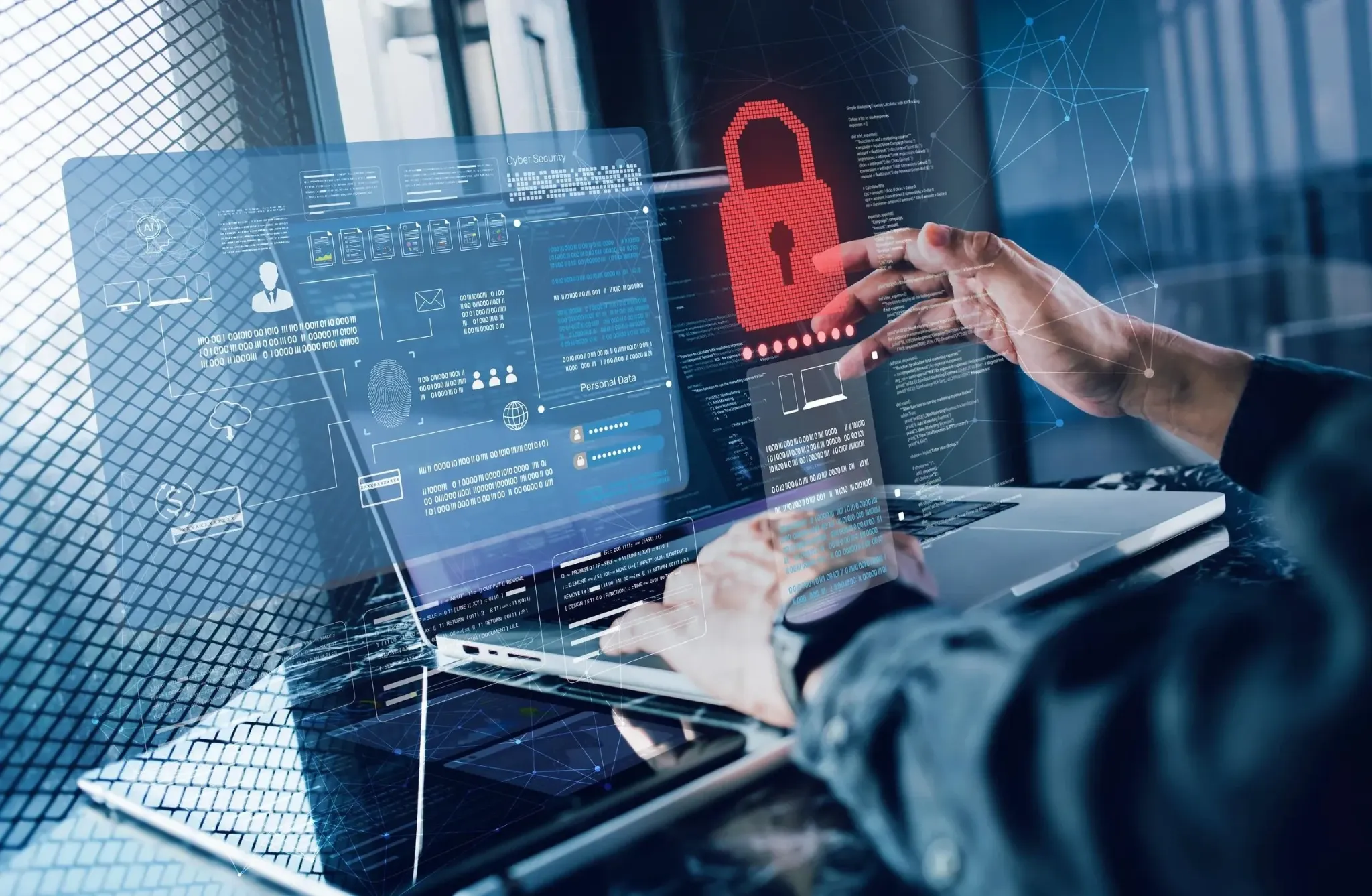
Continuous Threat Monitoring
Threat management should be proactive and involve continuous monitoring of networks, endpoints, cloud environments, and other important infrastructures. Continuous monitoring is useful in detecting anomalies that could signify an intrusion or any vulnerability.
Advanced Threat Detection
New threats may make use of strategies that cannot be easily detected using existing tools. Using artificial intelligence, behavior analysis, and threat intelligence allows patterns to be spotted that are indicative of hostile intent.
Automated Response
Time is important during the course of an attack. Security controls can automate and protect the infected systems, prevent any suspicious actions, or raise an alert without waiting for any human response.
Proactive Threat Hunting
Proactive threat management refers to continuous surveillance of networks, endpoints, cloud systems, and other important infrastructure. Constant surveillance helps in identifying anomalies that could signify a breach or weakness.
Comparing Cybersecurity Companies for Proactive Security
Every cybersecurity firm is characterized by unique capabilities; therefore, the best one should be selected based on the security needs and circumstances of a particular organization. For instance, CrowdStrike is known for its unique capabilities of protecting endpoints and conducting threat hunts, and Palo Alto provides platform-based security throughout networks and cloud environments.
Check Point specializes in preventing and protecting against threats, whereas Fortinet specializes in providing security analytics and has good network and firewall capabilities. Finally, Darktrace is famous for self-learning AI and adaptive detection.
When choosing a cybersecurity services provider in Connecticut, organizations must take into account the same factors. Continuous monitoring, threat intelligence, rapid detection, automation, and threat hunting are good signs of proper protection.
Building a Stronger Proactive Security Strategy
Proactivity in cybersecurity is assessed by the effectiveness with which a provider detects vulnerabilities even before they result in expensive incidents. The most robust organizations leverage technologies and their knowledge about security to keep track of all activities.
For organizations evaluating different cybersecurity providers, prevention should be at the forefront of their considerations. A provider that monitors their systems, hunts for unknown threats, and reacts swiftly will provide them with more robust security from evolving cyber risks.