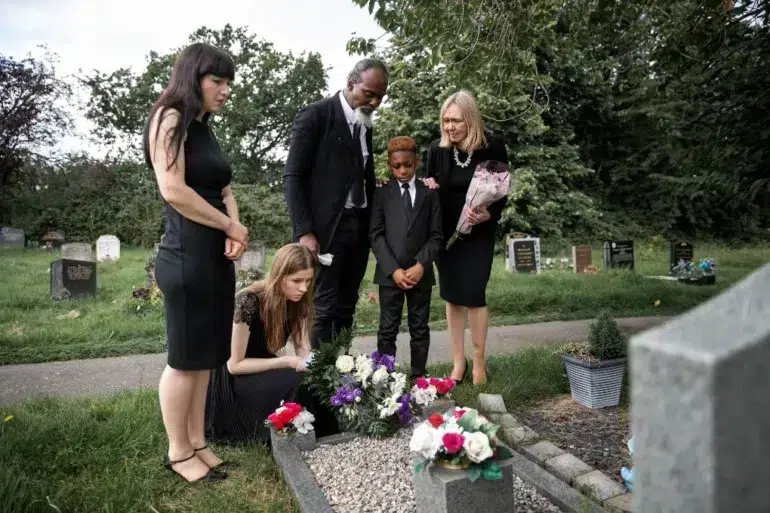
Grief is one of the most universal human experiences, yet it remains deeply personal. When a loved one passes, the rituals and objects we choose to honor them carry enormous emotional weight. Among the most enduring of these is the creation of a meaningful memorial marker. Far from being a simple administrative task, the process of personalizing a tribute can become a powerful act of healing, allowing families to celebrate a life fully lived while beginning to process their own sorrow. Research and grief counselors increasingly affirm what many families already know intuitively: the act of memorialization is not just about the deceased, but about the living who are left behind.
The Psychological Value of Meaningful Memorialization
When we lose someone we love, the mind searches for ways to anchor grief in something tangible. Psychologists who study bereavement have long recognized that rituals play a critical role in helping survivors transition through loss. Creating a physical memorial gives mourners a sense of agency during a time when so much feels beyond their control. It transforms passive grief into purposeful action, and that shift can be profoundly therapeutic.
According to the American Psychological Association, grief that is acknowledged and processed through meaningful ritual tends to follow a healthier trajectory than grief that is suppressed or left without an outlet. Memorialization is one of the oldest and most cross-cultural of these rituals, reflecting a deep human need to mark endings with intention and care.
Choosing symbols, inscriptions, and designs that reflect who a person truly was transforms the grieving process into an act of remembrance and even celebration. Families often describe the experience of designing a memorial marker as one of the most meaningful things they did in the aftermath of a loss, something that helped them feel connected to the person they were honoring.
Personalization as a Form of Storytelling
Every life is a story, and a well-crafted memorial tells that story to anyone who encounters it. The details matter enormously. A beloved teacher might be honored with an open book etched in stone. A lifelong gardener might have a floral motif woven into the design. A military veteran might have their service branch and years of dedication prominently acknowledged. These choices are not decorative flourishes; they are narrative decisions that communicate identity, values, and love.
Selecting a thoughtfully designed headstone is one of the most direct ways a family can ensure that a loved one’s unique character is preserved for generations. The inscription, the material, the shape, and the imagery all work together to create something that speaks to who that person was, not just when they lived and died. This kind of specificity is what elevates a memorial from a marker to a monument.
Families who take the time to personalize a memorial often report that the process itself brought them together. Siblings who might otherwise struggle to communicate during a difficult time find common ground in sharing memories of their parent. Children who are too young to fully understand death can still participate by suggesting symbols or images that meant something to them. In this way, personalization becomes a collaborative act of love.
The Lasting Impact on Future Generations
Memorials are not only for those who knew the deceased. They serve a vital function for future generations who may never have had the chance to meet their great-grandparents or distant relatives. A well-crafted memorial marker becomes a point of connection across time, a physical place where descendants can come to learn something about the people who came before them.
Genealogists and family historians frequently speak about the profound experience of visiting the grave of an ancestor and seeing, perhaps for the first time, a name that had only existed in records or family stories. A thoughtfully designed marker does more than record dates; it communicates personality and legacy. An engraved quote, a symbol of faith, or a reference to a lifelong passion can spark curiosity and conversation that carries a person’s memory forward long after those who knew them personally are gone.
This generational dimension of memorialization is one reason why quality and craftsmanship matter so much. A memorial that is built to last, using durable materials and skilled artistry, ensures that the story it tells will remain legible and intact for decades or even centuries to come. Investing in a lasting tribute is, in a very real sense, investing in the preservation of family history.
Honoring Cultural and Spiritual Traditions
Across cultures and religions, the way communities memorialize their dead reflects their deepest values and beliefs. From the elaborate carved stones of Celtic tradition to the simple, uniform markers of certain religious communities, memorial design is never culturally neutral. It carries meaning that extends beyond the individual to encompass community, faith, and heritage.
Modern memorial designers have become increasingly skilled at honoring these diverse traditions while also accommodating the personal preferences of individual families. A family with strong religious convictions might want scripture or sacred symbols prominently featured. A secular family might prefer a design that emphasizes nature, art, or a personal philosophy. The best memorial craftspeople understand that their job is to serve the family’s vision, not to impose a generic template.
This sensitivity to cultural and spiritual context is especially important in multicultural families, where multiple traditions may need to be honored simultaneously. The process of navigating those conversations can itself become a meaningful part of the grieving process, helping family members understand one another and the person they have lost in new and deeper ways.
Choosing the Right Memorial Partner
The process of selecting a memorial marker should never feel rushed or impersonal. Families deserve to work with craftspeople who take the time to understand the life being honored and the vision of the family doing the honoring. The right memorial partner will ask thoughtful questions, offer genuine guidance, and treat the process with the gravity and care it deserves.
It is also worth considering the full range of options available. Modern memorial design has evolved significantly, and families today have access to a wider array of materials, finishes, and customization options than at any previous point in history. Exploring those possibilities fully, rather than defaulting to the first available option, can make a meaningful difference in the final result.
Grief is a journey that no one should have to navigate alone, and the memorials we create for those we love are among the most enduring companions on that journey. When done with care and intention, a well-designed memorial becomes more than a marker. It becomes a lasting testament to a life that mattered, a story that deserves to be told, and a source of comfort that can sustain families through loss and beyond.