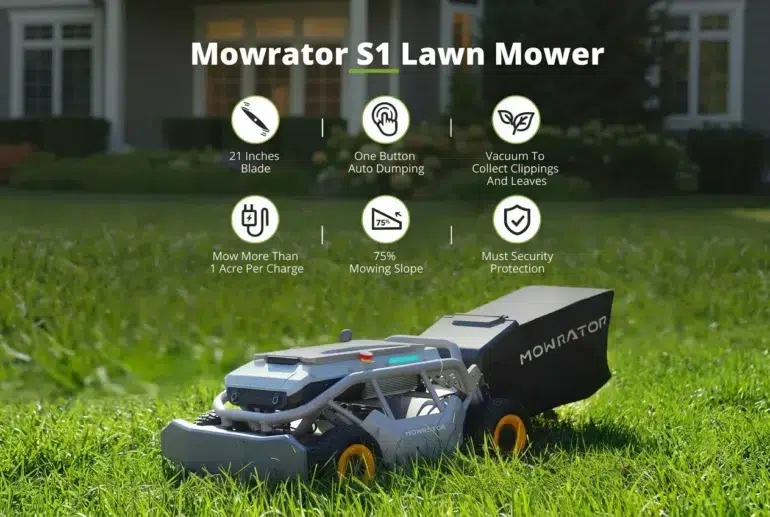
Across the acreages of rural Ontario, the lakeside lots of Manitoba, and the suburban edges of the Fraser Valley in British Columbia, the Canadian growing season is short but intense. Grass that lies dormant under snow for months surges in late spring and demands frequent cutting through summer, often across half an acre or more of uneven ground. Keeping that much lawn tidy by hand consumes weekends. A four-wheel-drive robotic lawnmower offers another approach, and understanding how it works helps owners decide whether it suits their property.
How a Robotic Mower Operates
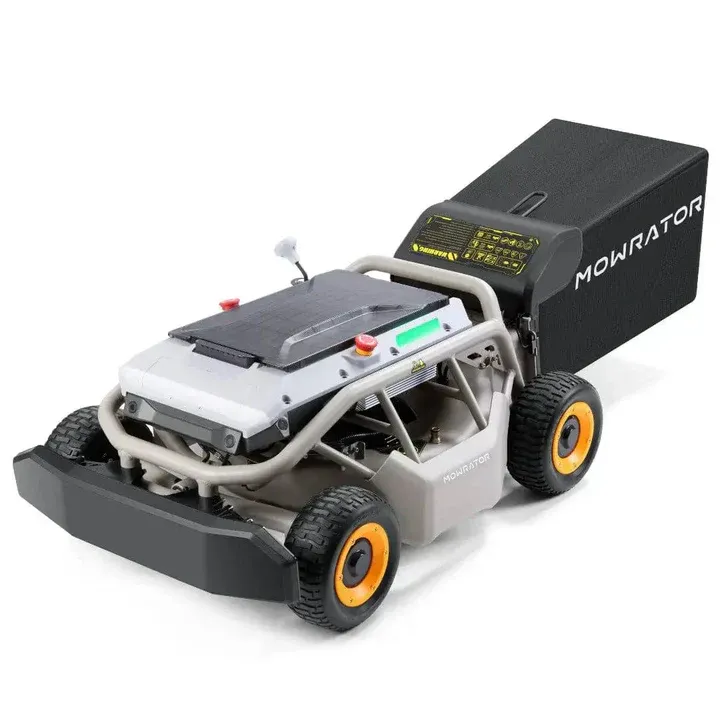
A battery-powered robotic lawnmower carries an electric motor that spins a cutting blade while a separate drive system moves the machine across the lawn. Four-wheel drive gives traction on slopes and damp turf that would defeat a lighter unit. Remote control lets the operator guide the machine from a distance, while sensors help it respond to obstacles. A three-in-one system can mulch clippings back into the lawn, collect them in a bag for disposal, or discharge them out to the side, so a single machine adapts to changing conditions through the season.
Efficiency, Safety, and Productivity
Battery operation removes the noise, fumes, and pull-start routine of a gasoline engine, so the work can happen earlier or later in the day without disturbing neighbours. Mulching returns nutrients to the soil and reduces the need to haul clippings away. Because the operator can stand clear of the cutting deck, there is far less exposure to thrown debris, flying stones, and the heat and fatigue of a long mowing session on a hot afternoon.
Consider a hobby farm near Peterborough, Ontario, with a sloping front lawn and an orchard strip behind the house. The owner uses the bagging mode in spring when growth is heavy, switches to mulching through midsummer, and relies on four-wheel drive to climb the bank by the pond that a push mower could never manage safely. The short season means every dry afternoon counts, and the machine keeps the whole property even.
Technical Foundation and Performance Factors
Real performance depends on several factors:
· Battery capacity, which sets how long the machine runs per charge
· Slope and traction, where four driven wheels help most
· Grass height and density at the start of the cut
· Blade sharpness, which affects a clean finish
Cool Canadian spring temperatures are generally kind to batteries, though very cold storage shortens their life, so the unit should overwinter in a sheltered space.
Safe Operation and Maintenance
Safe mowing starts with a clear lawn. Stones, branches, and toys should be removed before each session, and people and pets kept away from the cutting path. The blade must only be serviced with the machine powered down and the battery isolated. Routine care keeps the mower reliable:
· Clean grass buildup from under the deck after use
· Inspect and sharpen or replace the blade regularly
· Charge and store the battery as the maker directs
· Check wheels and drive components for wear
Keeping the underside clear matters most, because packed clippings dull the cut and strain the motor.
Modes, Tools, and Accessories
The three cutting modes cover most needs, and useful extras include a spare battery for larger lots, replacement blades, and a charging dock placed under cover. A collection bag suits the heavy growth of early summer, while side discharge handles tall grass that would clog a bagger.
What Buyers Should Weigh
Owners should match battery runtime to the size of their lawn, confirm the drive system can handle their steepest slopes, and consider how easily the machine is stored over a long winter. Cutting width, blade access, and the availability of spare batteries all shape the day-to-day experience. A unit chosen for the most demanding part of the yard will handle the gentler areas with ease.
As battery technology improves and Canadian homeowners look for quieter, cleaner tools, a robotic lawnmower and similar remote machines are likely to grow more capable on rough terrain and longer-lasting on a single charge in the years ahead. Buyers should compare runtime, terrain capability, maintenance requirements, and available accessories before selecting a mower that matches their property.