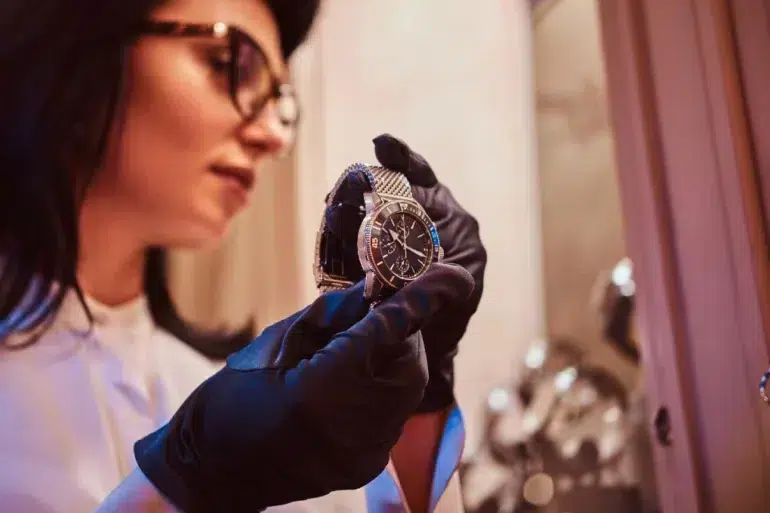
Honestly? There’s nothing quite like strapping on a watch that’s already lived a life. Pre-owned luxury watches have exploded well beyond dusty collector circles; they’re a full-blown mainstream obsession now, somewhere between smart money moves and genuine passion for craft.
Pre-owned watch sales hit $24 billion in 2023, roughly one-third of all luxury watch retail value. That’s not a trend. That’s a shift. Whether you’re chasing heritage, hunting value, or just hate the idea of wasting a perfectly good Submariner on a dusty boutique shelf, knowing how to navigate this space changes everything.
Why Pre-Owned Luxury Watches Make Serious Sense
Collectors who consistently buy used luxury watches keep discovering advantages that new-watch buyers simply don’t have access to. Better budget flexibility. Rare references. A story behind every dial.
If you’ve been eyeing used Patek Philippe watches, you already know the appeal, getting into this caliber of watchmaking without chasing retail prices that feel almost deliberately punishing.
You Skip the Brutal First-Drop Depreciation
Walk out of a boutique with a new luxury watch and watch its value quietly evaporate. Pre-owned pieces have already absorbed that brutal first hit. You’re buying closer to the actual market value, and certain references? They appreciate. Full stop.
Discontinued References Are Out There Waiting
Some of the best watches ever made aren’t being produced anymore. Period. The pre-owned market is the only place these pieces resurface. New retail can’t touch that. Never will.
It’s the More Sustainable Choice, Too
Choosing second-hand luxury watches isn’t just financially smart, it’s genuinely the ethical move. You’re giving a beautifully engineered object more life rather than feeding demand for entirely new production. That matters more to today’s collectors than people might assume.
Now that you understand the real draw of pre-owned luxury watches, let’s talk about navigating this market without getting burned.
Your Collector Roadmap, From Authentication to the Right Deal
This luxury watch collector guide covers everything you actually need: spotting fakes, reading condition honestly, and finding sellers worth trusting. Skip either authentication or condition grading, and you’re flying blind.
What Actually Separates a Real Watch from a Clever Fake
Documentation is your first line of defense. Serial numbers, reference numbers, original papers, service records, these tell the watch’s entire story. Authentic pieces have consistent hallmarks, correctly printed dials, and movement engravings that match what the manufacturer actually produced.
Provenance isn’t just nice to have; it’s everything. A watch with traceable ownership and documented service history carries a fraction of the risk that comes with a no-paper-trail mystery piece. Ask sellers directly about their authentication process. If they hesitate, that’s your answer.
Inspection Checklist Before You Pull the Trigger
When buying used luxury watches, look hard at the case, dial, bracelet, and movement. Uneven wear is fine, expected, even. But replaced hands, non-original parts, or mixed components from different references? Collectors call those “Frankenstein” pieces, and they’re worth far less than clean examples.
Movement accuracy deserves attention, too. A properly maintained movement runs within the manufacturer’s tolerances. Request a timing certificate or recent service records whenever you’re dealing with higher-value pieces.
Where to Actually Find Trustworthy Second-Hand Luxury Watches
Over 50% of luxury consumers prefer buying pre-owned directly from brands or trusted affiliated dealers, underscoring the importance of provenance and transparency. Reputable second-hand luxury watches turn up through authorized resellers, established auction houses, verified online platforms, and tight-knit collector communities. Each channel comes with its own trade-offs.
How to Negotiate Without Leaving Money on the Table
Timing is one of the most underrated variables in this market. Watch values shift with market cycles, brand announcements, and economic mood swings. Buy during quieter periods, not when a reference is blowing up on Reddit, and you’ll almost always land a better number.
Service History Is Your Leverage
A documented service history gives you genuine negotiating power. Recent servicing means real cost savings for you. Sellers who can’t produce records often accept lower offers once you calmly point out that gap. Keep it professional. It works.
Know What Actually Moves the Price
Brand reputation, complication type, rarity, condition grade, and whether the set is complete, box, papers, and accessories all factor into pricing. Get comfortable with these variables, and you’ll spot overpriced listings fast and recognize actual value when it shows up.
Now that your negotiating instincts are sharper, let’s talk about which watches are genuinely worth chasing.
The Icons, Pre-Owned Pieces That Belong in Serious Collections
Not every pre-owned watch makes a smart investment. Some references have proven themselves through multiple market cycles. Others quietly vanish from collector interest. Knowing the difference matters.
The Classics That Anchor Real Collections
The Rolex Submariner, Omega Speedmaster, and Audemars Piguet Royal Oak are the bedrock. Demand stays consistently strong, parts ecosystems are well-supported, and secondary market liquidity stays high because cultural recognition never fades.
Why Used Patek Philippe Watches Deserve Serious Attention
When you’re evaluating investment-worthy timepieces, used Patek Philippe watches consistently stand out, not just for prestige, but for genuine long-term appreciation. Entry-level Calatrava references offer a more accessible entry point into the brand’s world, while the Nautilus and Aquanaut lines command real market premiums that rarely soften.
Spotting undervalued references means studying auction results and dealer pricing across multiple platforms over time. Complications like perpetual calendars or minute repeaters carry premium pricing today, and exceptional appreciation potential down the line.
Independent Makers Quietly Gaining Ground
F.P. Journe and H. Moser & Cie have built fierce collector followings. Limited production volumes and genuinely distinctive design philosophies mean pre-owned examples from these independents often trade above original retail within just a few years of release.
Knowing what to buy is a real edge. But smart collectors are also using technology to authenticate and evaluate faster than ever before.
How Technology Is Changing the Pre-Owned Watch Game
Blockchain-based digital passports are shifting how authentication actually works. Platforms like Arianee and WatchBox are building immutable ownership records that follow a watch through its entire life, dramatically reducing fraud risk in ways that traditional paperwork never could.
AI-driven pricing tools now analyze thousands of recent sales to flag whether a listing is fairly priced or quietly inflated. Virtual try-on apps, still maturing but improving fast, let remote buyers visualize a watch on the wrist before committing. Genuinely useful when you can’t physically inspect a piece.
Buying smart is one thing. Protecting what you’ve acquired is the next step.
Keeping Your Pre-Owned Watch in Peak Condition
Proper care preserves both function and resale value. Store watches away from magnetic fields and temperature extremes, and always use authorized service centers, not independent shops without certified technicians who actually know the movement.
Maintenance and Insurance, Don’t Skip Either
Most mechanical watches benefit from professional servicing every five to seven years. High-complication pieces may need attention more frequently. On the insurance side, a specialist watch policy, separate from your general home contents coverage, properly accounts for theft, accidental damage, and loss at real replacement values.
Even experienced collectors stumble into the same traps. Here’s what to avoid.
Mistakes That Cost Collectors Real Money
Buying during a hype spike is probably the single most expensive error collectors make. Prices jump fast when a reference goes viral, and cooling-off periods always reveal whether that excitement was genuine demand or just speculation burning itself out.
Overlooking minor dial imperfections, incorrect hands, or bracelet stretch often points to bigger underlying problems. Always factor potential restoration costs into your offer, and never skip a physical inspection or expert appraisal on anything high-value. Never.
Where This Market Is Headed
The pre-owned luxury watch market is expected to reach USD 85.4 billion by 2033, growing at a 13.3% CAGR. Younger collectors are driving a big chunk of that; they prioritize sustainability, uniqueness, and story over newness in ways that align perfectly with what pre-owned offers.
Emerging buyer pools across Southeast Asia and the Middle East are expanding both demand and the diversity of references entering circulation. The market is genuinely broadening.
Resources Worth Bookmarking
Stay sharp by staying connected. WatchCharts and Chrono24’s market tools track real-time pricing across major references. Watchuseek forums, the Hodinkee podcast, and YouTube channels like Bark and Jack provide editorial depth that no single dealer can replicate. For a beginner-friendly expert perspective, Forbes’ guide on starting a vintage watch collection is also worth reading before making your first major pre-owned purchase.
Where Do You Go From Here?
The world of pre-owned luxury watches genuinely rewards people who take the time to learn it. Whether you’re working through this luxury watch collector guide before your very first purchase or your fifteenth, patience and knowledge are the only two things that consistently separate great acquisitions from regrettable ones.
Start with careful research. Connect with experienced communities. And when you’re ready to add something truly remarkable to your collection, explore our curated selection of used Patek Philippe watches and take the next step as a real luxury watch connoisseur.
Quick Answers to the Questions Most Collectors Ask
Are pre-owned luxury watches a good investment right now?
Many references hold or grow in value, especially from Rolex, Patek Philippe, and Audemars Piguet. That said, buying what you genuinely love still beats chasing pure profit for long-term satisfaction and reasonable returns.
How do I verify a used luxury watch is authentic?
Cross-reference serial numbers against manufacturer databases, review original documentation, and have the movement inspected by a certified watchmaker. Reputable dealers offering authentication certificates dramatically reduce counterfeit exposure.
What are the real risks of buying second-hand luxury watches online?
Counterfeit listings, misrepresented condition, and unreliable sellers are the biggest concerns. Platforms with escrow payments, buyer guarantees, and verified seller ratings substantially cut fraud risk.