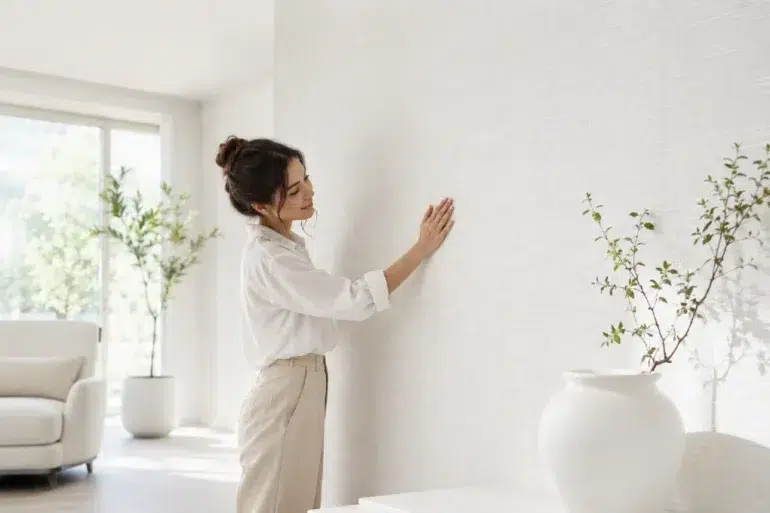
White Wallpaper is one of the easiest ways to make a room feel cleaner, brighter, and more modern without making the space look cold or unfinished. It works because white gives the eye room to breathe. It reflects light, softens busy furniture, and creates a calm background for almost any home decor style.
But choosing the right white wall design is not always as simple as picking the first plain roll you see.
Some white wallpapers feel warm and cozy. Some look crisp and gallery-like. Some add texture, pattern, or a soft luxury finish without bringing too much visual noise into the room. The real trick is knowing which style fits your space, your lighting, your furniture, and the mood you want to create.
A clean modern home does not have to feel empty. With the right wallpaper, white walls can feel thoughtful, layered, and quietly beautiful.
Why White Wallpaper Works So Well in Modern Homes
White Wallpaper has stayed popular because it solves several design problems at once. It can make a small room feel more open, help dark corners look brighter, and give mismatched furniture a more pulled-together look.
White also works well with almost every material. Wood looks warmer beside it. Metal finishes look sharper. Plants look fresher. Black accents feel more intentional. Even colorful decor stands out more clearly when the wall behind it is simple.
Interior design platforms such as Houzz often highlight texture, color balance, and pattern as important parts of creating a finished room, and white walls are one of the easiest backgrounds for layering those details naturally.
The mistake many people make is thinking white means plain. It does not. A white interior can feel soft, coastal, Scandinavian, classic, hotel-inspired, minimalist, farmhouse, or high-end depending on the wallpaper pattern and finish.
That is why White Wallpaper is not just a safe choice. It can be a smart design choice.
Choosing the Right Shade of White
Not all white tones look the same once they are on the wall. Lighting, floor color, and furniture can change how wallpaper appears throughout the day.
A bright white wallpaper may look clean and modern in a sunny room, but it can feel harsh in a room with cool artificial lighting. A creamy white can make a bedroom feel warmer, but it may look slightly yellow beside pure white trim.
Here are the most common white tones and where they usually work best:
| White Wallpaper Shade | Best For | Overall Feel |
|---|---|---|
| Pure white | Modern apartments, offices, small rooms | Crisp, clean, sharp |
| Warm white | Bedrooms, living rooms, family spaces | Soft, cozy, relaxed |
| Off-white | Traditional homes, rentals, older interiors | Balanced, easy, timeless |
| Ivory white | Classic bedrooms, dining rooms | Elegant, warm, polished |
| Cool white | Minimalist rooms, grey-toned interiors | Fresh, sleek, modern |
Before buying multiple rolls, it is worth checking a sample in the actual room. Look at it in morning light, afternoon light, and night lighting. A wallpaper that looks perfect online can feel very different once it meets your flooring and furniture.
Textured White Wallpaper for Depth Without Clutter
One of the best ways to use White Wallpaper in a modern home is to choose texture instead of strong pattern. Texture adds interest while keeping the room calm.
Think of soft linen texture, grasscloth-style finishes, subtle plaster effects, raised geometric lines, or a delicate woven look. These designs do not fight with your furniture. They simply stop the wall from looking flat.
Textured wallpaper works especially well in:
- Living rooms with neutral furniture
- Bedrooms that need softness
- Hallways that feel too plain
- Dining rooms with simple lighting
- Home offices where you want a clean background
A white textured wall can also make affordable furniture look more expensive. The room feels finished because the background has dimension.
For example, a plain white wall behind a beige sofa might look unfinished. But a soft linen-effect wallpaper behind the same sofa can make the whole room feel designed, even if nothing else changes.
White Wallpaper Ideas for Living Rooms
The living room is usually where white wallpaper has the biggest impact. It can make the room feel open, fresh, and easier to style.
If your living room already has colorful pillows, wood furniture, wall art, or a patterned rug, a simple white wallpaper can calm everything down. It gives the room a clean base without taking away personality.
A few living room ideas that work beautifully:
- Use a subtle white geometric wallpaper behind the sofa.
- Try a white brick-effect wallpaper for a casual modern look.
- Choose soft textured wallpaper for a quiet luxury feel.
- Add white botanical wallpaper if the room has plants and natural wood.
- Use white panel-effect wallpaper to create a classic wall treatment look.
For smaller living rooms, avoid very large and busy patterns. They can make the room feel tighter. A fine texture or small pattern usually works better because it adds detail without shrinking the space visually.
In a larger living room, you can go bolder with raised patterns, large-scale white florals, or 3D-style designs. Since the color is still white, the pattern feels softer than it would in a darker shade.
White Wallpaper for Bedrooms That Feel Calm
A bedroom should feel restful, and white is naturally good at creating that feeling. But plain white paint can sometimes feel too bare. Wallpaper gives the bedroom a softer, more personal mood.
White Wallpaper behind the bed can act like a quiet headboard. It frames the sleeping area without adding heavy color. This is useful if you like calm interiors but still want the room to feel decorated.
For bedrooms, these styles work especially well:
- Warm white linen texture
- Soft white floral patterns
- Off-white damask designs
- White and beige subtle stripes
- White plaster-effect wallpaper
- Gentle leaf or vine patterns
A white bedroom does not have to be all white. In fact, it often looks better when layered with soft neutrals. Add beige bedding, pale wood side tables, warm lamps, woven baskets, or muted green plants. These small details keep the room from feeling too clinical.
If your bedroom has low natural light, avoid bright blue-white wallpaper. It can feel cold. A warm white or ivory design will usually feel more comfortable.
White Wallpaper in Small Rooms
Small rooms often benefit from lighter walls, but the right wallpaper can do more than brighten the space. It can create the illusion of height, width, and order.
Vertical white stripes can make ceilings look taller. A delicate all-over pattern can make the wall feel less empty without creating visual clutter. A white panel design can give a small room a more structured, custom look.
For a small room, the goal is not to hide the walls. The goal is to make the walls feel intentional.
Good small-room choices include:
- Thin vertical stripe wallpaper
- Soft white texture
- Small-scale geometric prints
- White marble-effect wallpaper
- Subtle tone-on-tone patterns
Avoid very shiny wallpaper in tight spaces unless the room has balanced lighting. Glossy finishes can reflect light unevenly and draw attention to wall imperfections.
A Clean Look for Home Offices
Home offices need a balance between calm and focus. Too much color can feel distracting, while completely blank walls can feel uninspiring.
White Wallpaper can help create a clean professional background, especially for video calls. A subtle texture behind your desk looks more polished than a plain wall but still keeps attention on you.
For a modern home office, consider:
- White concrete-effect wallpaper
- Soft white vertical texture
- Minimal line patterns
- White and light grey geometric designs
- Matte wallpaper that avoids glare
If you use shelves, black frames, or wood desks, white wallpaper helps those items stand out. It also makes the room feel organized, even when the desk is busy.
White Wallpaper for Hallways and Entryways
Hallways and entryways often get ignored, but they shape the first impression of a home. A clean white wallpaper can make these narrow or low-light areas feel more welcoming.
A textured white wallpaper is especially useful in a hallway because it gives the walls character without making the space feel crowded. If the hallway is long, a subtle pattern can break up the emptiness.
For entryways, panel-effect white wallpaper can create a classic look without expensive wall molding. Pair it with a simple mirror, a slim console table, and warm lighting. The result feels neat, bright, and practical.
Since hallways can get touched often, choose a washable or durable wallpaper if possible. This matters more in homes with children, pets, or heavy daily traffic.
Modern White Wallpaper Patterns That Do Not Look Boring
A modern white wall design does not need loud color to feel stylish. Pattern can do the work quietly.
Some of the most popular pattern choices include:
White Brick Wallpaper
White brick wallpaper gives a room an urban, casual look. It works well in apartments, kitchens, home offices, and relaxed living rooms. The key is choosing a design that looks soft and natural, not overly printed or fake.
White Marble Wallpaper
White marble-effect wallpaper adds a clean luxury feel. It works best on one feature wall, in powder rooms, vanity areas, or behind open shelving. Too much marble print can feel busy, so use it carefully.
White Floral Wallpaper
White floral wallpaper can look modern when the pattern is simple and not overly traditional. Tone-on-tone florals are especially good for bedrooms and dining rooms.
White Geometric Wallpaper
Geometric designs are great for modern spaces. They add structure and movement without making the room feel colorful. Choose soft lines for bedrooms and sharper patterns for offices or living rooms.
White Wood Panel Wallpaper
Panel-style wallpaper gives the look of architectural detail without major renovation. It works well in entryways, bedrooms, and dining areas.
Peel-and-Stick White Wallpaper for Renters
Peel-and-stick wallpaper is a practical option for renters or anyone who does not want a permanent change. It can update a room quickly and usually removes more easily than traditional wallpaper.
That said, not all peel-and-stick wallpaper performs the same. Smooth, clean walls work best. Textured walls, damp rooms, or poorly painted surfaces can cause peeling.
Before applying it to a full wall, test a small piece first. Leave it for a few days, then remove it carefully to see how the paint reacts.
For renters, White Wallpaper is a safe style choice because it usually does not overpower the room. It can refresh a space without making it look too personalized for future changes.
How to Pair White Wallpaper with Furniture
White walls give you freedom, but the room still needs balance. Without contrast, a white room can look flat.
The easiest way to style white wallpaper is to mix textures and tones. Pair smooth wallpaper with woven baskets, linen curtains, wood furniture, soft rugs, and ceramic decor. These materials make the room feel lived-in.
Here are some reliable combinations:
- White wallpaper with light oak furniture for a Scandinavian look
- White textured walls with black metal accents for a modern look
- White floral wallpaper with beige bedding for a soft bedroom
- White brick wallpaper with leather furniture for a loft-style feel
- White panel wallpaper with brass lighting for a classic finish
If the room feels too cold, add warm lighting. If it feels too plain, add contrast through artwork, plants, or darker furniture.
Mistakes to Avoid When Using White Wallpaper
White Wallpaper is flexible, but a few mistakes can make it look less polished.
The first mistake is ignoring wall condition. White can reveal bumps, cracks, and uneven surfaces more than darker patterns. If the wall is rough, choose textured or thicker wallpaper instead of a flat, smooth design.
The second mistake is using the wrong undertone. A cool white wallpaper beside warm cream furniture may look slightly grey. A warm ivory wallpaper beside bright white trim may look yellow. Matching undertones makes the whole room feel more natural.
The third mistake is choosing a busy white pattern for every wall. Even when the color is simple, pattern still affects the room. If the design has strong movement, use it as a feature wall.
Another common issue is poor lighting. White walls depend heavily on light quality. Warm bulbs can make white wallpaper feel cozy, while cool bulbs can make it feel crisp or sometimes harsh.
Maintenance and Practical Care
White surfaces naturally show dust, fingerprints, and marks more than darker colors. That does not mean you should avoid them. It just means the wallpaper type matters.
For busy areas, look for washable, scrubbable, or vinyl-coated options. These are easier to clean in hallways, kitchens, kids’ rooms, and entryways.
For bedrooms or formal rooms, paper or fabric-look wallpaper may be fine because the walls are touched less often.
When cleaning wallpaper, avoid soaking it. Use a soft cloth and gentle pressure. Strong cleaners can damage the surface or change the finish.
Indoor material choices also matter. The U.S. Environmental Protection Agency notes that volatile organic compounds can be emitted from many household products and that indoor concentrations can be higher than outdoor levels, so it is sensible to check product labels, adhesives, and ventilation guidance when installing new interior materials.
Real-World Example: A Plain Room Made Warmer
Imagine a small bedroom with white paint, grey carpet, and a simple bed frame. The room is clean, but it feels unfinished. Adding bold wallpaper might make the space feel smaller, so a soft warm white linen wallpaper becomes a better choice.
Once installed behind the bed, the room changes without becoming busy. The wall has depth. The bedding looks softer. A wood side table feels warmer. A small lamp creates shadows across the texture, which makes the room feel cozy at night.
Nothing dramatic happened, but the room suddenly feels complete.
That is the strength of white wallpaper. It can improve a room quietly.
Real-World Example: A Modern Living Room Refresh
Now picture a living room with a beige sofa, black coffee table, and a few framed prints. The furniture is fine, but the wall behind the sofa looks empty.
A white geometric wallpaper adds structure without changing the color palette. The black table connects with the sharp lines in the wallpaper. The beige sofa softens the look. The framed prints stand out more because the background has a subtle rhythm.
This is a good example of how White Wallpaper can make existing decor look more intentional instead of forcing you to buy all-new furniture.
Is White Wallpaper Better Than White Paint?
White paint is simple, affordable, and easy to touch up. Wallpaper, however, adds texture, pattern, and personality in a way paint usually cannot.
If your walls are already smooth and you want a basic refresh, paint may be enough. But if your room feels flat, empty, or unfinished, wallpaper can add the missing layer.
Wallpaper is especially useful when you want:
- A feature wall
- Texture without color
- A luxury look
- A renter-friendly update
- A finished background for furniture
- More visual interest than paint
White paint creates a blank wall. White wallpaper creates a designed wall.
Where White Wallpaper Works Best
White Wallpaper can work in almost any room, but the best style depends on how the room is used.
In bedrooms, choose softness. In living rooms, choose balance. In offices, choose clean focus. In hallways, choose durability. In dining rooms, choose elegance.
Bathrooms and kitchens need extra care because moisture can affect wallpaper. If you want wallpaper in these spaces, choose materials made for higher humidity and avoid placing it directly where water splashes.
For dining rooms, white damask, panel, or plaster-effect wallpaper can create a polished look without making the space feel too formal.
For kids’ rooms, washable peel-and-stick styles can be practical. White cloud patterns, stars, or soft shapes can keep the room bright while still feeling playful.
How to Make White Walls Feel Cozy
Some people avoid white interiors because they worry the room will feel cold. That can happen, but it is easy to avoid.
The secret is layering.
Use warm lighting, natural textures, and mixed materials. A white room with only glossy surfaces can feel sterile. A white room with wood, cotton, wool, rattan, plants, and soft lighting feels calm and welcoming.
Try these cozy pairings:
- White wallpaper with beige curtains
- White textured walls with warm wood floors
- White floral wallpaper with cream bedding
- White brick wallpaper with tan leather seating
- White panel wallpaper with vintage-style lamps
A clean home look does not mean everything has to be sharp and empty. Clean can still feel warm.
Final Thoughts on White Wallpaper
White Wallpaper is a strong choice for anyone who wants a clean, modern home without making the space feel plain. It brightens rooms, works with many decor styles, and gives walls a finished look that paint often cannot achieve on its own.
The best results come from choosing the right shade, texture, and pattern for the room. A soft white linen design can warm up a bedroom. A subtle geometric pattern can sharpen a living room. A panel-effect wallpaper can make an entryway feel more expensive. Even a small wall can look more thoughtful with the right finish.
Wallpaper has long been used as one of the most practical and decorative wall coverings for interior spaces, and its modern versions make white walls feel far more creative than basic blank paint.
For a clean and modern home look, White Wallpaper gives you the best of both worlds: simplicity and style. It keeps the room light, but not empty. It feels fresh, but not cold. Most importantly, it gives your home a calm background that can grow with your furniture, your taste, and your everyday life.