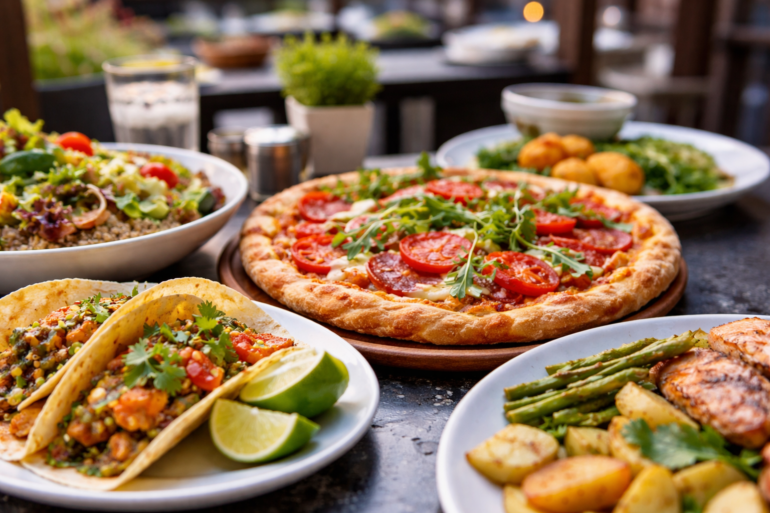
Finding Gluten Free Restaurants near you can feel simple at first. You open a map app, type in a few words, and a long list pops up. The harder part starts when you need to figure out which places are actually safe, which ones only offer a token gluten free option, and which restaurants understand the difference between a preference and a medical need.
That difference matters more than many people realize. For someone with celiac disease, even small amounts of gluten can trigger harm, and cross contact in a restaurant kitchen is a real issue. The good news is that eating out can still be enjoyable, convenient, and delicious when you know what to look for and how to ask the right questions. The goal is not just to find a meal without obvious bread or pasta. It is to find a place where you can relax a little and order with confidence.
Why finding the right gluten free restaurant matters
A lot of people assume gluten free dining is only about swapping wheat bread for a gluten free bun. In real life, it is much more detailed than that. A dish may look gluten free on the menu but still be exposed to gluten during prep, cooking, or plating.
According to the National Institute of Diabetes and Digestive and Kidney Diseases, experts estimate that about 2 million people in the United States have celiac disease, and about 1 percent of people worldwide are affected. NIDDK also notes that cross contact can happen when gluten free foods come into contact with foods containing gluten at any stage, including preparation and serving. That is why the safest Gluten Free Restaurants are the ones that treat kitchen procedures seriously, not just menu labels.
This is also why the best restaurants for gluten free dining often have something beyond a few modified dishes. They tend to have trained staff, clear ingredient knowledge, separate prep habits, and a process for handling special orders without confusion.
What “gluten free” really means in the real world
In the United States, the FDA says foods labeled gluten free must meet specific standards, including having less than 20 parts per million of gluten. That standard helps consumers with packaged foods, and it gives useful context when you are reading menus or asking questions. But restaurant meals are still more complex because kitchens are busy, shared spaces.
A packaged gluten free cookie from a reliable brand is one thing. A grilled chicken dish in a restaurant kitchen that also handles flour, soy sauce, breaded foods, and shared fryers is another. That does not mean restaurants are unsafe by default. It just means you should think beyond the label and pay attention to how the food is handled.
For many diners, the best approach is practical rather than fearful. Learn the common risk points, ask direct questions, and choose restaurants that answer clearly instead of vaguely.
How to search for Gluten Free Restaurants near me the smart way
When people look for restaurants, they often search by cuisine first. That can help, but it is usually better to search with intent. Start with terms that signal both location and safety.
Try searches like these:
- Gluten Free Restaurants near me
- celiac friendly restaurants near me
- dedicated gluten free kitchen near me
- gluten free breakfast near me
- gluten free pizza near me
- safe gluten free dining in your city name
This works better because not every restaurant that serves gluten free dishes is prepared for medically necessary gluten free dining. “Celiac friendly” and “dedicated kitchen” can sometimes surface stronger options.
It also helps to check the restaurant’s website before you go. Look for a dedicated gluten free menu, allergen information, staff training notes, or even a mention of cross contact procedures. A place that explains its process is usually more trustworthy than one that simply places a small GF symbol next to random dishes.
Signs a restaurant is probably a better gluten free option
Some restaurants make gluten free dining feel easy the moment you start reading the menu. Others make everything sound uncertain. That first impression often tells you a lot.
A stronger gluten free restaurant usually has:
- A separate gluten free menu or clear allergen labeling
- Staff who understand what gluten is and where it hides
- Willingness to check with the kitchen
- Knowledge about shared fryers, grills, and prep surfaces
- Simple dishes that can be prepared with fewer substitutions
- A manager or chef who can explain safety steps
A weaker option often sounds like this: “I think it should be fine,” or “You can just take off the croutons.” Those are red flags. Removing bread from a plate does not solve cross contact.
The National Celiac Association advises people to confirm ingredients and preparation methods each time they eat out, even at restaurants they have visited before. That is a helpful reminder because menus, staff, and kitchen routines can change.
Questions to ask before you order
If you feel awkward asking questions, you are not alone. Many people do, especially when dining with friends or during a busy lunch rush. Still, a few clear questions can save you from a bad experience.
Here are the most useful ones:
- Do you have a dedicated gluten free menu?
- Is this dish prepared in a separate area?
- Do you use a shared fryer for breaded items?
- Can the kitchen avoid cross contact for a gluten free order?
- Which sauces, marinades, or dressings contain wheat or barley?
- Can I speak with a manager or chef if needed?
These questions are not excessive. They are specific, practical, and easy for a trained restaurant to answer. In fact, restaurants that truly understand gluten free service usually appreciate direct communication because it prevents mistakes.
One helpful real world tactic is to keep your wording short. Instead of giving a long explanation, say something like, “I need a strictly gluten free meal, including safe preparation.” That makes the concern clear without turning the conversation into a lecture.
The biggest hidden risks in restaurant meals
The most frustrating part of eating out gluten free is that the risky ingredients are not always obvious. Bread, pasta, and flour tortillas are easy to spot. The hidden problem is usually somewhere else.
Soy sauce is a common example because it often contains wheat. So are soups, gravies, marinades, battered fries, salad dressings, and seasoning blends. Even oats can be an issue unless they are specifically gluten free and safe for the individual diner. NIDDK also warns that cross contact can occur during storing, preparing, and serving food, which is why a naturally gluten free ingredient is not automatically a safe restaurant meal.
Shared fryers are another major issue. French fries may look gluten free, but if they are fried in the same oil as breaded chicken or onion rings, they may no longer be safe for someone with celiac disease.
Then there is the toaster problem. Toasted gluten free bread in a toaster full of wheat crumbs is not truly gluten free. Beyond Celiac specifically recommends separate toasters or other safeguards to reduce cross contact.
Best restaurant types for gluten free dining
Not every cuisine is equally easy to navigate. Some restaurants are naturally more flexible because they use simple ingredients or build meals to order.
Steakhouses can be a good choice when the menu sticks to plain grilled meat, baked potatoes, vegetables, and simple salads. Mexican restaurants can work well too, especially when they rely on corn tortillas and understand which sauces and seasonings are safe. Mediterranean restaurants may offer grilled meats, rice, salads, hummus, and vegetable dishes that are easier to verify.
Breakfast spots can be mixed. Omelets, fruit, yogurt, and hash browns can be good options, but pancakes, toast stations, and shared griddles increase the risk. Pizza places vary widely. Some offer gluten free crust but warn about shared ovens and flour in the air. For highly sensitive diners, that may not be enough.
Dedicated gluten free bakeries and restaurants are often the easiest choice because the mental load is lower. You spend less time interrogating the menu and more time actually enjoying the meal.
How to use reviews without trusting them blindly
Online reviews can be helpful, but they should never be your only filter. One glowing review from someone who says “I’m gluten free and felt fine” does not tell you much about kitchen safety. Some diners are avoiding gluten by choice, while others need strict protection from trace exposure.
The most useful reviews mention details. Pay attention when someone says the restaurant has a dedicated fryer, knowledgeable staff, a separate gluten free menu, or a manager who confirmed prep procedures. Those specifics matter more than generic praise.
It also helps to scan recent reviews rather than older ones. Restaurant ownership, staff training, and menu design can change quickly. A place that handled gluten free dining well last year may be less careful today, or the opposite may be true.
Dining out while traveling
Travel makes gluten free dining trickier because you are dealing with unfamiliar restaurants, unfamiliar neighborhoods, and sometimes unfamiliar languages. Still, the same principles apply.
Research before you leave your hotel or start your road trip day. Save two or three backup options in case your first restaurant does not inspire confidence. If you are traveling internationally, a gluten free dining card can help you explain your needs clearly. The National Celiac Association specifically recommends carrying a gluten free dining card and researching local food customs in advance.
One of the smartest travel habits is eating earlier instead of later. When you arrive at a restaurant before peak rush, staff usually have more time to answer questions carefully and handle the order properly.
What to do when a restaurant seems unsure
Sometimes a restaurant is friendly but uncertain. The server wants to help, but the answers are vague. That is the moment to trust your instincts.
If the staff cannot confirm ingredients, does not know whether the fryer is shared, or treats cross contact like a minor detail, it is usually better to choose another place. This can feel inconvenient in the moment, but it is much easier than dealing with symptoms later.
You do not need to be dramatic about it. A simple, polite “Thanks, I do need a stricter option, so I’m going to pass today” is enough. Good restaurants understand that dietary safety is part of hospitality.
A simple way to judge a gluten free restaurant fast
When you are short on time, use this quick mental checklist:
| Question | Good Sign | Warning Sign |
|---|---|---|
| Is there clear gluten free labeling? | Dedicated menu or allergen chart | Random GF marks with no details |
| Does staff understand cross contact? | Immediate, confident answer | Confusion or guessing |
| Is there a shared fryer? | No, or clear unsafe items noted | “Not sure” |
| Can they modify the dish safely? | Kitchen confirms process | “Just remove the bread” |
| Are ingredients transparent? | Sauces and marinades explained | Hidden ingredients not checked |
This kind of quick check helps you move from guesswork to a more informed decision. It also keeps the process from becoming overwhelming.
How to enjoy eating out without constant stress
There is a point where gluten free dining can start to feel like homework. That is understandable, especially if you have been sick before from a restaurant meal. But confidence usually grows with repetition.
Start with restaurants that make things easy. Order simpler dishes. Go at quieter hours. Keep a short list of trusted local spots. Once you find two or three reliable places, eating out becomes much more manageable.
It also helps to stop chasing “normal” restaurant experiences. The goal is not to order anything on the menu and hope for the best. The goal is to find places that respect your needs and still serve food you genuinely enjoy.
For many people, that shift in mindset makes a huge difference. You stop feeling deprived and start feeling selective.
Final thoughts on finding Gluten Free Restaurants
The search for good Gluten Free Restaurants is really a search for clarity, consistency, and care. Safe dining is not just about whether a menu has gluten free items. It is about whether the restaurant understands ingredients, cross contact, and the responsibility that comes with serving someone who needs a truly gluten free meal.
Once you know what to look for, the process gets easier. Ask direct questions, pay attention to how staff respond, choose simpler dishes when needed, and keep track of restaurants that earn your trust. Over time, you build your own reliable map of places where eating out feels less stressful and much more enjoyable.
A little preparation goes a long way, and so does learning the language of safe dining. That is especially true if you are living with celiac disease or serious gluten sensitivity. The more informed you are, the easier it becomes to find meals that are both safe and satisfying. For broader background on celiac disease, it helps to understand why strict gluten avoidance matters so much in everyday life.
FAQ
How do I know if a gluten free restaurant is actually safe?
Look for more than a label. A safer restaurant usually has informed staff, clear allergen procedures, and answers about prep methods, fryers, and sauces without hesitation.
Are gluten free menu items always safe for celiac disease?
Not always. A dish may use gluten free ingredients but still be exposed to gluten through shared equipment or prep surfaces.
What is the biggest restaurant risk for gluten free diners?
Cross contact is one of the biggest risks, especially with shared fryers, toasters, cutting boards, and sauces containing hidden gluten.
Should I ask questions every time I visit the same restaurant?
Yes. The National Celiac Association advises confirming ingredients and preparation each time because staff, suppliers, and kitchen practices can change.