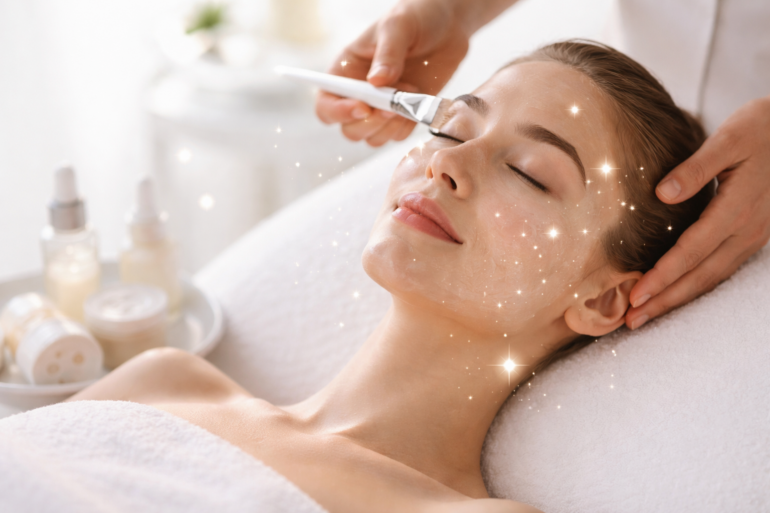
There is a reason Star Facial keeps showing up in skincare conversations, spa menus, and beauty content. People are drawn to treatments that promise fresher, brighter, smoother-looking skin without the downtime of more aggressive procedures. That is exactly where Star Facial fits in. It sounds glamorous, but the real appeal is practical: many people want visible glow, gentle resurfacing, and a polished look before events, photos, or just everyday life.
What makes Star Facial interesting is that it is not one single universal medical procedure. In real-world use, the name is often used for a premium salon or spa facial designed to boost radiance, hydration, and skin smoothness. In some clinics and spas, it may also refer to a branded treatment such as Guinot Hydradermie, which is sometimes marketed as a “star facial” because of its focus on cleansing, hydration, oxygenation, and customized active ingredients. That matters because the name sounds specific, but the actual steps can vary from one provider to another.
So when people ask whether Star Facial is worth the attention, the most honest answer is this: it can be, but only when you understand what is actually being done to your skin. The treatment itself may include cleansing, exfoliation, steam, extractions, massage, a mask, hydration-focused serums, or technology such as galvanic current, LED, or other noninvasive add-ons depending on the spa. A good Star Facial is less about the label and more about the method, the ingredients, the provider’s judgment, and how well the session matches your skin type.
What Is a Star Facial, Really?
The phrase Star Facial is best understood as a luxury, results-focused facial rather than a tightly regulated clinical term. In many settings, it points to a facial that aims to leave skin looking camera-ready, rested, and more refined in texture. That usually means hydration, mild exfoliation, better product absorption, and a short-term glow that can be obvious right after treatment.
Some versions of Star Facial lean heavily into relaxation, using massage and masks to make skin look more revived for a day or two. Others are more performance-focused and include stronger exfoliating acids, extractions, microcurrent, or machine-assisted infusion of active ingredients. That is why one person may describe Star Facial as deeply soothing, while another talks about it like a high-end glow treatment before a wedding or media event.
This difference is important because expectations need to stay realistic. A Star Facial can absolutely improve hydration, surface smoothness, and overall brightness, but it is not automatically the same as medical treatments used for acne scarring, deeper wrinkles, or significant pigment problems. Procedures like microneedling, chemical peels, and laser resurfacing are separate interventions with different goals, stronger effects, and different risk profiles.
Why Star Facial Is Getting So Much Attention
One reason Star Facial is getting attention is timing. Modern skincare culture is obsessed with treatments that can make skin look refreshed without demanding a week of peeling or visible recovery. People want something that sits between basic home care and more serious cosmetic procedures. Star Facial often lands right in that middle space.
Another reason is that the treatment sounds premium without sounding intimidating. “Laser resurfacing” or “chemical peel” can make some people nervous. Star Facial sounds softer, more luxurious, and more approachable, even when the actual treatment includes fairly active exfoliation or device-based steps. That branding matters in a world where many clients are looking for visible results but still want a relaxing experience.
The social media effect also plays a role. Glow photographs well. Smooth, hydrated skin photographs well. A polished post-facial finish can make people feel that something major happened, even when the improvement is mainly at the level of hydration, light exfoliation, and temporary radiance. That does not make the results fake. It just means the most immediate benefits of Star Facial are often cosmetic and surface-level rather than dramatic structural change.
There is also a real skincare logic behind the interest. Dermatology guidance consistently points back to a few basics that improve how skin looks over time: gentle cleansing, moisturizer, sun protection, and avoiding unnecessary irritation. A well-done Star Facial usually works best when it supports those basics rather than trying to overpower them. Healthy-looking skin is rarely the result of one flashy session alone. It is usually the combination of good daily habits and occasional professional care.
What Usually Happens During a Star Facial
A typical Star Facial starts with cleansing. This removes sunscreen, oil, makeup, and surface debris so the provider can see the skin more clearly. Then comes some form of exfoliation. That may be gentle enzyme exfoliation, a low-strength acid, light manual exfoliation, or another method depending on the treatment style and the client’s tolerance.
After that, the facial may include steam and extractions, although not every provider uses both. Extractions can help with visible congestion, but they should be done carefully. Rough handling can irritate skin and leave marks, especially if your barrier is already compromised or your skin is reactive.
The middle part of a Star Facial is where treatment menus start to differ. Some sessions focus on hydration and calming ingredients. Others add machine-based infusion, oxygenation-style steps, microcurrent, or LED. Branded versions such as Hydradermie are often promoted around deep cleansing and improved absorption of active ingredients tailored to the skin’s needs.
The session usually ends with a mask, moisturizer, and sun protection. That last step matters more than many people realize. Dermatologists emphasize daily broad-spectrum SPF 30 or higher because sun exposure drives visible aging, uneven tone, and irritation, and it becomes even more important when skin has just been exfoliated or treated.
The Benefits People Notice First
The first thing people usually notice after a Star Facial is glow. Skin often looks fresher because dead surface cells have been loosened, hydration has been boosted, and the finish is smoother. That can make pores look softer, makeup sit better, and the face appear more rested.
Texture is the second big benefit. Even light exfoliation can make roughness feel less obvious for a while. Dermatology sources note that exfoliation and well-chosen masks can improve the look and feel of skin when they are matched properly to skin type and not overdone.
Hydration is another reason Star Facial gets positive reactions. When skin is dehydrated, everything can look worse: fine lines show up more clearly, tone looks duller, and the overall complexion feels tired. A treatment that combines cleansing, mask use, humectants, and moisturizer can temporarily make skin appear plumper and calmer. Moisturizers themselves play a real role in supporting the skin barrier, which is one reason post-facial softness can feel so satisfying.
For some clients, Star Facial also becomes a reset. It gives them one appointment where someone actually looks at the skin and tells them what to stop doing. That alone can be valuable. A lot of irritation comes from layering too many active products, scrubbing too hard, or chasing trends that do not fit the skin’s actual needs.
What Star Facial Cannot Realistically Do
This is where expectations need to stay grounded. A Star Facial can make skin look brighter, cleaner, and more hydrated. It can sometimes improve the appearance of very mild congestion or uneven texture. But it is not a cure-all.
If your main concern is deep acne scarring, pronounced wrinkles, serious melasma, or long-standing pigmentation, a regular Star Facial may not create the level of change you want. Those concerns often need more targeted treatment from a dermatologist or trained medical professional. Microneedling, for example, is a minimally invasive procedure used for issues such as acne scars and wrinkles. Chemical peels and laser resurfacing also have a more established role for selected pigment and texture concerns, but they come with stronger aftercare needs and more risk than a spa facial.
It also cannot replace a routine. The biggest disappointment with Star Facial usually happens when someone expects one session to undo months of poor barrier care, skipped sunscreen, harsh scrubs, or random product mixing. Professional treatment can help, but your daily habits still decide most of the long-term outcome.
Is Star Facial Safe for Everyone?
Not automatically. A well-designed Star Facial can be safe for many people, but safety depends on skin type, ingredients, treatment intensity, and provider skill. Sensitive skin, rosacea-prone skin, active acne, eczema, barrier damage, recent retinoid irritation, and darker skin tones with a tendency toward post-inflammatory hyperpigmentation all deserve extra caution.
This is especially important when the facial includes aggressive exfoliation, peels, friction, or strong extractions. The American Academy of Dermatology advises that exfoliation should match skin type and warns that stronger methods can irritate sensitive or acne-prone skin. It also notes that scrubbing irritates skin, which is something many facial clients do not realize when they equate intensity with effectiveness.
People with deeper skin tones should be particularly careful with harsher procedures performed casually or without proper expertise. Mayo Clinic notes that chemical peels can lead to hyperpigmentation or hypopigmentation, and these risks are more common in brown or black skin. The AAD also cautions that some at-home or improperly chosen procedures can leave lasting marks in darker skin.
That does not mean Star Facial is a bad idea for these skin types. It means customization matters. A gentler Star Facial focused on cleansing, hydration, and barrier support may be a much better fit than an aggressive one trying to do too much in one sitting.
How to Know If a Star Facial Is Worth Booking
The best Star Facial providers can explain the treatment clearly in plain language. They do not hide behind vague luxury words. They tell you what exfoliant they use, whether extractions are included, what device is involved, what the likely downtime is, and who should avoid the treatment.
That clarity is a very good sign. If a spa cannot tell you what is actually happening during a Star Facial, be careful. A beautiful treatment room is not the same thing as a thoughtful treatment plan.
You should also think about timing. If your goal is event prep, a Star Facial may be most useful a few days before the occasion rather than right before it, especially if your skin is unpredictable. That gives any redness a chance to settle while still letting you keep the brightness and smoothness benefit.
If your goal is acne control, pigment reduction, or anti-aging, the better question is not whether Star Facial is trendy. The better question is whether the exact version being offered matches your skin problem. Sometimes the answer will be yes. Sometimes a dermatologist consultation would be smarter.
Simple Aftercare That Protects Your Results
After a Star Facial, your skin often looks best when you do less, not more. Use a gentle cleanser, a basic moisturizer, and sunscreen. Avoid the urge to pile on acids, retinoids, scrubs, or strong spot treatments immediately afterward unless your provider tells you otherwise.
This approach fits with mainstream dermatology advice. Gentle cleansing helps avoid irritation, moisturizer supports barrier recovery, and daily sunscreen protects the fresh-looking result you just paid for. Research on skin barrier repair also shows that delayed recovery can increase the risk of persistent redness, pigment changes, acne, and other complications after procedures.
A good rule is simple: if your skin feels a little tender, treat it like it is. Do not punish it with harsh actives just because it looks polished.
Common Questions Readers Usually Have
How long do Star Facial results last?
Most people notice the visible glow of a Star Facial for a few days to about a week, sometimes longer if their skin was mainly dry or dull to begin with. The smoother feel may last a bit longer when the treatment includes mild exfoliation and consistent aftercare. Long-term improvement depends much more on your routine than on the treatment name.
Can Star Facial help acne?
A Star Facial may help mild congestion and improve the surface look of skin, but it is not the same as medical acne treatment. If the facial is too harsh, it can actually irritate acne-prone skin. That is why ingredient choice and technique matter so much.
Is Star Facial okay for sensitive skin?
It can be, but only when the version of Star Facial is genuinely gentle. Sensitive skin usually does better with minimal friction, cautious exfoliation, fragrance awareness, and strong barrier support rather than aggressive treatment steps.
Is Star Facial better than a regular facial?
Sometimes yes, sometimes no. If Star Facial means a more customized, well-executed treatment with better techniques or technology, it may feel more effective than a basic facial. But if it is just a luxury label on an ordinary service, the difference may be mostly marketing.
Final Thoughts on Why Star Facial Keeps Getting Attention
The reason Star Facial keeps getting attention is actually pretty simple. It sits in the sweet spot between beauty and practicality. It feels luxurious, but it also speaks to a real desire for smoother, brighter, more polished skin without major downtime. That makes Star Facial especially appealing to people who want visible freshness, event-ready radiance, and a treatment that feels special without crossing into more intimidating territory.
At the same time, the smartest way to think about Star Facial is not as a miracle, but as a customizable category of premium facial care. The name alone does not tell you enough. What matters is the actual treatment steps, the provider’s experience, the intensity of exfoliation, and whether your skin can tolerate what is being offered. A thoughtful Star Facial can be a great fit for dullness, dehydration, and short-term glow. It is simply not a substitute for consistent skincare, daily SPF, or proper treatment of more complex skin conditions. For readers interested in the broader history of professional facial treatments, the concept has been part of beauty culture for a long time, even as the terminology keeps evolving.
If you approach Star Facial with realistic expectations, ask the right questions, and support the results with gentle skincare afterward, it makes sense why this treatment is getting so much attention. In the right hands, Star Facial can deliver exactly what many people are actually looking for: skin that looks fresher, calmer, and more luminous without feeling overtreated.