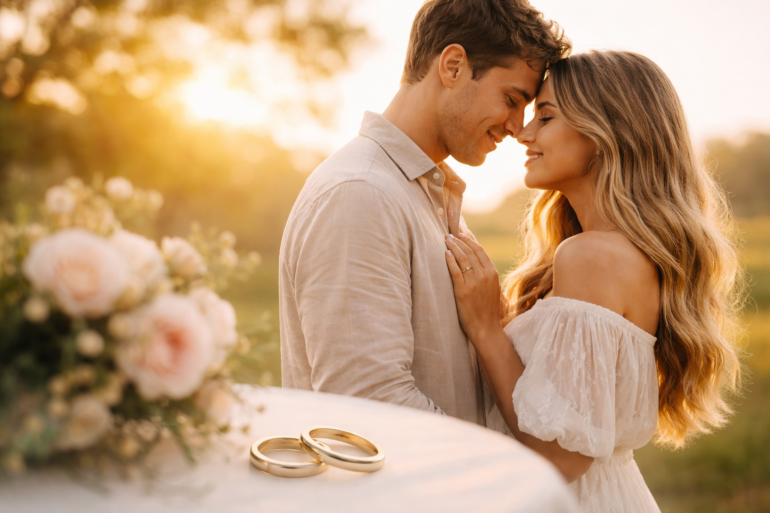
Engagement Photos are more than a box to check before the wedding. They capture a season that feels exciting, slightly unreal, and deeply personal all at once. For many couples, this is the first professional photo session they do together, which is exactly why it matters so much.
The best Engagement Photos do not look stiff, overly posed, or overly polished. They feel like two people in their real rhythm, just with better light, a thoughtful setting, and a photographer who knows how to bring out genuine connection. If you want images that feel romantic without looking forced, the secret is not chasing perfection. It is choosing ideas, outfits, locations, and moments that feel true to you.
That is where many couples get stuck. They save dozens of images, love the look of natural couple photography, and then wonder how to turn inspiration into pictures that still feel like their own story. The answer usually comes down to a few smart decisions: timing, styling, movement, location, and comfort. Wedding planning resources often recommend doing engagement sessions about four to six months before the wedding, especially if you want the photos ready for save the dates, invitations, or wedding websites. Soft light near sunset is also widely favored because it is more flattering and relaxed than harsh midday light.
If your goal is natural, romantic shots, you do not need a dramatic concept or a luxury setting. You need a session that reflects how you actually laugh, talk, move, and connect. That is what makes the final gallery feel timeless instead of trendy.
Why Engagement Photos Matter More Than Couples Expect
A lot of people think engagement sessions are mostly for social media or wedding stationery. They can be useful for both, but their real value goes deeper.
They help you get comfortable in front of the camera before the wedding day. That matters more than most couples realize. By the time your wedding arrives, you already know how your photographer works, what angles feel natural, and how to settle into the moment instead of worrying about where to put your hands. Wedding planning experts consistently position engagement sessions as both a practical rehearsal and a chance to create images for pre wedding uses.
These photos also document a very specific chapter of your relationship. Your wedding day has its own energy, pace, and formality. Engagement Photos can feel quieter, softer, and more personal. They often show who you are as a couple in a way wedding portraits cannot.
That is why the strongest sessions are not built around copying someone else’s poses. They are built around your chemistry, your comfort level, and the mood you want the photos to carry.
What Makes Engagement Photos Look Natural and Romantic
Natural does not mean random. Romantic does not mean exaggerated. The sweet spot sits in the middle.
A natural session usually has movement. Instead of standing still and smiling at the lens for an hour, you walk, talk, lean in, laugh, brush hair back, hold hands, and respond to each other. Recent posing advice from working engagement photographers also emphasizes motion and partner interaction because couples tend to relax after the first few minutes once attention shifts away from the camera.
Romantic photos, meanwhile, depend on atmosphere. Soft light helps. A meaningful location helps. A calm pace helps. So does choosing clothes that make you feel attractive without making you feel like you are dressed as someone else.
When all of those elements come together, the images feel easy. That effortless feeling is usually carefully planned, but it should never look that way in the final result.
Start With a Session Concept That Feels Personal
Before you think about poses, think about mood. Ask yourselves a few simple questions.
Do you want the session to feel elegant, playful, cozy, outdoorsy, urban, editorial, or relaxed? Do you picture yourselves barefoot on a beach, walking through a city at sunset, sitting on a picnic blanket in a park, or dressed up for a rooftop evening shoot?
The answer becomes your visual direction.
Here are a few creative directions that usually work beautifully for Engagement Photos:
Everyday romance
This is ideal for couples who want images that feel warm and real. Think coffee shop corners, a favorite bookstore, a neighborhood walk, cooking together at home, or a simple picnic at golden hour. This type of session feels intimate because it is based on familiar rituals.
Nature inspired romance
Fields, beaches, gardens, mountain overlooks, lakesides, and tree lined trails remain popular for a reason. They give the images softness, depth, and natural color. They also pair perfectly with candid movement and quiet moments.
City love story
For couples who love clean lines, architecture, and a modern feel, a downtown session can look incredible. Sidewalk cafés, historic streets, rooftop views, and evening lights create a chic backdrop without making the photos feel cold.
Styled but still personal
You can absolutely lean a bit editorial if that suits your taste. The trick is grounding it in real connection. A dressier outfit, a classic car, champagne, or a beautifully chosen venue can elevate the gallery, but the images still need warmth.
The Best Time to Take Engagement Photos
Timing shapes the entire look of your session.
Most professionals strongly prefer late afternoon or early evening, especially near golden hour. That softer light flatters skin, adds warmth, and creates dimension without harsh shadows. Several photography sources also note that beginning roughly one to two hours before sunset gives photographers time to work in changing light while keeping the session relaxed.
Morning sessions can also be beautiful, especially in quieter locations like beaches, gardens, or city centers before they get crowded. The mood is usually lighter and calmer.
Midday is usually the hardest time for natural, romantic photos because bright overhead sun can create strong shadows and make couples squint. It is not impossible, but it requires more strategy with shade and location.
Season matters too. Spring brings softness and blooms. Summer offers longer evenings and glowing light. Fall gives you color and texture. Winter can be stunning if you embrace layers, mood, and a quieter palette.
The best season is the one that fits your personality and schedule, not just the one trending online.
Choosing a Location That Adds Emotion
Location is not just background. It changes the mood of every frame.
The strongest places are usually meaningful, visually balanced, and easy to move through. Wedding and photography planning sources consistently point out that location drives vibe, color, texture, and how naturally couples interact during the session.
A meaningful location could be where you had your first date, where you walk together on weekends, or a part of the city that feels like your relationship. A visually balanced location gives your photographer variety without too much clutter. Easy movement matters because natural photos often come from walking, turning, sitting, and interacting instead of freezing in one place.
Some of the most reliable location ideas include:
- Open fields at sunset for dreamy light and motion
- Botanical gardens for texture and color
- Beaches for a light, relaxed, windswept feel
- Historic districts for elegance and structure
- Cozy home sessions for intimate storytelling
- Downtown streets for modern romance
- Mountain or trail locations for adventurous couples
A common mistake is choosing a place only because it looks impressive online. A better approach is choosing a location that supports the feeling you want in the images.
What to Wear for Engagement Photos Without Looking Overstyled
Outfits can make or break the balance between polished and natural.
The best engagement photo outfits do three things at once. They flatter you, coordinate with the setting, and allow movement. Fashion and photography sources commonly recommend solid colors, comfortable fits, and a mix of polished and relaxed looks instead of overly busy patterns or clothes that feel unfamiliar. Some also suggest bringing two or three outfits if your session allows for a little variety.
That does not mean you need to dress in matching neutrals unless that is genuinely your style. It means your clothes should work together rather than compete for attention.
A few practical rules help:
- Choose colors that complement each other instead of matching exactly
- Avoid loud logos and overly busy prints
- Wear something you can move, sit, walk, and laugh in comfortably
- Dress one step more polished than everyday life, not five steps
- Think about the location palette so your outfits do not disappear into it
For example, a beach session works beautifully with airy fabrics, soft tones, and movement. A city session can handle sharper silhouettes and stronger contrast. A fall field session often looks great with texture, layers, and earthy shades.
Footwear matters too. If your shoes are uncomfortable, it shows in your body language.
Creative Ideas for Natural, Romantic Shots
This is where couples often want inspiration but fear looking cheesy. The key is choosing prompts that create interaction, not awkward posing.
Here are creative session ideas that consistently translate into beautiful Engagement Photos.
Walk and talk
This sounds simple because it is. Walking hand in hand, talking, and occasionally glancing at each other gives the photographer real movement and honest expressions. It is one of the easiest ways to start a session.
Bring one personal prop
A bouquet, blanket, vintage camera, bicycles, pizza box, record player, or coffee cups can add story without taking over the frame. Use props lightly. They should support the mood, not become the whole concept.
Include a touch of motion
Spin slowly. Sway together. Tuck hair behind an ear. Reach for a hand. Movement makes photos feel alive, and it helps camera shy couples forget they are posing.
Sit close instead of standing apart
Sitting on steps, a bench, a picnic blanket, or even the hood of a car can bring your faces and hands into natural positions. Physical closeness often creates a softer emotional tone.
Focus on micro moments
A forehead touch. A private joke. Looking at the ring for a second. Resting your head on a shoulder. These little gestures often become the most loved images in the gallery.
Use the environment
Lean against a doorway. Walk through tall grass. Stand under string lights. Sit at the edge of a dock. Let the setting do some of the storytelling.
Build a mini date into the session
A meaningful activity can completely change the energy. Share dessert, browse flowers at a market, play with your dog, or revisit a favorite spot. The photos become less about performance and more about presence.
Poses That Do Not Feel Like Poses
Most couples say the same thing before a session. We are awkward in photos.
That fear is normal, and it is exactly why natural posing matters. Recent posing advice from engagement photographers notes that most couples relax after the first five to ten minutes when prompts are based on connection and movement instead of rigid instructions.
The best poses are really prompts:
“Walk toward me slowly and talk about your favorite vacation.”
“Hold each other and take one deep breath.”
“Whisper something ridiculous.”
“Brush her hair back and look at her, not me.”
“Start walking, then stop and pull each other in.”
Those prompts create expressions that feel lived in. They also reduce the stiff feeling that happens when people try too hard to hold a perfect smile.
If you are especially camera shy, tell your photographer early. A good one will build the session around motion, conversation, and reassurance.
How to Prepare for a Stress Free Session
Beautiful photos start before the camera comes out.
A little prep goes a long way. Make sure outfits are chosen in advance, shoes are broken in, haircuts are not too fresh, and timing is realistic. Engagement planning guides also stress reading prep notes carefully, leaving enough travel time, and arriving without feeling rushed so the session starts calmly.
A few practical habits help more than people expect:
- Eat beforehand so no one gets irritable
- Bring water if the weather is warm
- Pack comfortable shoes if the location requires walking
- Bring simple touch up items like powder, lipstick, or a brush
- Share inspiration with your photographer, but do not overload the session with a shot list
- Build extra time into your day
One of the best mindset shifts is remembering that not every second has to feel natural in order for the photos to look natural. It often takes a little warming up. That is completely normal.
Common Mistakes That Make Photos Feel Forced
Sometimes the problem is not the location or the outfits. It is the pressure.
Couples often arrive believing they need to perform romance for the camera. That almost always creates tension. Natural, romantic photos work best when you focus on each other instead of trying to look photogenic every second.
Other common mistakes include choosing outfits that are trendy but uncomfortable, picking a crowded location without considering timing, or trying to recreate highly specific inspiration images that do not suit your personality.
Another issue is overcomplicating the session. You do not need six props, three dramatic outfit changes, and a long list of poses. Simplicity usually feels more expensive, more confident, and more timeless.
How to Make the Photos Feel Like Your Story
The most memorable Engagement Photos usually include at least one detail that is unmistakably yours.
Maybe you include your dog because it is part of your daily life. Maybe you shoot at the little restaurant where you met. Maybe you wear something your partner genuinely loves seeing you in. Maybe the session ends with sunset at the beach because that is your favorite way to spend time together.
Those details create emotional texture. They also help the images stand apart from hundreds of beautiful but interchangeable sessions online.
That does not mean every frame needs a storyline attached to it. It means the overall gallery should feel recognizable to you. When you look back years later, you should still see yourselves in it.
Real World Example of a Strong Session
Imagine a couple who says they are awkward in front of cameras and do not want anything too staged.
Instead of booking a flashy venue, they choose a quiet neighborhood garden and a nearby café where they regularly spend Sunday mornings. They start the session one and a half hours before sunset, wearing coordinated but not matching outfits. One look is dressy casual. The second is more relaxed.
The photographer begins with walking shots in the garden, then moves into seated moments on a bench, then captures them sharing coffee and laughing outside the café. There are no dramatic props and no complicated poses. Just good light, gentle direction, and real interaction.
That gallery will almost always feel more romantic than one built around overly elaborate styling with no emotional anchor.
FAQs About Engagement Photos
How long do Engagement Photos usually take?
Most sessions run between one and two hours, depending on location changes, outfits, and light. That is usually enough time to get comfortable and create variety without making the session feel exhausting.
When should you schedule Engagement Photos before the wedding?
A common recommendation is around four to six months before the wedding, especially if you want to use the images for save the dates or wedding materials.
What colors look best in Engagement Photos?
Soft neutrals, earthy tones, jewel tones, and solid colors often photograph beautifully. The best choice depends on your location, skin tones, and the mood you want.
Should you bring props?
Yes, but only if they feel natural to your story. One or two thoughtful props can add personality. Too many can distract from the connection between you.
What if one partner hates photos?
That is more common than people think. The solution is a photographer who gives movement based prompts, keeps the pace relaxed, and focuses on interaction rather than rigid posing.
Conclusion
The best Engagement Photos are not about looking like a model couple. They are about creating space for real connection, then letting light, movement, styling, and place do their work. When the session feels honest, the images feel romantic. When the planning is thoughtful, the final gallery feels effortless.
So if you want photos that still feel beautiful years from now, start with what is real. Choose a location that means something, wear outfits that feel like you at your best, trust soft light, and focus more on each other than on the lens. That is usually where the magic lives.
In the last moments of the session, it can even be lovely to capture a quiet close up of the engagement ring and a few unhurried frames where you forget the camera is there. Those are often the images couples return to most because they hold both style and feeling in the same frame.
Your Engagement Photos do not need to be perfect to be unforgettable. They just need to feel like your love story, honestly told and beautifully seen.