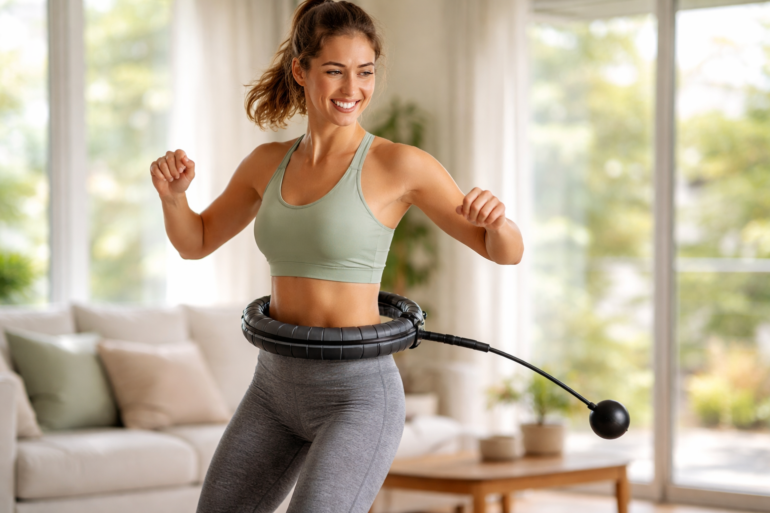
If you want a workout that feels less like a chore and more like something you might actually stick with, Hula Rope deserves a serious look. It blends rhythm, movement, and steady effort in a way that can make exercise feel lighter without making it ineffective. For many people, that is the difference between starting a fitness habit and keeping one.
What makes Hula Rope especially appealing is how approachable it feels. You do not need a full home gym, a complicated program, or a long learning curve to get moving. With a bit of space and a few focused sessions each week, Hula Rope can support core engagement, raise your heart rate, improve coordination, and help you build a more active daily routine. Public health guidance from the CDC and WHO continues to emphasize regular aerobic activity and muscle strengthening for long-term health, and enjoyable movement options tend to be easier to repeat consistently.
What Is Hula Rope in a Fitness Context?
In everyday use, people often use Hula Rope to refer to a hoop-based fitness tool or a modern weighted hoop workout that keeps the body moving in a circular pattern around the waist or hips. The appeal is simple. It turns repetitive cardio into a more playful, rhythmic motion that many beginners find less intimidating than machines or high-impact classes.
That matters more than it may seem. A workout does not have to be miserable to count. Aerobic exercise is defined by repeated movement of large muscle groups that raises heart rate and increases oxygen use, and Hula Rope fits naturally into that category when performed continuously.
Why Hula Rope Stands Out in Everyday Fitness
There are plenty of workouts that promise fast results. Most of them lose people within a week because they are boring, too hard, too technical, or too demanding on the joints. Hula Rope sits in a more practical lane.
It can be done at home. It does not require much equipment. It works well for short sessions. And for people who struggle to stay engaged during traditional cardio, the built-in rhythm gives the mind something to follow. That sense of flow can make a 10 to 20 minute session feel much more manageable than a treadmill workout of the same length.
There is also a strong behavior piece here. Exercise routines become sustainable when they fit real life. The CDC notes that adults can break activity into smaller chunks across the week, which makes tools like Hula Rope useful for people who do not have an uninterrupted hour to train.
Hula Rope and Core Strength
One of the biggest reasons people try Hula Rope is the core benefit. The motion requires constant stabilization through the midsection. Your abs, obliques, lower back, hips, and muscles around the pelvis all work together to control posture and maintain rhythm.
That does not mean Hula Rope is magic or that it replaces every other core exercise. It means it adds a dynamic type of core work that many people miss. Instead of lying on the floor doing isolated repetitions, you are training the body to stabilize while moving. Mayo Clinic describes the core as the muscles around the abdomen, back, and pelvis, and notes that strong core muscles make many physical activities easier.
This is where Hula Rope becomes more useful than it looks. A stronger core is not only about appearance. It affects posture, movement quality, and how efficiently your body handles daily tasks. When you practice controlled circular movement, you are reinforcing body awareness along with muscular endurance.
A systematic review on core training also found that core-focused training can improve balance and other performance variables, which helps explain why many people feel more stable and coordinated after consistent practice.
Can Hula Rope Help Build Visible Abs?
This is where honesty matters. Hula Rope can help strengthen the muscles around your midsection, but it does not selectively melt fat from one area. Spot reduction claims sound appealing, but body fat loss happens through overall energy balance, nutrition, sleep, and total activity.
What Hula Rope can do is support that bigger process. It helps you move more, burn calories, and stay consistent with cardio. Over time, that contributes to the conditions that make body composition changes possible. If your goal is a leaner waistline, Hula Rope is useful, but it works best as part of a broader routine rather than as a single miracle fix. The CDC and American Heart Association both frame physical activity as part of broader health management that includes weight, blood pressure, stress, and metabolic health.
Hula Rope as Cardio
This is where the workout becomes more interesting. Hula Rope is not only about the core. When you keep the motion going for several minutes, it becomes a cardio session too.
Aerobic activity raises your heart rate and breathing rate in a sustained way. The American Heart Association notes that this kind of exercise improves cardiorespiratory fitness, and Cleveland Clinic describes aerobic exercise as rhythmic, repetitive activity that uses large muscle groups. Hula Rope checks those boxes when practiced continuously with enough effort.
For people who dislike running, that can be a big win. Hula Rope offers a lower-barrier way to get the body moving without the mental drag that often comes with more repetitive cardio. It is especially useful on days when motivation is low but you still want to do something that counts.
Calories Burned During a Hula Rope Workout
Calorie burn depends on body weight, workout intensity, technique, and session length. Still, available research gives a helpful reference point. Mayo Clinic Sports Medicine notes that women can burn about 165 calories in 30 minutes of hula hooping and men about 200 in the same period. Research highlighted by ACE found an average of roughly 7 calories per minute, or about 210 calories in 30 minutes, during a hooping workout.
That does not mean every Hula Rope session will hit the same number. A slow, stop-and-start beginner session will not feel like a vigorous continuous workout. But it does show that this style of movement can be more than just light activity. Done with intention, it can compete with other familiar cardio formats.
The bigger point is not the exact number. The bigger point is adherence. A workout that burns a reasonable number of calories and actually gets repeated week after week is far more valuable than the perfect workout that rarely happens.
Hula Rope and Daily Fitness Habits
Daily fitness is not built through occasional bursts of motivation. It grows through small, repeatable actions. That is why Hula Rope fits so well into modern routines.
You can use it in the morning to wake up the body. You can do 10 minutes between work blocks. You can add it after a walk when you want a little extra sweat without setting up a full workout. This flexibility makes it easier to accumulate meaningful activity across the week, which aligns with CDC guidance that physical activity can be broken into manageable pieces.
There is also a psychological benefit that should not be ignored. When a workout feels accessible, the resistance to starting goes down. Hula Rope often becomes the kind of session people do even when they do not feel like exercising, and that consistency matters more than intensity spikes.
Benefits of Hula Rope for Balance and Coordination
A surprising number of people come to Hula Rope for fat loss and end up appreciating it for balance. The circular motion demands timing, posture control, and weight shifting. That combination trains coordination in a practical way.
Cleveland Clinic notes that jump rope can improve coordination and balance because it requires timing and communication between hands, feet, and brain. Hula Rope involves a different pattern, but the same principle of rhythm-based coordination applies. Research on balance and coordination training also shows that these programs challenge multiple systems at once, including musculoskeletal and sensory control.
This matters in real life. Better coordination can improve how you move during other workouts, how stable you feel during daily activity, and how quickly you pick up new movement skills. For beginners who feel clumsy during exercise, Hula Rope can become a gentle way to build confidence.
Hula Rope and Posture
Many adults spend long hours sitting, which tends to leave the hips tight, the midsection underused, and posture a little lazy. Hula Rope is not a cure for all of that, but it can help reintroduce active trunk control.
Because you have to stay upright and adjust continuously, you become more aware of pelvic position, ribcage alignment, and weight distribution. Over time, that awareness can carry into everyday movement. A stronger core also supports posture because the muscles around the spine and pelvis play a major role in stabilization.
The key word here is awareness. Hula Rope teaches you to feel what your body is doing while it moves. That is often missing from sedentary routines.
Is Hula Rope Good for Weight Loss?
Yes, but with realistic expectations. Hula Rope can support weight loss by increasing total daily movement, improving cardio fitness, and helping you maintain a calorie deficit when paired with sensible nutrition. It is an effective tool, not a shortcut.
Weight loss does not happen because one product targets belly fat. It happens because your routine becomes more active and more sustainable. That is where Hula Rope shines. It lowers the barrier to entry and makes it easier to stay consistent. WHO states that regular physical activity supports the prevention and management of chronic disease and improves overall well-being, while the American Heart Association connects regular movement with weight control, better blood sugar, and lower stress.
For someone who has struggled to stay active, this is not a small thing. A fun, repeatable workout can be more effective over six months than an aggressive plan that burns out in ten days.
A Simple Beginner Approach to Hula Rope
The smartest way to start is not to force long sessions. Begin with short, controlled rounds and focus on rhythm before intensity.
A practical starting point looks like this:
- 5 minutes of easy warm-up movement
- 30 to 60 seconds of Hula Rope work
- 30 to 60 seconds of rest
- Repeat for 10 to 15 minutes
- Finish with gentle stretching for the hips, waist, and lower back
That format gives you enough practice time without pushing technique to the point where movement gets sloppy. Over time, you can increase the work periods, reduce the rest, and build toward continuous sessions.
How Often Should You Do Hula Rope?
For most beginners, three to five sessions per week is a reasonable starting range. That is frequent enough to build skill and fitness without creating unnecessary soreness.
You do not need to do it every day unless you genuinely enjoy it and recover well. The CDC recommends at least 150 minutes of moderate-intensity aerobic activity each week, plus muscle-strengthening work on two or more days. Hula Rope can contribute to the aerobic side of that target, while strength training should still be included separately for a more complete routine.
That last part is important. Hula Rope is useful, but a balanced fitness plan still benefits from walking, resistance training, mobility work, and adequate recovery.
Common Mistakes That Reduce Hula Rope Results
A lot of people quit too early because they assume they are bad at it. Usually, the problem is not a lack of ability. It is one of a few very common setup issues.
The first mistake is trying to go too fast right away. Hula Rope works better when you find a controlled rhythm before increasing speed. The second mistake is tensing the entire body. You want the midsection engaged, but the rest of the movement should stay smooth. The third is expecting nonstop performance on day one. Most beginners need brief rounds before they develop flow.
Another common issue is relying only on Hula Rope while ignoring everything else. If your goal includes body composition change, strength, or better endurance, your results improve when Hula Rope is part of a wider routine rather than the whole routine.
Hula Rope vs Traditional Cardio
This is not a battle where one method wins everything. It is more about matching the tool to the person.
Walking is easy, accessible, and low stress. Cycling can be great for longer steady-state cardio. Running improves fitness quickly but may feel too high impact for some people. Hula Rope sits in the middle as a compact, engaging option that can be done indoors and does not feel as monotonous as many cardio machines.
The most effective cardio method is often the one you can repeat. That is why Hula Rope has practical value. It may not replace every other form of exercise, but it can absolutely become one of the easiest ways to stay active on busy days.
Real-World Example: Why People Actually Stick With It
Imagine someone who works from home, sits most of the day, and keeps promising to start exercising after work. By the time evening arrives, motivation is gone. A full gym session feels too big. A 15 minute Hula Rope session, though, feels possible.
That one shift matters. Instead of waiting for the perfect workout window, the person accumulates movement in realistic blocks. Over a month, those small sessions add up to better stamina, stronger coordination, and more exercise confidence. That is how daily fitness habits are built in the real world.
This is also why enjoyment matters so much. Research and public health recommendations consistently support regular activity, but the missing link for many adults is not knowledge. It is adherence. Hula Rope helps by making movement feel doable.
Does Hula Rope Help Heart Health?
Any activity that gets your heart rate up regularly can support heart health when performed appropriately and consistently. The American Heart Association notes that aerobic activity benefits the heart by improving cardiorespiratory fitness, and Johns Hopkins highlights exercise as part of a heart-healthy lifestyle that can help lower blood pressure and reduce risk factors such as diabetes.
Hula Rope fits well here because it can be scaled. A beginner can keep the pace moderate and build gradually. A more advanced user can turn it into a challenging interval workout. That range makes it useful for people at different fitness levels, provided they work within their comfort and medical needs.
Safety Tips Before You Start
Hula Rope is generally accessible, but smart form still matters. Start with shorter sessions, especially if you are not used to rotational movement. Keep your posture tall, your core lightly braced, and your breathing steady. Wear comfortable shoes if your setup benefits from them, and give yourself enough clearance around your body.
If you have back pain, balance concerns, joint issues, or a medical condition that affects exercise tolerance, it is wise to speak with a qualified healthcare professional before beginning a new routine. That is not meant to scare you off. It is just the responsible way to start well.
Hula Rope for a Better Fitness Routine
The best thing about Hula Rope is not that it is trendy. It is that it solves a real problem. Many adults need more movement, but they also need options that feel realistic, enjoyable, and easy to repeat.
Hula Rope can strengthen the core, contribute to cardio fitness, improve coordination, support calorie burn, and make daily exercise feel less overwhelming. It is not a replacement for every form of training, and it is not a shortcut. But it is a genuinely useful tool for people who want fitness to fit into real life.
That may be its biggest advantage. Hula Rope gives you a way to move today, not someday. And when a workout becomes something you can actually return to, the benefits start compounding in ways that matter. For a bit of broader background on the movement itself, see hula hoop.
Conclusion
Hula Rope works because it combines movement, rhythm, and practicality in one simple workout. It can help engage the core, raise your heart rate, support coordination, and make daily fitness more sustainable. For people who want an option that feels less intimidating than traditional cardio but still delivers real benefits, Hula Rope is a smart and realistic choice.
FAQs
Is Hula Rope good for beginners?
Yes. Hula Rope is beginner-friendly because sessions can be short, low pressure, and easy to do at home. Start with brief intervals and focus on rhythm before intensity.
Can Hula Rope replace gym workouts?
Not completely. Hula Rope is excellent for cardio, core engagement, and movement consistency, but a balanced plan still benefits from strength training and mobility work.
How long should a Hula Rope workout be?
Beginners often do well with 10 to 15 minutes. As fitness improves, many people extend sessions to 20 to 30 minutes depending on goals and intensity.
Does Hula Rope burn belly fat?
Not directly from one area. Hula Rope supports overall calorie burn and activity levels, which can contribute to fat loss when combined with nutrition and a consistent routine.
Is Hula Rope cardio or strength training?
It is mainly cardio with meaningful core involvement. It helps muscular endurance and body control, but it should complement rather than replace full-body strength work.