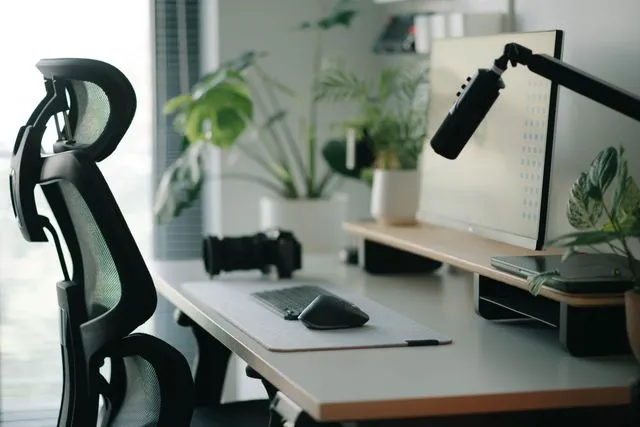
Sustainable office design gets reduced too often to surface-level gestures, a recycling bin here, a green accent wall there, while the choices that actually reduce waste and extend equipment life get overlooked entirely. Real sustainability in an office comes from decisions that reduce replacement cycles, cut energy use, and keep employees healthy enough to avoid the turnover that generates its own environmental cost. Here are five concrete choices that make a measurable difference, without requiring a full office rebrand.
Choose Furniture Built to Last, Not Replace
Office furniture that ends up in a landfill within a few years represents one of the least discussed sustainability failures in commercial design, since cheap furniture cycles through offices far faster than most people realize. Investing in a collection de chaises ergonomiques built with durable frames and quality materials, rated for higher weight capacities and repeated daily adjustment, simply lasts longer than budget alternatives designed around a lower upfront price rather than total lifespan.
Prioritize Local and Domestic Manufacturing
Furniture manufactured much closer to where it will actually be used reduces the transportation emissions embedded in every single piece long before it even arrives at the office. Choosing suppliers who manufacture domestically, rather than importing furniture across oceans, cuts this hidden environmental cost significantly while often supporting valuable local manufacturing jobs in the process as well.
Design for Adjustability Across Different Bodies
A single chair design that fits only one body type poorly forces some employees into awkward, uncomfortable postures that eventually lead to discomfort, complaints, and eventual furniture replacement requests. Models offered in multiple sizes, with independently adjustable armrests, seat depth, and lumbar support, extend the useful life of an entire furniture fleet by actually fitting the full range of people using it every day.
Why Fit Reduces Long-Term Waste
A chair that doesn’t fit properly gets replaced far sooner than one that does, regardless of how well it was originally built, which means proper fit is itself a sustainability decision hiding inside what looks like a comfort consideration.
Choose Materials That Age Well, Not Just Look New
Fabric and mesh materials that show wear quickly force premature replacement, while higher-grade upholstery options maintain their appearance and structural integrity through many years of daily use. Specifying materials based on how they actually age over a full five-year period, rather than only how they look on delivery day, prevents an office from cycling through furniture far faster than necessary.
Reduce Energy Waste Through Layout Choices
Positioning workstations to take full advantage of natural light reduces dependence on overhead lighting throughout the entire workday, a simple layout decision that costs nothing extra but compounds meaningfully into real energy savings over time. Combining this with furniture carefully arranged to avoid blocking windows or light fixtures extends the benefit across the entire office rather than just a few desks near the windows.
Making Sustainable Choices That Actually Stick
A well-chosen, thoughtfully sourced set of ergonomic chairs sourced with durability, fit, and domestic manufacturing in mind delivers more genuine sustainability impact than any single green initiative announced without follow-through. The most effective sustainable office decisions are usually the very least visible ones, embedded quietly in everyday procurement choices rather than displayed prominently on a wall poster.