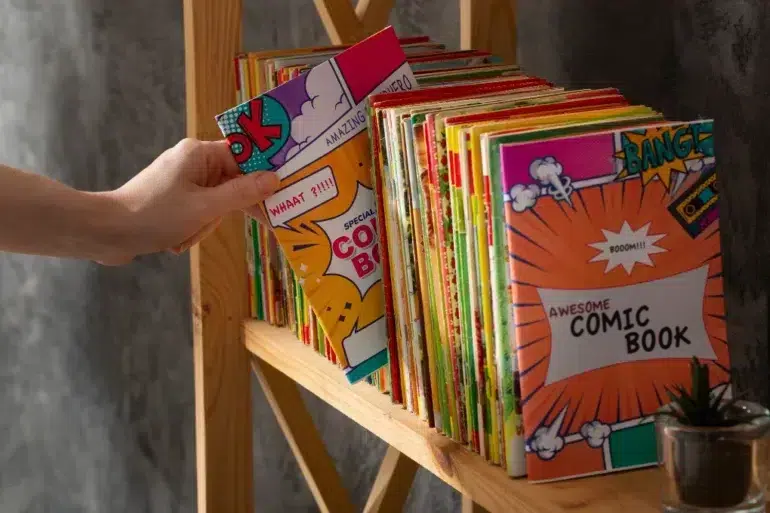
There’s a version of selling a comic collection that happens too fast. The decision gets made, the boxes go out the door, and three months later the seller learns that one of the issues they handed over in a bulk sale was worth significantly more than the price the whole box fetched. This is one of the most consistent regrets in the collectibles selling experience, and it’s almost entirely preventable with the right evaluation process before any sale happens.
The comics most likely to be undervalued in a rushed sale aren’t always the ones that look impressive. They’re the ones that require current market knowledge to identify — first appearances of characters who became relevant after the issue was published, low-print-run issues from an era when nobody was paying attention to that title, newsstand editions that command premiums over direct editions in high grade. A seller who doesn’t know what they have can’t price what they have, and a buyer who does know isn’t obligated to explain it.
This isn’t an indictment of the buying side of the market — it’s a description of how information asymmetry works in any transaction. The protection against it is an accurate evaluation before a sale rather than after. Sell my comic books searches that lead to Comic Buying Center connect sellers with a professional evaluation process that identifies what’s actually in the collection before any offer is made or accepted — so the seller understands what they’re selling rather than finding out what it was worth later.
What Era and Condition Do to Comic Values
The comic market organizes roughly by era, and each era has different value drivers. Golden Age books from the 1940s and early 1950s are valuable primarily in high grade, which most surviving copies don’t achieve after seventy-plus years of existence. The supply of high-grade Golden Age is genuinely constrained, which is why prices for the right issues in the right condition can be significant. The challenge is that most Golden Age comics that appear in personal collections are in heavily worn condition that reduces their value substantially.
Silver Age books from the mid-1950s through early 1970s are where the iconic first appearances cluster — Spider-Man, the X-Men, the Fantastic Four, Iron Man. These keys in high grade are the most aggressively sought items in the market and the most likely to be significantly misvalued by sellers who don’t track current prices. A Fantastic Four number one in Fine condition and the same book in Near Mint are different assets at very different prices, and the condition assessment requires experience to get right.
Bronze Age and Copper Age books from the 1970s through early 1990s are where most personal collections are concentrated. This is the era most current collectors read as children, which means supply is substantial — but it also means the specific keys from this era have a large and active collector base. First appearances from this period that connect to current film and television development cycles move quickly and at premiums that weren’t present a few years ago.
Why Knowing What You Have Before You Sell It Matters
A collection that’s been stored for twenty years contains items whose market value today has no relationship to their market value when they were put away. The market has moved — in both directions, for different reasons, on different titles. Some issues that seemed valuable in the 1990s are worth less now. Others that seemed unremarkable are worth considerably more.
Comic Buying Center evaluates collections with current market knowledge — identifying what’s there, what condition it’s in, and what it’s actually worth before any offer is made. For sellers who want to understand what they have before they decide what to do with it, that’s where the process starts.