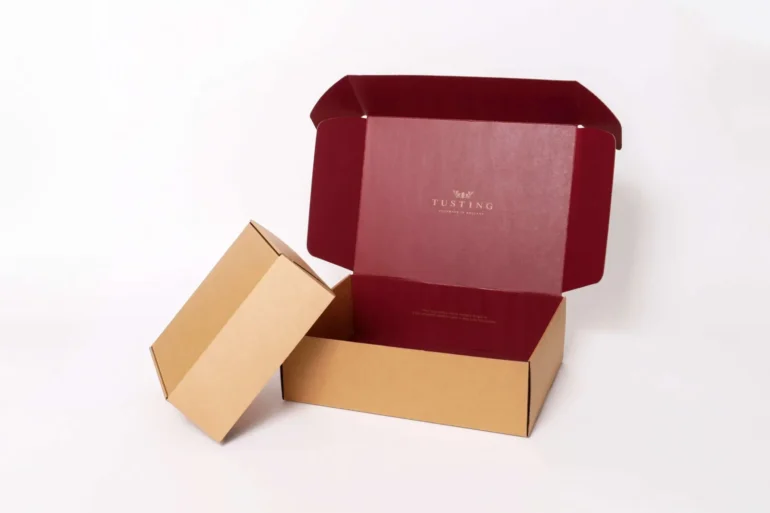
In today’s competitive wellness market, product packaging plays a critical role in influencing consumer decisions and fostering brand loyalty. Premium packaging not only highlights the quality of the product but also aligns with consumer expectations of sustainability and ethical practices, which are increasingly important in the wellness industry.
The use of high-quality materials such as Techpack glass packaging solutions reflects a commitment to product integrity and customer safety. Glass is a popular choice due to its non-reactive nature and its ability to preserve the purity of the contents, an aspect particularly significant for health and wellness products.
The Importance of Sustainability in Packaging
Sustainability is no longer just a trend; it is a critical component of business strategy, especially in wellness industries. Consumers are increasingly aware of environmental issues and prefer brands that prioritise eco-friendly practices. This push towards eco-consciousness drives wellness brands to select materials that are not only premium in quality but also sustainable.
Glass, being fully recyclable and reusable, serves as an ideal packaging material that satisfies these eco-conscious demands. Products such as amber glass bottles offer both practical and aesthetic benefits, combining durability with a visually appealing design that enhances product appeal on retail shelves.
Building Trust Through Transparency
Transparent and honest communication about packaging materials can significantly enhance customer trust. Wellness brands that disclose their packaging processes and material benefits are likely to form stronger connections with their audience. Providing clear, accurate information on labels and marketing materials about the use of eco-friendly materials can solidify a brand’s reputation as trustworthy and socially responsible.
Premium Packaging Reflects Product Quality
Consumers often equate the quality of packaging with the quality of the product contained within. Well-designed and premium-looking packaging sends a message of high standards and attention to detail, which can justify a higher price point and reinforce the perceived value of the wellness product.
Materials like glass not only provide a premium feel but also protect sensitive products from light and air exposure, ensuring their efficacy and longevity. This is crucial for wellness products that often contain natural and organic ingredients sensitive to environmental factors.
Enhancing User Experience with Thoughtful Design
Another critical aspect of premium packaging is the user experience. Effective package design incorporates functionality alongside aesthetics, facilitating ease of use and convenience for the consumer. This might involve features like precision droppers and precision pipettes that allow users to dispense products accurately and hygienically.
Providing an intuitive and pleasant unboxing experience also plays a significant role in consumer satisfaction and can encourage repeat purchases. Brands that invest in superior design elements create memorable interactions that leave a lasting impression on customers.
Navigating the Balance of Cost and Quality
For wellness brands, finding the balance between cost and quality in packaging is crucial. While high-quality materials and sophisticated designs can be more expensive, the investment can lead to increased customer loyalty and willingness to pay more for perceived value. Brands must carefully assess their packaging needs and target audience expectations to make informed decisions that support long-term success.
Regulatory Compliance and Certifications
Compliance with industry regulations and obtaining relevant certifications are additional factors that wellness brands must consider in their packaging strategies. Adhering to stringent standards not only protects the brand but also reassures consumers that the products they are purchasing are safe and meet regulatory norms.
The Role of Packaging in Brand Differentiation
In a crowded marketplace, packaging is a potent tool for differentiation. Unique and custom packaging designs can help wellness brands stand out on the shelves and online, capturing consumer attention and reinforcing brand identity.
Emphasising unique aspects like sustainability, functionality, and luxury through packaging can set a brand apart and create a distinct market presence.
Conclusion
As the wellness industry continues to grow, the significance of premium packaging becomes increasingly apparent. It serves as a vital touchpoint for consumer interaction, shaping perceptions and influencing buying decisions. By prioritising quality, sustainability, and consumer experience, wellness brands can use premium packaging to build trust and secure a competitive edge in the market.