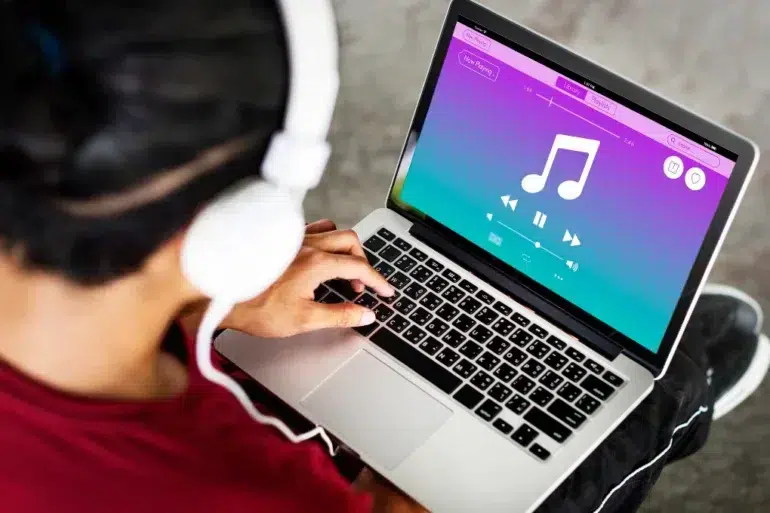
Music creation is changing faster than ever, and the AI Music Generator is at the center of that shift. What once required a studio, session musicians, expensive software, and years of production experience can now begin with a simple idea typed into an online tool. These types of platforms show how creators can generate lyrics, melodies, instrumental tracks, and full songs using artificial intelligence.
This does not mean human creativity is disappearing. In many ways, it means more people can participate in music creation. A beginner can turn a rough emotion into a song. A YouTuber can create background music for a video. A small business can produce a custom jingle. A songwriter can test different genres before entering the studio.
The rise of the AI Song Generator is not just a trend. It is part of a larger movement where artificial intelligence is becoming a creative assistant for artists, marketers, content creators, educators, and everyday music lovers.
What Is an AI Music Generator?
An AI Music Generator is a digital tool that uses artificial intelligence to create music based on user input. The input may be a short text prompt, a genre, lyrics, a mood, a tempo, or a full song idea. The system then uses trained models to produce melodies, harmonies, rhythms, lyrics, vocals, or instrumental arrangements.
For example, a user might type, “Create an emotional pop song about missing someone on a rainy night.” The tool can then generate a complete musical direction, including lyrics, melody, and arrangement. Some platforms also allow users to create instrumental music, generate lyrics separately, or choose from different song creation modes.
According to AI-Song.ai, its platform allows users to generate songs by providing prompts, preferences, or lyrics, and it can create melodies, harmonies, and full musical arrangements tailored to that input.
This makes an AI Song Generator especially useful for people who have ideas but lack technical music production skills. It lowers the entry barrier and helps users move from concept to song much faster.
Why AI Music Creation Is Growing So Quickly
The demand for fast, affordable, and customized audio has grown across many industries. YouTube creators need background music. Podcasters need intros. Game developers need soundtracks. Brands need short jingles. Social media creators need original sounds that match their content.
At the same time, music software has become more accessible. Instead of learning complex production tools from scratch, users can now describe what they want in natural language.
The wider music industry is also becoming more digital. IFPI data cited by WIPO shows that global recorded music revenues reached US$29.6 billion in 2024, with streaming accounting for 69% of global revenue. This shows how strongly music consumption has shifted toward digital platforms, where fast content creation and distribution matter more than ever.
Generative AI in music is also becoming a serious market. Grand View Research estimated the global generative AI in music market at USD 569.7 million in 2024 and projected it could reach USD 2.79 billion by 2030.
These numbers show why the AI Music Generator is becoming more than a novelty. It is becoming part of the modern creative workflow.
How an AI Song Generator Works
An AI Song Generator usually works through a simple process. The user gives the tool creative instructions, and the AI turns those instructions into musical output. The instruction can be as simple as a mood or as detailed as a full song brief.
The AI studies patterns in music structure, rhythm, melody, harmony, lyrics, and genre. Then it generates a new composition based on the user’s request. Some tools create only lyrics, while others generate complete tracks with vocals and instruments.
AI-Song.ai, for example, offers multiple generation modes, including quick song description, full lyrics generation, and instrumental music creation. It also mentions free daily song generations, making the tool accessible for users who want to test ideas without immediate cost.
This type of workflow is useful because it helps creators experiment. Instead of spending hours building a song from scratch, they can test several directions quickly. A creator may generate a sad acoustic version, an upbeat pop version, and a cinematic instrumental version of the same idea, then choose the strongest one.
Benefits of Using an AI Music Generator
The biggest benefit of an AI Music Generator is speed. A song idea that might take days to develop can become a rough track in minutes. This is valuable for creators who work under deadlines or need fresh content regularly.
Another major benefit is accessibility. Not everyone can play piano, write melodies, arrange drums, or mix vocals. AI tools help non-musicians express musical ideas without needing advanced technical skills.
Cost is also important. Hiring composers, producers, session musicians, and vocalists can be expensive. While professional production still has its place, an AI Song Generator gives small creators and businesses a more affordable starting point.
There is also creative flexibility. Users can test genres they would never normally produce. A fitness coach can create motivational electronic music. A meditation channel can generate calming ambient sound. A teacher can create educational songs for children. A brand can experiment with different jingle styles before investing in a final studio version.
The real value is not that AI replaces the creator. The value is that it gives the creator more options.
Real-World Uses for AI Music Generator Tools
An AI Music Generator can be used in many practical situations. Content creators can use it to create background music for YouTube videos, reels, shorts, documentaries, or tutorials. This helps them avoid using overused stock music and gives their content a more original sound.
Small businesses can use an AI Song Generator to create jingles, ad music, podcast intros, or event soundtracks. A local bakery, for example, could generate a cheerful brand tune for social media ads. A real estate company could create calm background music for property videos.
Independent artists can also use AI tools during the songwriting process. They may not use the final AI output directly, but they can use it to overcome writer’s block, test chorus ideas, explore chord progressions, or hear different arrangements.
Game developers and app creators can use AI-generated music for prototypes. Instead of waiting for a composer during the early stage, they can generate temporary soundtracks that match the game mood. Later, they can refine or replace the music with custom production.
Educators can use music generators to make learning more engaging. A teacher could create simple songs for language learning, memory exercises, or classroom activities.
AI Music Generator and Human Creativity
Many people worry that AI will make music less human. That concern is understandable. Music is emotional, cultural, and deeply personal. A song is not just sound; it often carries memory, identity, pain, joy, and experience.
However, the best way to understand an AI Music Generator is as a tool, not as a replacement for human feeling. A camera did not remove photographers. Design software did not remove designers. Writing tools did not remove writers. In the same way, AI music tools can support musicians rather than erase them.
The strongest songs still need taste, direction, emotion, editing, and intention. AI can generate a melody, but a human decides whether it feels right. AI can suggest lyrics, but a human understands whether the words carry truth. AI can produce sound, but a human shapes meaning.
This is why the future of music creation is likely to be collaborative. Humans will bring emotion, story, identity, and judgment. AI will bring speed, variation, and technical assistance.
Important Legal and Copyright Considerations
Anyone using an AI Song Generator should understand copyright basics. AI-generated music raises questions about ownership, originality, training data, and human contribution.
The U.S. Copyright Office released Part 2 of its AI report in January 2025, addressing copyrightability of outputs created using generative AI. The Office stated that existing copyright principles are flexible enough to apply to AI-related works, but copyright protection generally depends on human authorship and creative control.
In simple terms, if a song is produced entirely by AI with little or no human creative input, copyright protection may be limited in some jurisdictions. If a human significantly shapes the lyrics, arrangement, performance, editing, or final expression, the situation may be different.
Creators should also check the terms of any platform they use. Before publishing, monetizing, or licensing AI-generated music, users should understand whether the platform allows commercial use, whether attribution is required, and what rights are granted.
This is especially important for YouTubers, advertisers, game developers, and businesses that plan to use generated songs publicly.
The Industry Challenge: Quality, Trust, and Streaming Fraud
AI music also brings challenges. One major concern is the flood of low-quality or spam-like tracks being uploaded to streaming platforms. IFPI’s 2025 Global Music Report warned that generative AI can make it easier to generate tracks, cover art, and artist images at high volume, which may contribute to streaming manipulation.
Streaming platforms are already responding. Deezer reported a sharp rise in AI-generated uploads and has taken steps such as tagging AI-generated tracks, limiting recommendation exposure, and addressing fraudulent streaming activity. Recent reporting noted that AI-generated music may represent a significant share of daily uploads on Deezer, while only a small share of actual listening comes from those tracks.
This does not mean AI music is bad. It means the industry needs transparency, fair rules, and better detection systems. Listeners should know when music is AI-generated. Artists should be protected from imitation and exploitation. Platforms should prevent fake streams and royalty abuse.
The future of AI music depends not only on better technology, but also on responsible use.
How to Use an AI Song Generator Effectively
To get better results from an AI Song Generator, users should give clear prompts. A weak prompt like “make a song” may produce a generic result. A stronger prompt gives mood, genre, theme, tempo, and emotional direction.
For example, instead of saying, “Create a love song,” you could write, “Create a slow acoustic pop song about two people reconnecting after years apart, with a warm emotional chorus and gentle guitar.” This gives the AI more creative direction.
It also helps to generate multiple versions. The first output may not be perfect. Try different genres, rewrite the prompt, change the mood, or ask for instrumental versions. AI music works best when you treat it as a creative draft, not a final masterpiece.
Editing is also important. Review the lyrics carefully. Remove clichés. Adjust awkward lines. Make sure the melody fits the emotion. If the track is for a brand or public project, check that it does not sound too similar to any existing song.
The best creators use AI as a starting point, then add human taste.
AI Music Generator for Content Creators
For content creators, an AI Music Generator can solve a common problem: finding the right music for the right mood. Stock music libraries are useful, but many tracks are reused across thousands of videos. AI-generated music gives creators more control.
A wildlife documentary channel may need soft mysterious background music. A tech channel may need futuristic electronic beats. A motivational channel may need cinematic drums and emotional piano. With AI, creators can generate music that fits the exact tone of the content.
This can improve branding too. If a YouTube channel uses a consistent sound across videos, viewers may begin to recognize its style. A custom intro, outro, or background theme can make the channel feel more professional.
However, creators should always check licensing terms before uploading AI-generated music to monetized platforms.
AI Music Generator for Businesses and Marketing
Businesses can use an AI Song Generator to create audio branding without a large production budget. A short jingle, podcast intro, product launch track, or social media background song can make marketing content more memorable.
For example, a fitness brand could create energetic workout music for short videos. A wellness brand could create calming ambient music for meditation content. A children’s product brand could create cheerful educational songs.
Music affects emotion. The right sound can make a brand feel modern, trustworthy, exciting, peaceful, or premium. AI gives marketers a faster way to explore these emotional directions before committing to final production.
Still, businesses should be careful with quality control. A brand song should sound polished, original, and aligned with the company’s identity. AI can help generate ideas, but professional review is still valuable.
The Future of Music Creation With AI
The future of the AI Music Generator will likely include more personalization, better vocals, cleaner production, and stronger editing controls. Users may soon be able to adjust every part of a song with simple commands, such as “make the chorus more emotional,” “add a softer piano intro,” or “change the vocal style to cinematic folk.”
Music creation may also become more interactive. Instead of choosing from finished tracks, users may build songs through conversation with AI. The tool may ask about mood, audience, lyrics, tempo, and purpose, then refine the song step by step.
For professional musicians, this could speed up demos and idea development. For beginners, it could open the door to music creation for the first time. For businesses, it could reduce the cost of custom audio. For educators, it could make learning more creative.
The biggest challenge will be balance. The industry must protect human artists, respect copyright, label AI-generated work clearly, and prevent abuse. At the same time, it should allow responsible innovation.
Frequently Asked Questions About AI Music Generator Tools
What is the best use of an AI Music Generator?
The best use is turning ideas into quick musical drafts. It is useful for lyrics, melodies, background music, demos, social media content, jingles, and creative experiments.
Can an AI Song Generator create full songs?
Yes, many tools can create complete songs using prompts, lyrics, genres, or mood descriptions. Some platforms can generate melodies, harmonies, lyrics, and arrangements based on user input.
Is AI-generated music copyright-free?
Not always. Copyright and licensing depend on the platform, the amount of human creative input, and local law. Users should review platform terms and understand copyright rules before commercial use.
Can AI replace music producers?
AI can assist with music creation, but it does not fully replace human judgment, emotional storytelling, professional mixing, or artistic identity. Producers still bring taste, experience, and creative direction.
Is AI music good for YouTube videos?
Yes, it can be useful for YouTube background music, intros, outros, and custom soundtracks. Creators should confirm licensing rights before using generated tracks in monetized videos.
Conclusion: AI Music Generator Tools Are Changing Creativity
The AI Music Generator is reshaping how songs are created, tested, and shared. It gives beginners the confidence to make music, helps creators produce original sound faster, and gives businesses a more affordable way to explore audio branding.
The AI Song Generator is not the end of human creativity. It is a new creative partner. The strongest results will come from people who use AI thoughtfully, edit carefully, respect copyright, and add real emotional direction to the final work.
As platforms like AI-Song.ai make music creation easier, the future of music will become more open, more experimental, and more accessible. The creators who succeed will not be the ones who let AI do everything. They will be the ones who use AI to bring better human ideas to life.