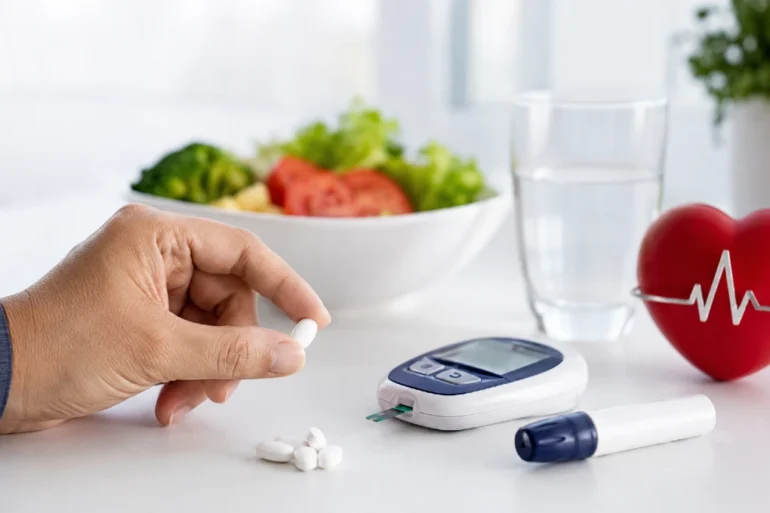
Equmet is a prescription medicine used for adults with type 2 diabetes when blood sugar needs better control. It combines two diabetes medicines, vildagliptin and metformin, in one tablet. For many patients, that combination can make daily treatment simpler because it works on blood sugar from more than one angle. Still, like any diabetes medicine, it should be used carefully, exactly as prescribed, and with regular medical follow-up.
This article covers how Equmet works, common uses, usual dosage ideas, side effects, safety warnings, and practical tips patients often want to know before taking it.
What Is Equmet?
Equmet is a combination diabetes tablet that contains vildagliptin and metformin hydrochloride. Vildagliptin belongs to a class of medicines called DPP-4 inhibitors, while metformin belongs to a group often called biguanides. The combination is designed to improve blood glucose control in adults with type 2 diabetes, usually alongside diet and exercise. The European Medicines Agency describes vildagliptin/metformin combinations as medicines used in addition to lifestyle measures to improve blood glucose control in adults with type 2 diabetes.
In simple terms, one ingredient helps the body respond better after meals, while the other helps lower the amount of sugar released into the blood and improves insulin sensitivity.
Equmet is not meant for type 1 diabetes. It is also not a treatment for diabetic ketoacidosis, which is a serious medical emergency.
How Equmet Works in the Body
The two active ingredients work differently, and that is the main reason the combination can be useful.
Vildagliptin
Vildagliptin helps increase the activity of incretin hormones. These hormones help the pancreas release insulin when blood sugar is high, especially after meals. It also helps reduce the amount of glucagon, a hormone that tells the liver to release stored sugar.
This does not mean vildagliptin forces insulin release all the time. Its action is more closely linked to blood glucose levels, which is one reason DPP-4 inhibitors are often viewed differently from some older diabetes medicines.
Metformin
Metformin mainly works by reducing glucose production in the liver and helping the body use insulin more effectively. It is one of the most widely used medicines for type 2 diabetes because it has a long clinical history and is often used early in treatment.
Together, vildagliptin and metformin target different parts of type 2 diabetes: insulin response, liver glucose output, and insulin resistance.
Equmet Uses in Type 2 Diabetes
Doctors may prescribe Equmet when a person with type 2 diabetes needs better blood sugar control than metformin alone can provide. It may also be used when a patient is already taking vildagliptin and metformin separately and the doctor wants to simplify treatment into one tablet.
Common treatment goals include:
- Lowering fasting blood sugar
- Improving after-meal blood sugar levels
- Helping reduce HbA1c over time
- Supporting a simpler diabetes medication routine
- Combining two mechanisms in one prescription tablet
Equmet was launched in Japan as a DPP-4 inhibitor and biguanide combination product, and Sumitomo Pharma describes it as combining a DPP-4 inhibitor that stimulates insulin secretion with a biguanide that improves insulin resistance through separate mechanisms.
That separate-mechanism approach is important. Type 2 diabetes is not usually caused by just one problem. Many patients have a mix of insulin resistance, higher liver glucose output, and weaker insulin response after meals.
Equmet Dosage: What Patients Should Know
The exact Equmet dosage depends on the patient’s current treatment, blood sugar levels, kidney function, age, tolerance to metformin, and the doctor’s judgment.
It is commonly available in LD and HD tablet strengths in Japan. Drug information sources list EquMet LD and EquMet HD as combination tablets containing vildagliptin and metformin, with the HD version containing a higher amount of metformin than LD.
A doctor may choose the dose based on:
- Whether the patient already uses metformin
- Whether stomach side effects are likely
- Current HbA1c and blood sugar readings
- Kidney function results
- Other diabetes medicines being taken
- Age and general health
Many vildagliptin/metformin combinations are taken with meals. Taking metformin-containing tablets with food can help reduce stomach upset for some people. Patients should not change the dose, split tablets, or stop treatment unless their doctor or pharmacist tells them to do so.
What Happens If You Miss a Dose?
If a dose is missed, the safest general rule is to follow the instructions given by the prescribing doctor or pharmacist. In many cases, patients are told to take the missed dose when remembered unless it is almost time for the next dose.
A double dose should not be taken to “catch up.” That can increase the risk of side effects, especially stomach problems or low blood sugar if other diabetes medicines are also being used.
Because dosing instructions can vary by country and product strength, the patient information leaflet should always be followed.
Common Side Effects of Equmet
Like all medicines, Equmet can cause side effects. Not everyone gets them, and many people tolerate the medicine well, but it is still important to know what may happen.
Possible common or expected side effects can include:
- Nausea
- Diarrhea
- Stomach discomfort
- Loss of appetite
- Metallic taste
- Headache
- Dizziness
- Mild weakness
- Trembling or sweating if blood sugar drops too low
Stomach-related effects are often linked to metformin. They may be more noticeable when treatment starts or when the dose is increased. Taking the medicine with food may help, but persistent symptoms should be discussed with a healthcare professional.
Serious Side Effects That Need Medical Attention
Some reactions are rare but serious. Patients should seek medical help quickly if they experience warning signs such as:
- Severe stomach pain
- Ongoing vomiting
- Trouble breathing
- Extreme tiredness
- Muscle pain with weakness
- Feeling unusually cold
- Yellowing of the skin or eyes
- Dark urine
- Swelling of the face, lips, tongue, or throat
- Severe rash or blistering
- Symptoms of pancreatitis, such as severe upper abdominal pain that may spread to the back
Metformin is associated with a rare but serious condition called lactic acidosis, especially in people with severe kidney problems or conditions that reduce oxygen levels in the body. Product information for metformin-containing medicines commonly warns that risk factors include kidney impairment, excessive alcohol intake, liver problems, poorly controlled diabetes, prolonged fasting, and conditions linked with low oxygen.
This does not mean most patients will experience this issue. It means the medicine must be used thoughtfully, with the right checks before and during treatment.
Equmet and Kidney Function
Kidney function matters a lot with any metformin-containing medicine. If the kidneys are not working well, metformin may build up in the body, increasing the risk of serious side effects.
Doctors usually check kidney function before prescribing this type of medicine and may repeat testing during treatment. One review on vildagliptin use in type 2 diabetes and kidney disease notes that kidney function should be checked regularly and that metformin should be stopped if estimated kidney function falls below certain safety thresholds.
This is one reason patients should not treat diabetes medication as a “set and forget” routine. Blood tests are part of safe long-term care.
Who Should Be Careful Before Taking Equmet?
Equmet may not be suitable for everyone. A doctor should review medical history before prescribing it, especially if the patient has:
- Kidney disease or reduced kidney function
- Liver disease
- Heart failure or recent heart attack
- Severe infection
- Dehydration
- Heavy alcohol use
- History of pancreatitis
- Upcoming surgery
- Planned CT scan or imaging with contrast dye
- Pregnancy or breastfeeding concerns
Patients should also tell their doctor about all medicines they take, including over-the-counter pain relievers, blood pressure medicines, water pills, supplements, and herbal products.
Some medicines can affect kidney function or blood sugar, which may change how safe or effective the treatment is.
Can Equmet Cause Low Blood Sugar?
On its own, Equmet may have a lower risk of hypoglycemia compared with some medicines that directly force insulin release. However, low blood sugar can still happen, especially if it is taken with insulin or sulfonylurea medicines.
Possible signs of low blood sugar include:
- Shakiness
- Sweating
- Fast heartbeat
- Sudden hunger
- Confusion
- Irritability
- Blurred vision
- Weakness
A simple real-world example helps. Imagine someone takes their diabetes medicine in the morning but then skips breakfast and does physical work for several hours. If they are also taking another medicine that lowers blood sugar, the chance of a low reading may rise.
Patients should ask their healthcare provider what number counts as low for them and what they should do when it happens.
Equmet, Food, and Daily Routine
Diabetes medicine works best when it fits into a steady routine. Equmet is not a replacement for balanced meals, movement, sleep, and weight management. It supports blood sugar control, but the daily habits around it still matter.
Practical routine tips include:
- Take the tablet at the same time each day if prescribed that way
- Use meals as reminders if the medicine is meant to be taken with food
- Keep a written or app-based medication schedule
- Track blood sugar as advised
- Avoid skipping meals without medical advice
- Stay hydrated, especially during hot weather or illness
- Contact a doctor if vomiting, diarrhea, or dehydration occurs
Small routines are often what make long-term diabetes care easier. A pillbox, phone reminder, or linking medicine to breakfast and dinner can reduce missed doses.
Alcohol and Equmet Safety
Alcohol deserves special attention. Drinking heavily while taking metformin-containing medicine can increase the risk of lactic acidosis. It can also make blood sugar harder to predict.
Some people may experience low blood sugar after drinking, especially if they drink without food. Others may see unstable glucose readings the next day.
Patients who drink alcohol should be honest with their doctor. The goal is not judgment. The goal is safety.
Equmet and Weight
Many people with type 2 diabetes worry about weight gain from medication. Metformin is generally considered weight-neutral or sometimes linked with modest weight reduction in some patients. DPP-4 inhibitors like vildagliptin are also often considered weight-neutral compared with some other diabetes drugs.
That said, personal results vary. Weight changes can depend on diet, activity, other medicines, insulin use, age, sleep, and overall health.
The best way to judge progress is not only by the scale. HbA1c, fasting glucose, after-meal readings, waist size, energy levels, and overall health markers can all matter.
Equmet vs Taking Two Separate Tablets
Some patients take vildagliptin and metformin separately. Others may be given a fixed-dose combination like Equmet. The main advantage of a combination tablet is convenience.
Fewer tablets can sometimes improve adherence. When a person has diabetes, blood pressure, cholesterol, and other health conditions, the number of daily pills can add up quickly. A combination tablet may make the routine simpler.
However, fixed-dose combinations are not perfect for every patient. Separate tablets may allow more flexible dose adjustment. For example, someone who cannot tolerate a higher metformin dose may need a different setup.
The best option depends on the patient’s treatment plan.
Real-World Scenario: Why Monitoring Still Matters
Consider a 58-year-old office worker with type 2 diabetes. He has been taking metformin for years, but his HbA1c remains above target. His doctor adds vildagliptin or moves him to a combination tablet.
At first, his stomach feels a little unsettled, but taking the medicine with meals helps. After three months, his HbA1c improves. But during routine testing, his doctor also checks kidney function, liver enzymes, and other health markers.
That is the part many people overlook. Better glucose numbers are important, but safe diabetes care is bigger than one reading. It includes monitoring, dose review, side effect checks, and lifestyle support.
Questions Patients Often Ask About Equmet
Is Equmet a cure for diabetes?
No. It helps manage type 2 diabetes, but it does not cure it. Blood sugar can rise again if treatment stops or if lifestyle factors change.
Can I stop taking it once my blood sugar improves?
Not without medical advice. Improved readings may mean the medicine is working. Stopping suddenly can cause blood sugar to rise again.
Is it safe for older adults?
It may be used in older adults, but kidney function and overall health must be checked carefully. Older patients may be more sensitive to dehydration, kidney changes, and medicine interactions.
Can it be taken with insulin?
Sometimes diabetes medicines are combined, but this must be decided by a doctor. When used with insulin or certain insulin-releasing tablets, the risk of low blood sugar may increase.
How long does it take to work?
Blood sugar may begin improving earlier, but HbA1c changes are usually assessed over a few months because HbA1c reflects average blood sugar over time.
Safety Facts to Remember
Equmet should be treated as a serious prescription medicine, not just a routine tablet. The most important safety points are simple but easy to forget.
Take it only as prescribed. Do not increase the dose because blood sugar is high one day. Do not stop it because readings look better for a week. Tell your doctor if you become dehydrated, develop a serious infection, need surgery, or are scheduled for imaging with contrast dye.
Also, keep regular lab appointments. Kidney function checks are not optional details with metformin-containing medicines. They are part of safe treatment.
Conclusion
Equmet can be a useful option for adults with type 2 diabetes who need better blood sugar control with a combination of vildagliptin and metformin. It works by supporting insulin response, reducing excess glucose production, and helping the body handle blood sugar more effectively.
The real value of Equmet comes when it is used properly: the right dose, regular monitoring, smart meal habits, and honest communication with a healthcare provider. Side effects like stomach upset may happen, but serious warning signs should never be ignored.
For anyone managing diabetes, the goal is not just lower numbers. It is safer daily living, fewer complications, and better long-term control of blood sugar with a treatment plan that fits real life.