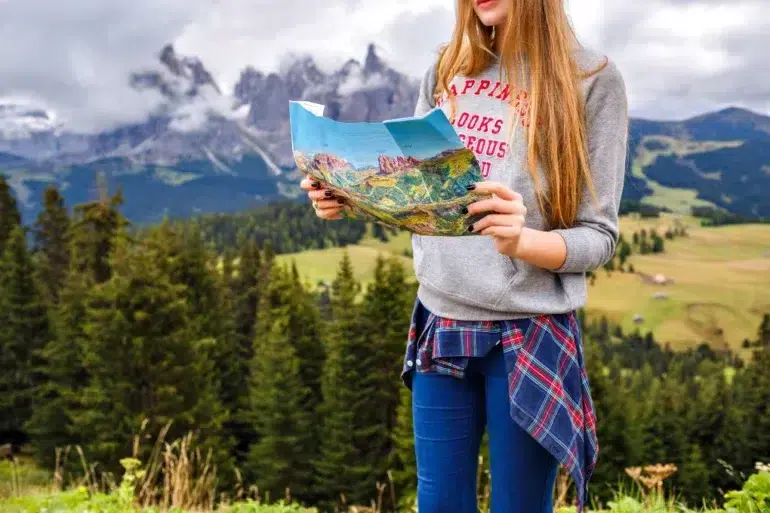
Every great mountain trip starts with one honest question: when do I actually go? Nail the timing, and the whole experience flows, trails are open, the weather cooperates, and you’re not elbowing strangers for a parking spot. Miss it, and you’re battling slush, closures, or a town that’s either overrun or half-shuttered. This guide exists to help you plan mountain getaway by season with clear eyes and real intention. Because here’s the thing, there’s no objectively bad season in the mountains. There’s only bad preparation.
Wellness tourism grew 13.8% between 2023 and 2024, which is telling. People aren’t just looking to vacation anymore. They want to recover. To breathe differently for a week. Mountains, it turns out, are unusually good at delivering that.
Jackson Hole, Wyoming, sits tucked against the Teton Range with a personality that’s hard to replicate, the elk antler arches on the town square, the doorstep access to Grand Teton National Park, and a local culture that genuinely reveres the landscape surrounding it.
When travelers start researching what to do in jackson wyoming, they quickly discover that the answer shifts completely depending on the month they show up. That’s not a weakness, that’s the whole appeal.
Spring Awakening: An Underrated Season Worth Your Attention
Let’s be honest, spring gets overlooked. People assume it’s muddy, cold, or just a waiting room for summer. In the mountains? That assumption is wrong, and experienced travelers know it.
Reawakening Landscapes & Wildlife
When the snowpack retreats, what emerges is genuinely moving. Waterfalls running full force, wildflowers cracking through previously frozen ground, trails that feel untouched because most people haven’t arrived yet.
In Jackson, spring means elk and bison herds actively moving through the valleys. Birdwatchers treat the migration windows like a holiday. Wildflower season typically peaks between May and June, varying by elevation, and it’s worth timing your visit around.
What to Pack and Expect
Spring mountain weather is famously unreliable. It can be 60 degrees by noon and snowing by dinner. Pack waterproof outer layers, footwear with real grip, and check trail conditions before any day hike. Late snowmelt can shut down higher elevation routes well into May, no exceptions.
Seasonal Mountain Vacation Ideas for Spring
Guided wildflower walks. Early fly fishing on streams that are crystal-clear and uncrowded. Scenic drives that feel like the road was built just for you. Shoulder-season pricing makes spring an especially smart move for travelers who won’t compromise on quality but aren’t interested in paying peak-summer rates to prove a point.
Spring sets the whole trip calendar in motion, and once those trails open fully, summer arrives with an entirely different kind of energy.
Summer: Full-Throttle Adventure at Elevation
Summer in the mountains is unambiguous. The trails are wide open, the rivers are running high, and the days are so long you’ll genuinely wonder where the afternoon went. Everything is operating, and the energy is palpable.
High-Energy Escapes Worth Booking Early
Jackson’s summer lineup is legitimately impressive. The alpine coaster at Snow King, Snake River kayaking, the iconic tram ride up Jackson Hole Mountain Resort, and those legendary waffles waiting for you at the top. These aren’t tourist traps. They’re experiences that earn the hype. Summer is peak season, though, so early reservations matter more than you might expect.
Cooler Evenings and Remarkable Skies
Here’s something first-time visitors get caught off guard by: even in July, mountain evenings cool down fast. That’s a feature, not a bug. The Teton skyline after dark, without meaningful light pollution, is extraordinary. Stargazing from a private mountain rental becomes one of those quietly life-changing moments people mention years later.
Summer Planning Tips & Insider Advice
Book guided raft trips and hikes weeks out, sometimes months. Bring significantly more water than you think you’ll need, and apply sunscreen even when clouds roll in at elevation. Front-load harder activities in the morning before the afternoon heat and trail congestion set in.
When summer winds down, something shifts. The crowds thin, the light turns gold, and the mountains offer a completely different kind of reward.
Fall: The Season Experienced Travelers Keep to Themselves
Ask a well-traveled mountain regular which season they prefer, and there’s a good chance they’ll say fall, then add, almost apologetically, that they’d rather not see it get too popular.
Color, Quiet, and Harvest Energy
A thoughtful mountain escape planning guide should take the fall seriously as a top contender. Wyoming’s aspen groves turn electric gold in ways that rival any famous leaf-peeping destination on the East Coast. The visual drama is real, and the relative lack of crowd competition makes it feel personal.
Local Culture at Its Most Welcoming
Fall Jackson has a refreshingly unhurried pace. Galleries open their doors with genuine warmth. Restaurants have time to actually care about the meal. Smaller local festivals surface that visitors during peak season never encounter. There’s a sense of the town breathing again.
Fall Travel Tactics
Fall’s reputation is spreading; book earlier than you assume you need to. Temperature swings between morning and afternoon are significant, so layers are non-negotiable. Bring a real camera. Use foliage forecast tools to time your arrival for peak color rather than guessing and getting there a week late.
When the aspens finally let go of their leaves, winter doesn’t signal an end. It signals a transformation.
Winter: The Case for Cold, Quiet, and World-Class Powder
For a growing number of travelers, winter is the best time for a mountain retreat, not in spite of the conditions but because of them. There’s a particular kind of restoration that only happens when the world is muffled under snow.
Slopes, Stillness, and Everything In Between
Jackson Hole Mountain Resort and Snow King represent legitimate world-class skiing and snowboarding, the kind of terrain that draws serious skiers from across the globe. But winter isn’t exclusively about speed and vertical. Snowshoe trails through silent forests, wildlife watching in the frozen valley floor, and evenings under absurdly clear winter skies carry their own weight.
Cozy Indoor Escapes & Genuine Rest
Cabin stays with working fireplaces. Proper spa days. Warm drinks that you actually taste because you’re not rushing anywhere. Winter makes rest feel earned, not indulgent. That distinction matters more than it sounds.
Winter Planning Essentials
Heavy layers, full stop. Check road conditions before every drive. Seriously consider a 4WD vehicle or snow chains for mountain access roads. Book premium lodging months ahead; winter, particularly around the holidays, fills faster than most visitors anticipate.
Year-Round Mountain Town Inspiration
The outdoor recreation economy contributed $696.7 billion to U.S. GDP in 2024, a number that reflects how thoroughly Americans have made outdoor living central to their identity, not just a weekend hobby.
Seasonal All-Stars Across the U.S.
| Mountain Town | Best Season | Signature Draw |
| Jackson, Wyoming | All seasons | Wildlife, skiing, Teton views |
| Whitefish, Montana | Summer/Winter | Glacier access, ski culture |
| Truckee, California | Summer/Fall | Lake Tahoe proximity |
| Frisco, Colorado | All seasons | Central Summit County location |
These towns deliver consistently across the calendar, making them worth returning to rather than treating as one-visit destinations.
Seasonal Mountain Travel Tips: Jackson as the Year-Round Standard
If you’re genuinely exploring what to do in Jackson, Wyoming, throughout the calendar year, the honest answer is that the town you visit in January is fundamentally different from the town you find in June, and both versions are worth experiencing.
Summer delivers adventure energy; fall rewards patience with color and quiet; winter offers powder and fireside restoration; spring brings wildlife and wide-open space. Understanding which version of Jackson you want shapes every decision that follows.
Knowing the destination is foundational. Knowing how to navigate it strategically is what makes a good trip genuinely memorable.
Key Strategies for Tailoring Your Trip
Smart mountain planning isn’t complicated. It just requires thinking a few moves ahead rather than booking impulsively and hoping things fall into place.
Crowd & Cost Management by Season
Shoulder seasons, spring and fall, consistently offer lower accommodation rates, shorter waits, and thinner trail traffic while still delivering genuinely beautiful conditions. That combination is hard to argue against from any angle.
Align Activities with Seasonal Strengths
Stop fighting the season and work with it instead. Spring rewards fly fishing and wildlife observation. Summer is built for big adventure. Fall is ideal for foliage drives and local dining. Winter is made for skiing and deliberate rest. Forcing summer activities into a November trip only creates friction.
Sustainability & Local Support
Choose local guides over large commercial operators when options exist. Visit during shoulder seasons to reduce pressure on ecosystems that peak-season crowds stress significantly. Your tourism dollars matter more to year-round local economies than most travelers realize.
Frequently Asked Questions
When is the best time to plan a mountain getaway for both activities and quiet?
Shoulder seasons, spring and fall, consistently offer the strongest balance. Trails remain accessible, crowd levels stay manageable, pricing stays reasonable, and natural scenery frequently hits its most striking point without the pressure of peak-season competition.
How do I actually disconnect on a mountain escape?
Choose a property away from the commercial center of town. Limit yourself to one or two activities per day. Resist the temptation to schedule every hour. Once you slow down enough to let them, the mountains handle the rest.
What should I pack for any mountain trip, regardless of season?
Layered clothing, waterproof outer shells, and sturdy footwear are baseline requirements across every season. Add sunscreen and additional water for summer months, traction devices for winter driving and trails, and allergy remedies if you’re visiting during spring wildflower season.
Making Every Season Count
Mountains don’t have an off-season; they simply present different versions of themselves, and every version has something genuine to offer. Wildflower trails in spring. The river runs in summer. Golden aspen light in fall. Fireside stillness in winter. None of these is a consolation prize.
Use this guide to plan mountain getaway by season with real intention rather than defaulting to peak summer because it’s the obvious choice. Book early when it matters, lean into the quieter months that most travelers reflexively skip, and let the destination, not the calendar convention, guide the decision.
The most unforgettable mountain escapes almost always happen when the crowds have cleared, the pace has slowed, and you’ve given yourself permission to actually arrive.