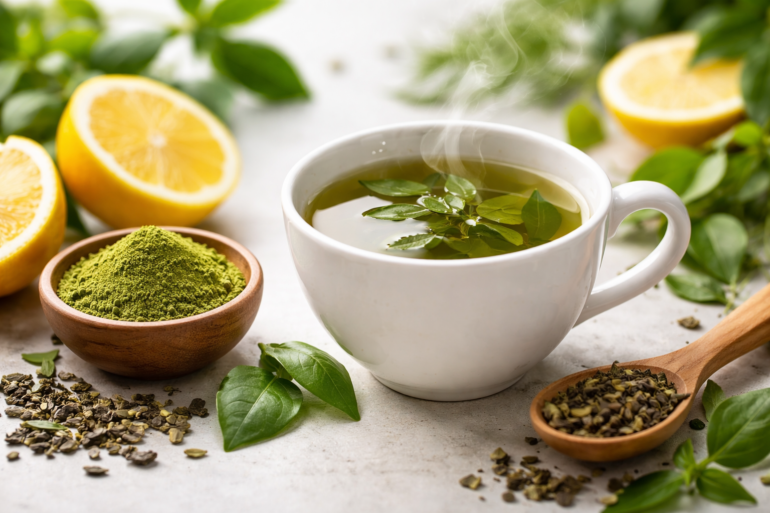
If you have ever searched for the Best Green Tea and felt buried under a pile of brand lists, bold promises, and half true health claims, you are not alone. Green tea has a strong reputation for supporting weight management, helping with mental focus, and fitting easily into a healthier daily routine. But the truth is a little more nuanced than the marketing. The Best Green Tea is not a magic fix. It is a smart, steady habit that can support better choices when you pick the right type, brew it well, and drink it consistently. Research from Harvard, Mayo Clinic, and the NIH shows that green tea contains catechins, especially EGCG, along with a moderate amount of caffeine, and that combination may support alertness and overall health, though weight loss effects are usually modest rather than dramatic.
That is why the conversation around the Best Green Tea should start with realistic expectations. A good cup can help replace sugary drinks, give you a gentler lift than strong coffee, and become part of a routine that supports better energy and better eating habits. What it cannot do is melt fat on its own. If you want the Best Green Tea for weight loss, focus, and everyday health, you need to understand what green tea actually does, what it does not do, and how to choose one that fits your life.
What Makes the Best Green Tea Worth Drinking
The Best Green Tea usually comes down to three things: quality leaves, a flavor you will actually enjoy, and a caffeine level that suits your body. Green tea is made from Camellia sinensis leaves that are processed with minimal oxidation, which helps preserve catechins and other plant compounds. Those compounds are a big reason green tea is often linked with antioxidant activity and long term wellness conversations.
Still, the Best Green Tea is not always the most expensive one on the shelf. Some people do well with Japanese sencha because it tastes fresh and grassy. Others prefer matcha for a more concentrated experience. Jasmine green tea works well for beginners who want a softer aroma, while gunpowder green tea tends to be bolder and slightly smoky. The right choice depends on whether your goal is daily sipping, pre work focus, or swapping out higher calorie drinks. General tea guidance from Harvard suggests that regular tea drinking can fit into a healthy eating pattern, especially when it replaces less nutritious beverages.
Best Green Tea for Weight Loss: What It Can Really Do
Let’s be honest about the part most readers care about first. The Best Green Tea for weight loss can support your progress, but it is not a shortcut. The strongest benefit is usually indirect. Green tea can help you replace soda, sweet coffee drinks, or late night calorie heavy beverages. That alone can make a real difference over time. On top of that, green tea contains caffeine and catechins, and researchers have studied whether those compounds can slightly affect energy expenditure and fat oxidation. The findings are mixed, and when benefits show up, they are usually small.
Harvard notes that green tea does not meaningfully help with weight loss in a major way, which is important because it cuts through the hype. The NIH also points out that green tea extracts are often promoted for weight loss, but those products are different from drinking normal brewed tea and may carry more risk. In plain terms, the Best Green Tea can help with weight loss when it supports better habits, steadier energy, and fewer liquid calories, not because it works like a miracle burner.
A practical example makes this easier to understand. Imagine someone who normally drinks two sugary iced coffees a day. If they switch one or both to the Best Green Tea, they may cut hundreds of calories per day while still getting a satisfying ritual and a mild caffeine boost. Over weeks and months, that habit matters more than chasing exaggerated claims on a supplement bottle.
How to Use Best Green Tea in a Weight Loss Routine
If your goal is fat loss, the Best Green Tea is one you can drink consistently without loading it with sugar, syrups, or heavy creamers. Unsweetened brewed tea is the sweet spot. A cup before a walk, between meals, or in place of a dessert drink can be genuinely useful.
Try these simple approaches:
- Drink Best Green Tea in the morning instead of a high calorie café drink.
- Use it in the afternoon when energy dips and snacking usually starts.
- Keep it unsweetened, or add only a squeeze of lemon if you want brightness.
- Pair it with a high protein breakfast or lunch so it supports a balanced routine.
- Choose brewed tea over concentrated extracts unless a clinician tells you otherwise.
That last point matters. The NIH’s NCCIH warns that some green tea extracts, especially those used in weight loss products, have been linked to liver problems. Brewed tea is generally considered the safer everyday option for most adults.
Best Green Tea for Focus and Mental Clarity
This is where the Best Green Tea often shines more clearly. Green tea contains caffeine, but typically less than coffee. Mayo Clinic lists brewed green tea at about 29 mg of caffeine per 8 ounce cup, though the exact amount varies by brand and brewing style. That lower caffeine level is one reason many people find green tea smoother and easier to tolerate.
The Best Green Tea for focus is also interesting because green tea naturally contains L theanine, an amino acid often discussed for its calming effect. Research on caffeine and L theanine suggests that the combination may support attention and alertness while feeling less harsh than caffeine alone in some settings. That does not mean every cup will transform your workday, but it does help explain why many people say the Best Green Tea gives them calm focus instead of a jittery rush.
If you are sensitive to coffee, the Best Green Tea may be a better fit for long work sessions, reading, studying, or creative tasks. It is especially useful when you want steady concentration without feeling overstimulated. Many people describe the difference this way: coffee hits fast, while green tea feels smoother and more even. That experience lines up with the way caffeine and L theanine are often discussed in the research.
Best Green Tea Types for Everyday Health
For everyday health, the Best Green Tea is usually the one you enjoy enough to drink regularly. Consistency matters more than chasing a trendy label. Still, a few styles stand out for different reasons.
Sencha is a strong all around option. It is easy to find, usually fresh tasting, and works well for daily drinking. Matcha is more concentrated because you consume the powdered leaf, so it may deliver more caffeine and catechins per serving, though that also means it can feel stronger. Jasmine green tea is excellent for people who want a more floral, approachable taste. Genmaicha blends green tea with roasted rice, making it nutty and comforting, often with a gentler profile.
The Best Green Tea for everyday health is also the one you brew properly. Water that is too hot can make green tea bitter and unpleasant, which is one reason many people give up on it too soon. Most green teas do better with water below a full boil and a shorter steep. When brewed gently, the tea tastes cleaner, softer, and more drinkable. The easier it is to enjoy, the more likely it becomes a lasting healthy habit.
How to Choose the Best Green Tea for Your Goal
A lot of people ask for a single answer to the Best Green Tea question, but the smarter answer depends on your main goal.
If you want weight loss support, choose a plain, unsweetened green tea you will drink instead of sugary beverages. If you want focus, look for a high quality sencha or matcha and use it earlier in the day. If you want everyday health, choose a tea that tastes good enough to become part of your routine.
Here is a simple way to think about it:
- For beginners: jasmine green tea or sencha
- For stronger focus: matcha or a robust sencha
- For gentle daily sipping: sencha, genmaicha, or light green tea bags from a trusted brand
- For calorie control: unsweetened brewed tea, hot or iced
- For people sensitive to caffeine: lighter brews or decaf green tea
Mayo Clinic also notes that caffeine adds up across the day, and many healthy adults should stay mindful of total intake. Green tea may feel light, but several cups plus coffee, soda, or energy drinks can stack quickly.
Common Mistakes People Make With Best Green Tea
One common mistake is assuming the Best Green Tea has to taste intense or bitter to be effective. That is not true. Bitterness is often a brewing issue, not a quality signal.
Another mistake is turning the Best Green Tea into a dessert. Once you add large amounts of sugar, sweet cream, syrups, or flavored powders, you can easily cancel out the weight management benefit you were aiming for. The healthiest version is usually the simplest one.
A third mistake is confusing brewed tea with high dose extract pills. Normal brewed green tea and concentrated supplement formulas are not the same thing. The NIH specifically warns that some extract based products have been associated with liver injury, which is why regular tea is usually the smarter everyday choice.
Is Best Green Tea Better Than Coffee?
This depends on what you mean by better. If you want a stronger caffeine hit, coffee usually wins. If you want a gentler lift, calmer concentration, and an easier beverage to sip throughout the day, the Best Green Tea can be the better choice.
Coffee is not unhealthy by default, and this is not about declaring one winner for everyone. It is about fit. For some people, the Best Green Tea feels more sustainable because it offers enough energy without the sharp edge they get from stronger coffee. Mayo Clinic’s caffeine data supports the idea that green tea generally delivers a milder dose per cup.
Best Green Tea and Everyday Health Habits
The reason the Best Green Tea keeps showing up in wellness conversations is that it fits naturally into healthy routines. It is low in calories when unsweetened. It can replace less nutritious drinks. It may support alertness. It may also contribute beneficial polyphenols, though human evidence for some disease specific claims remains mixed and should not be overstated. Harvard’s nutrition coverage is especially useful here because it keeps the message balanced: tea can be part of a healthy pattern, but it is not a cure all.
That balanced view is the right one. The Best Green Tea is not about chasing a dramatic promise. It is about finding a drink that helps you eat and drink a little better, feel a little steadier, and build a routine that is easier to maintain. Those small advantages are what make it valuable.
Conclusion
The Best Green Tea for weight loss, focus, and everyday health is the one that matches your real life. If you want help with weight management, use Best Green Tea to replace sugary drinks and support better daily habits. If you want mental clarity, Best Green Tea offers a smoother caffeine experience that many people find easier to handle than coffee. If you want everyday wellness, Best Green Tea works best as a consistent, unsweetened ritual rather than a miracle product. Brew it well, drink it regularly, and keep your expectations realistic. That is where the real value is.
In the end, the Best Green Tea is not just about antioxidants or caffeine numbers. It is about choosing something simple, enjoyable, and sustainable. That is what turns a popular drink into a genuinely helpful habit. If you are curious about the broader background and green tea history, it is worth reading more about how this drink became such a lasting part of daily life in so many cultures.