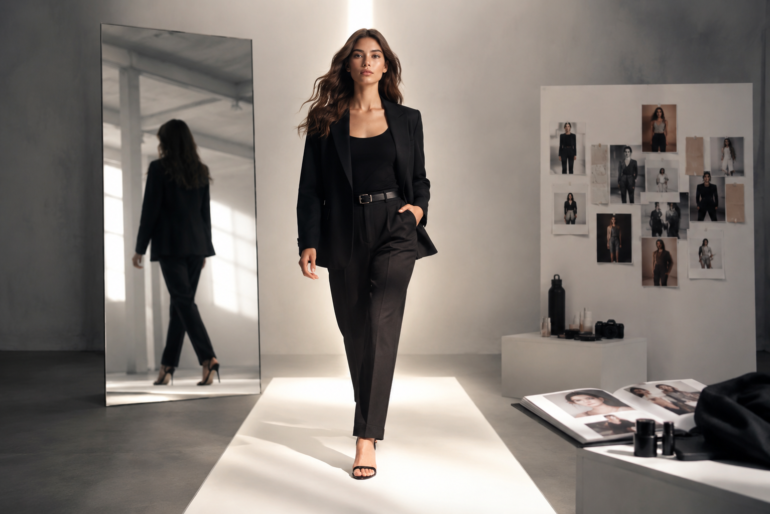
If you are asking What Are the Qualities of a Successful Model, you are probably looking for a real answer beyond height, looks, clothes, or camera angles. Modeling may look glamorous from the outside, but people who stay in the industry know it takes discipline, emotional strength, professionalism, patience, and the ability to keep improving even after rejection.
A successful model is not only someone who photographs well. It is someone who knows how to carry a brand, understand direction, respect time, protect their body and mind, and build a reputation that clients want to work with again.
The modeling world has changed a lot. Today, brands look for personality, reliability, body awareness, social presence, confidence, and authenticity. There are runway models, commercial models, fitness models, hand models, editorial models, plus-size models, petite models, and social media-driven talent. The path is not the same for everyone.
The U.S. Bureau of Labor Statistics notes that models pose for artists, photographers, and customers to help advertise products including clothing, cosmetics, and other goods. It also reports that modeling work can be competitive, with about 1,200 projected openings per year on average from 2024 to 2034 in the United States.
That means talent matters, but consistency matters even more.
What Are the Qualities of a Successful Model in Today’s Industry?
The simple answer is this: a successful model has confidence, discipline, adaptability, professionalism, strong communication, physical awareness, emotional resilience, and a clear personal brand.
But each quality works together.
A model who looks great but is always late will lose jobs. A model with potential but no patience may quit too soon. A model with confidence but no listening skills may struggle on set. The best models understand that modeling is both creative and professional.
They know how to perform in front of a camera, but they also know how to show up prepared, take feedback, and make the client’s job easier.
Confidence Without Arrogance
Confidence is one of the first qualities people notice in a model. It shows in posture, eye contact, facial expression, walk, and body language. A confident model can enter a room and create presence without trying too hard.
But confidence should not feel arrogant.
The strongest models know how to own the space while still respecting the photographer, stylist, makeup artist, casting director, and brand team. They do not act like they are above the work. They understand that every campaign is a group effort.
Real confidence sounds like this:
“I can do this, and I am also willing to learn.”
That mindset is powerful. It helps models handle auditions, photoshoots, runway shows, and client feedback without taking everything personally.
Confidence also grows with practice. New models are often nervous at first, especially during test shoots or castings. That is normal. What matters is learning how to relax, breathe, and stay present when attention is on you.
Professionalism That Clients Remember
When people ask What Are the Qualities of a Successful Model, professionalism should be near the top of the list.
A model’s reputation can open doors or close them quietly. Agencies and clients remember who arrives on time, follows instructions, treats people kindly, and stays prepared. They also remember who brings drama, complains too much, or fails to communicate.
Professionalism includes:
- Arriving early or on time
- Keeping your portfolio updated
- Reading call sheets carefully
- Bringing required wardrobe or grooming items
- Responding to messages politely
- Respecting contracts and usage rights
- Following the creative direction
- Staying calm during long shoot days
A model may be hired once because of appearance, but they are hired again because of professionalism.
Imagine two models at a commercial photoshoot. One has a strong look but arrives late, forgets basic wardrobe pieces, and complains during lighting changes. The other is slightly less experienced but comes prepared, listens carefully, and gives the photographer several usable options. Most clients will choose the second model again.
That is how careers are built.
Discipline and Daily Habits
Modeling is not only about what happens during a photoshoot. A lot of the real work happens before anyone sees the final image.
Successful models take care of their sleep, skin, posture, movement, nutrition, fitness, grooming, and emotional balance. This does not mean chasing unhealthy standards. It means treating the body as part of the job.
Discipline looks different for every model. A fitness model may train intensely. A commercial lifestyle model may focus more on natural expression and energy. A runway model may practice walking, turning, and garment presentation. A hand model may be careful with skincare, nails, and hand movement.
Good habits may include:
- Practicing poses in a mirror
- Studying fashion campaigns
- Building a clean skincare routine
- Staying hydrated
- Getting enough rest before shoots
- Exercising for strength and posture
- Keeping nails, hair, and wardrobe basics ready
- Updating digitals and portfolio images regularly
Small habits create long-term confidence. They also help models stay ready when an opportunity comes suddenly.
Adaptability on Set
One of the most underrated modeling skills is adaptability. A model may arrive expecting a simple studio shoot, then find out the creative direction has changed. The lighting may be difficult. The clothes may feel uncomfortable. The photographer may need more movement, more softness, more attitude, or more natural emotion.
A successful model adjusts quickly.
They can shift from elegant to playful, serious to relaxed, powerful to vulnerable. They can work with different photographers, brands, locations, and styles. They do not freeze when something changes.
This is especially important in commercial modeling. A model might need to look like a young professional in one campaign, a friendly traveler in another, and a confident fitness enthusiast the next week. The face, posture, and energy must match the story.
Fashion is visual storytelling. A model who understands that will always have an advantage.
Strong Body Awareness
A good model knows what their body is doing, even without looking in a mirror.
Body awareness includes posture, angles, hand placement, facial tension, shoulder position, walking rhythm, and how clothing falls on the body. It is not about being perfect. It is about knowing how to create shapes that look natural and useful on camera.
For example, a model may learn that a slight turn of the chin improves the jawline, or that soft hands make a luxury product feel more elegant. A runway model learns how to walk so the garment moves properly. A catalog model learns how to show clothing details clearly without looking stiff.
This kind of awareness comes from practice.
Photographers often love working with models who understand light and angles. It saves time and gives the creative team more options. A model who can make tiny adjustments quickly becomes easier to direct.
Emotional Resilience After Rejection
Rejection is part of modeling. Even talented models hear “no” many times.
Sometimes the reason is simple: the client needed a different height, look, age, vibe, size, or energy. It does not always mean the model did anything wrong. The problem is that rejection can still feel personal, especially when the job is connected to appearance.
This is why emotional resilience matters so much.
A successful model learns how to separate personal worth from casting results. They do not let one rejection destroy their motivation. They keep improving, keep showing up, and keep building a healthier relationship with the industry.
The fashion world has also faced criticism for unrealistic beauty standards and limited representation. Recent Vogue Business reporting has continued to discuss size inclusivity challenges in runway fashion, showing that the industry is still evolving and that visibility remains an important issue.
A model needs inner strength to work in an industry where trends shift and opinions change quickly.
Communication Skills
Models do not always speak much in the final campaign, but communication is still essential.
A model needs to understand instructions, ask useful questions, and respond clearly. If a pose feels unsafe, they should speak up respectfully. If they are unsure about the mood of the shoot, they should ask for direction. If they are running late due to a real emergency, they should communicate early.
Good communication also helps with agencies, photographers, makeup artists, stylists, and clients.
A model who communicates well avoids confusion. They understand expectations before the shoot. They know what to bring. They know how the images may be used. They are less likely to create problems because they pay attention.
In professional modeling, silence is not always strength. Clear, respectful communication is.
A Healthy Relationship With Appearance
Looks matter in modeling, but a successful model does not build their whole identity around appearance.
That may sound surprising, but it is important. Modeling requires visual presentation, yet long-term success often depends on confidence, health, personality, and self-respect. A model who only chases approval can burn out quickly.
A healthy relationship with appearance means understanding your strengths without obsessing over every flaw. It means grooming yourself well, but not letting the industry decide your entire self-worth.
This is especially important for young or beginner models. Social media can make people compare themselves constantly. Agencies, clients, and online audiences may all have different opinions. Not every opinion deserves power over your mind.
A successful model learns to improve what they can, accept what makes them unique, and protect their mental health along the way.
Personal Branding and Authenticity
Modern modeling is not limited to agencies and runway shows. Many models now build visibility through Instagram, TikTok, personal websites, digital portfolios, and collaborations.
This does not mean every model must become an influencer. But personal branding can help.
A strong personal brand tells people what kind of model you are. Are you elegant and editorial? Warm and commercial? Sporty and energetic? Bold and artistic? Minimal and luxury-focused? Your portfolio, poses, styling, captions, and online presence should all support that image.
Authenticity matters too.
Brands often look for models who feel real, relatable, and memorable. A perfect face with no personality may not connect as strongly as someone who brings emotion and identity to the work.
The goal is not to copy famous models. The goal is to become clear about your own strengths.
Patience and Long-Term Thinking
Many beginners enter modeling hoping for fast success. Some people do get discovered quickly, but most careers grow slowly.
A model may need months or years to build a strong portfolio, meet the right agency, understand the industry, improve posing, and find their niche. Patience helps models avoid bad decisions.
For example, a beginner may feel tempted to pay for expensive promises from people who claim they can make them famous overnight. A patient model researches first, checks agency credibility, reads contracts, and asks questions.
Long-term thinking also helps with skill development. Instead of chasing every trend, successful models focus on becoming dependable, versatile, and easy to work with.
A career is not built from one photoshoot. It is built from repeated trust.
The Ability to Take Direction
A model is not just posing for themselves. They are helping create an image for a brand, magazine, designer, product, or campaign.
That means direction matters.
A photographer may say, “Relax your mouth,” “Drop your shoulder,” “Look past the camera,” or “Give me more movement.” A good model listens and adjusts without becoming defensive.
Taking direction does not mean losing personality. It means using your skill to serve the creative goal.
The best models bring ideas, but they also understand when to follow the brief. That balance makes them valuable. Clients want someone who can add energy without making the shoot harder.
Reliability in a Competitive Industry
Modeling is competitive. Talent alone is not enough when many people want the same jobs.
Reliability can separate a working model from someone who only has potential. Agencies want to send models they can trust. Clients want smooth shoots. Photographers want people who respect time and effort.
Reliability includes being prepared physically and mentally. It also includes honesty. If you are not available, say so. If you have changed your look, update your agency or portfolio. If you cannot meet a requirement, communicate before the shoot.
In a creative industry, reliability is a business skill.
A Positive Attitude During Pressure
Photoshoots can be tiring. Runway days can be stressful. There may be early call times, repeated outfit changes, uncomfortable weather, bright lights, or long waiting periods.
A positive attitude does not mean pretending everything is easy. It means staying respectful and solution-focused when things are not perfect.
People enjoy working with models who bring good energy. A model who stays kind under pressure becomes memorable for the right reasons.
This matters because many jobs come through relationships. A stylist may recommend a model. A photographer may call them again. A brand manager may remember how professional they were on a difficult day.
Good energy travels.
Understanding the Business Side
A successful model also learns the business side of modeling. This includes contracts, rates, usage rights, agency commissions, portfolio costs, taxes, travel expectations, and image licensing.
Many beginners focus only on getting booked, but understanding the business protects your future.
For example, a photoshoot fee may look good at first, but what if the brand wants to use your image worldwide for several years? What if the contract limits you from working with similar brands? What if payment terms are unclear?
A smart model asks questions before signing.
Business knowledge does not make a model difficult. It makes them professional. It also helps them avoid exploitation and build a more stable career.
Versatility Across Modeling Types
Not every model needs to fit one traditional mold. In fact, today’s modeling world includes many different paths.
Some common modeling areas include:
- Fashion modeling
- Commercial modeling
- Runway modeling
- Fitness modeling
- Beauty modeling
- Parts modeling
- Editorial modeling
- Plus-size modeling
- Petite modeling
- Lifestyle modeling
- E-commerce modeling
A model who understands their best market can make better choices. For example, someone with a warm smile and natural expressions may do well in lifestyle campaigns. Someone with sharp features and strong posing may fit editorial work. Someone with excellent hands may find opportunities in jewelry, skincare, or product photography.
Success is not always about fitting the most famous category. It is about finding where your look, skills, and personality create value.
Real-World Scenario: Two Beginner Models
Let’s imagine two beginner models, Ava and Mia.
Ava is naturally photogenic. She gets attention quickly, but she does not practice much. She arrives at shoots without checking details, posts unprofessional content online, and feels offended when photographers give direction.
Mia is also talented, but she treats modeling like a craft. She studies poses, keeps her digitals updated, arrives early, asks smart questions, and thanks the team after shoots. She does not get every casting, but people enjoy working with her.
After one year, Ava may still be waiting for a big break. Mia may have a stronger portfolio, better contacts, and repeat clients.
This example shows something important: modeling success is often less about one lucky moment and more about repeated habits.
How Beginners Can Build Successful Model Qualities
Beginner models can start improving right away. You do not need a major campaign to practice like a professional.
Start with simple steps:
- Practice posing for 10 minutes a day
- Take clean digital photos in natural light
- Learn basic runway walking if fashion modeling interests you
- Study campaigns from brands you admire
- Keep your skin, hair, and nails shoot-ready
- Build a simple portfolio with quality images
- Research agencies before submitting
- Stay polite and professional in every message
- Avoid comparing your path with everyone online
- Keep learning from every shoot
The more prepared you are, the more confident you become.
Common Mistakes That Hold Models Back
Some modeling mistakes are easy to avoid once you know them.
One common mistake is relying only on looks. Appearance may get attention, but skill keeps clients interested. Another mistake is ignoring communication. Late replies, unclear availability, or careless messages can make a model seem unreliable.
Some beginners also over-edit their photos. Agencies and clients usually need to see your real face and current look. Heavy filters can create distrust.
Another mistake is accepting every opportunity without checking details. Not every photoshoot is worth your time or safety. A professional model learns to ask who is involved, where the shoot is, how images will be used, and whether compensation is clear.
The last big mistake is quitting too early. Modeling takes time. Rejection is not always a sign to stop. Sometimes it is simply part of finding the right market.
What Makes a Model Stand Out?
A model stands out when they combine visual presence with professionalism and emotional intelligence.
Clients notice models who understand the assignment. They notice models who can create variety without being told every tiny movement. They notice people who bring confidence, kindness, and focus to the set.
Standing out does not always mean being the loudest person in the room. Sometimes it means being the most prepared. Sometimes it means having a memorable face, a graceful walk, expressive eyes, or a calm attitude when everyone else feels stressed.
The strongest models are not just seen. They are remembered.
Is Modeling Only About Beauty?
No, modeling is not only about beauty.
Beauty can help, but modeling is more about suitability, presence, movement, expression, and the ability to represent a product or idea. A model must help the viewer feel something or understand something visually.
A commercial model may need to look trustworthy. A fashion model may need to make clothing feel artistic. A fitness model may need to show strength and energy. A beauty model may need to express softness, freshness, or luxury.
Different jobs require different qualities.
That is why asking What Are the Qualities of a Successful Model is more useful than asking whether someone is “good-looking enough.” The better question is: what kind of modeling fits your strengths, and are you willing to build the habits needed for it?
Conclusion
What Are the Qualities of a Successful Model comes down to much more than appearance. A successful model has confidence, discipline, professionalism, adaptability, body awareness, emotional resilience, communication skills, and a strong sense of personal identity.
The models who last are usually the ones who treat modeling as both art and work. They practice. They listen. They protect their health. They understand the business. They keep going after rejection. They also know that the industry is not one-size-fits-all.
Whether someone dreams of runway shows, commercial campaigns, fitness shoots, beauty work, or fashion modeling, the foundation is the same. Build strong habits, stay professional, and learn how to bring value every time you step in front of the camera.
In the end, What Are the Qualities of a Successful Model is not just a career question. It is a mindset question. The right look may open a door, but skill, character, and consistency help keep it open.
Frequently Asked Questions
What is the most important quality of a successful model?
The most important quality is professionalism. Confidence and appearance matter, but clients and agencies want models who are reliable, prepared, respectful, and easy to work with.
Can someone become a model without experience?
Yes, beginners can start with clean digital photos, practice shoots, agency submissions, and small local opportunities. Experience helps, but many models build their skills over time.
Do models need confidence?
Yes, confidence is important because modeling requires comfort in front of cameras, people, and sometimes large audiences. However, confidence can be developed through practice.
Is modeling a stable career?
Modeling can be competitive and unpredictable. Some models work full-time, while others treat it as part-time or freelance work. Building business knowledge and multiple income paths can help.
What skills should a beginner model learn first?
A beginner should learn posing, facial expression control, posture, runway basics if relevant, communication, portfolio building, and how to read basic job details or contracts.