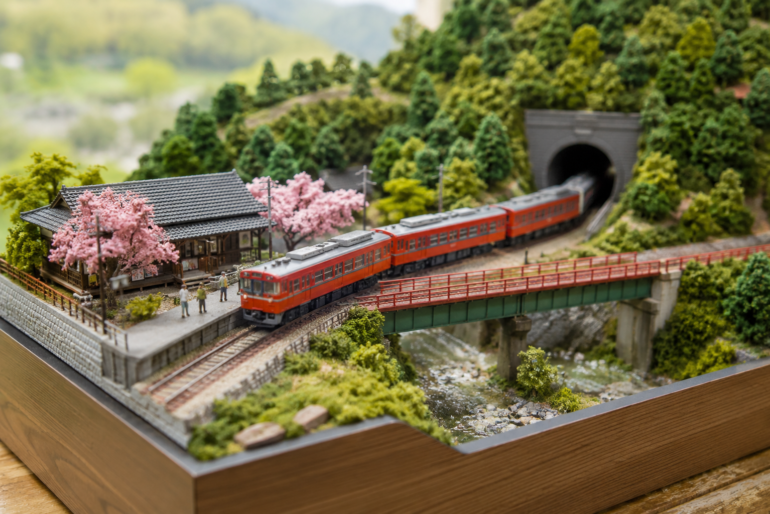
A Hakone Railway Model Layout is more than a small train running around a track. It is a miniature story of Japan’s mountain rail charm, steep slopes, forest scenery, station stops, bridges, tunnels, and quiet travel moments. For model train lovers, it offers something special: a layout that feels scenic, compact, emotional, and full of detail.
The real Hakone railway area is known for mountain travel, seasonal views, tight curves, and a peaceful journey through one of Japan’s most loved tourist regions. That makes it a perfect inspiration for a model railway display. A well-planned layout can capture the mood of Hakone without needing a huge room, expensive equipment, or museum-level building skills.
What makes this theme so attractive is its balance. It gives you trains, nature, architecture, and travel culture in one setup. You can build a simple tabletop version or a highly detailed display with layered mountains, switchbacks, small stations, and Japanese-style scenery.
What Is a Hakone Railway Model Layout?
A Hakone Railway Model Layout is a model train setup inspired by the mountain railway scenery of Hakone, Japan. It usually includes a miniature railway line, mountain slopes, trees, bridges, tunnels, station platforms, and scenic details that reflect Japanese rail travel.
The real Hakone Tozan Railway is one of Japan’s few mountain railways and is known for climbing steep slopes through changing seasonal landscapes. Hakone Navi describes it as a mountain railway where passengers can enjoy seasonal scenery while the train climbs through the mountainside.
For hobbyists, this gives the layout a strong visual identity. Instead of a flat city loop or a basic countryside track, the Hakone theme creates movement. The train appears to climb, turn, pause, and pass through a living landscape.
That is why this layout style works so well for display tables, home hobby rooms, railway clubs, and travel-inspired miniature scenes.
Why Hakone Works So Well as a Model Train Theme
Some real railways are difficult to turn into a miniature because they depend on scale, speed, or long-distance routes. Hakone is different. Its charm is in the details.
You do not need to copy every station or every curve exactly. You only need to capture the feeling.
A Hakone-inspired railway model can include:
- A small mountain station
- Curved track through forest scenery
- A bridge over a rocky stream
- Short tunnel entrances
- Steep visual elevation changes
- Japanese-style homes or inns
- Seasonal scenery such as cherry blossoms, autumn leaves, or hydrangeas
- A compact train moving slowly through the landscape
This is the kind of scene people stop and look at. Even someone who is not a model train collector can understand the appeal because it feels like a small travel memory.
The Hakone Railway Model Layout also allows builders to combine technical railway design with artistic scenery. That is a big reason why it suits both beginners and experienced modelers.
The Real Railway Inspiration Behind the Layout
The Hakone Tozan Line runs in Kanagawa Prefecture and is associated with mountain railway travel in the Hakone area. According to Hakone Navi, the railway climbs through mountainside scenery and connects with other Hakone transport options such as the cable car route between Gora and Sounzan.
Japan-guide also notes that the Hakone Tozan Line has two sections, including the route from Odawara to Hakone-Yumoto and the mountain section toward Gora.
For model railway builders, this matters because the real route has features that translate beautifully into miniature design. The mountain section, the compact stations, and the sharp visual changes all create natural storytelling.
The actual line is not just transportation. It is part of the travel experience. A model layout inspired by it should feel the same way.
Key Features of a Hakone Railway Model Layout
A strong Hakone Railway Model Layout should not look like a random train scene with a few trees added. It should feel intentional. Every detail should support the mountain railway atmosphere.
Mountain Terrain
The mountain terrain is the heart of the layout. Hakone is not a flat railway theme. Even if your track remains mostly level for practical reasons, the scenery should suggest elevation.
You can create this feeling with:
- Raised foam hills
- Rock faces beside the track
- Layered background mountains
- Small retaining walls
- Track disappearing into tunnels
- Trees placed at different heights
The goal is not to make the train climb unrealistically. The goal is to make the viewer believe the train is traveling through a mountain region.
Curved Track and Tight Spaces
A Hakone-inspired railway scene works best with curves. Straight track can look too plain unless it is used near a station or bridge.
Curves help create the sense of a train winding through narrow valleys. They also make the layout look larger than it really is because viewers cannot see the whole route at once.
For smaller boards, a folded loop or oval with hidden sections can work well. One part of the track can pass behind scenery, then reappear near a station or bridge.
Small Stations with Character
A station is often the emotional center of a model railway layout. In a Hakone theme, the station should feel calm and scenic rather than busy and urban.
You might add:
- A short platform
- A small shelter
- Signboards
- Benches
- Ticket barriers
- A few waiting passengers
- Flower planters
- Mountain-view fencing
Even a simple station can make the scene feel alive. It gives the train a reason to stop and gives the viewer a place to focus.
Bridges and Streams
A bridge can instantly make a layout feel more realistic. Hakone’s mountain setting makes bridges especially useful because they connect the train to the landscape.
A small bridge over a stream, ravine, or rocky dip can become one of the strongest visual points in the display. Add clear resin water, stones, moss, and bushes near the bridge for extra realism.
You do not need a large bridge. A short steel bridge or stone arch can be enough.
Tunnels and Hidden Track
Tunnels are perfect for compact layouts because they create mystery. The train disappears, then returns somewhere else.
This simple trick makes the layout feel bigger. It also supports the mountain railway theme. A tunnel entrance surrounded by rock, trees, and shadows can become a beautiful scenic detail.
For a Hakone Railway Model Layout, tunnel portals should look natural and slightly aged. Avoid making them too clean. Real mountain railway infrastructure usually carries weather marks, moss, dust, and time.
Best Scales for Building a Hakone-Inspired Layout
Choosing the right scale depends on space, budget, and the amount of detail you want.
N Scale
N scale is one of the best choices for a compact Hakone-style setup. It allows you to include mountains, stations, curves, and bridges in a smaller area.
This is helpful if you are building on a desk, shelf, or small table. You can create a full scenic journey without needing a large room.
N scale also works well for Japanese railway themes because many Japanese model train products are available in this size.
HO Scale
HO scale gives more detail and stronger visual presence. Buildings, people, signs, platforms, and trains are easier to see.
The tradeoff is space. A mountain layout in HO scale needs more room, especially if you want smooth curves and scenic depth.
If your goal is a display piece with rich details, HO scale can be beautiful. If your goal is a compact home project, N scale may be more practical.
Z Scale
Z scale is tiny, but it can work well for scenic mountain railways. It is ideal for very small spaces or display cases.
However, tiny details are harder to build and maintain. Beginners may find it more challenging than N scale.
Planning the Track Design
Track planning is where many model railway projects succeed or fail. A beautiful scene will not feel right if the train movement looks awkward.
For a Hakone-inspired railway, the track should feel like it belongs to the land. It should curve around hills, pass close to rock walls, cross water, and enter tunnels naturally.
A simple plan might include:
- One main loop
- One station siding
- One bridge section
- One tunnel section
- One scenic mountain backdrop
- One small village or station area
This is enough for a strong beginner layout.
A more advanced plan could include a switchback effect. The real Hakone mountain railway is known for dramatic mountain operation, and a miniature version can suggest that with track changes, reversing sections, or staged elevation.
However, if you are new to model railroading, keep the electrical and track design simple. Focus on clean running first. Scenery can always be improved later.
The National Model Railroad Association advises beginners not to fear experimentation, especially with scenery, because scenery can be repaired or done again as skills improve.
Creating Realistic Japanese Mountain Scenery
The scenery is what turns a track plan into a Hakone Railway Model Layout. Without the right environment, the layout will feel generic.
Forest and Vegetation
Hakone’s scenic identity is closely tied to nature. Your layout should include a mix of trees, shrubs, moss, and low plants.
Use different shades and sizes rather than one type of tree everywhere. Real forests are uneven. Some areas are dense, while others open up around tracks, roads, or streams.
For a more Japanese feel, you can add:
- Cherry blossom trees for spring
- Red and orange trees for autumn
- Hydrangea flowers near the track
- Bamboo accents in small areas
- Mossy stones and shaded slopes
Seasonal scenery gives the layout personality. A spring version feels soft and peaceful. An autumn version feels warm and nostalgic. A rainy mountain version feels dramatic and cinematic.
Rock Faces and Retaining Walls
Mountain railways often need engineering support. Retaining walls, rock cuts, and stone edges make the layout more believable.
You can build rock faces using foam, plaster cloth, carved insulation board, or commercial rock molds. Paint them in layered gray and brown tones, then dry-brush lighter highlights.
Add moss and small plants where rock meets soil. This tiny detail makes the scene feel older and more natural.
Roads, Paths, and Human Details
A railway layout should not be only tracks and trees. Small human details make it feel lived in.
Add a narrow road near the station, a walking path, a vending machine, a parked mini vehicle, or a few travelers with bags. These details tell the viewer that people use this railway, not just trains.
A small footpath leading from a station to a village inn can add charm. A couple of passengers waiting under a shelter can make the entire layout feel warmer.
Choosing Trains for the Layout
The train is the moving star of the display. For a Hakone theme, a compact Japanese electric train works better than a long freight train or high-speed bullet train.
Look for short passenger train sets that fit mountain curves. A two-car or three-car train often looks more realistic on a compact scenic layout than a long train that overwhelms the scene.
Japanese train models from brands such as KATO, TOMIX, Micro Ace, and others are popular among railway hobbyists. Availability can vary, so builders often choose a train that captures the general Japanese mountain railway look even if it is not an exact Hakone model.
The most important visual features are:
- Short train length
- Clean passenger design
- Bright but realistic color
- Smooth low-speed running
- Good performance on curves
A Hakone Railway Model Layout should feel calm and scenic, so slow train movement usually looks better than fast running.
Lighting and Atmosphere
Lighting can completely change the mood of the layout. A simple train scene can become magical with the right lighting setup.
For a daytime Hakone look, use soft white lighting. Avoid harsh direct light that creates unrealistic shadows.
For a rainy or evening scene, use warmer station lights, darker background colors, and subtle reflections near roads or water. A few lit windows in a station building can make the layout feel alive.
If you want a display-piece effect, consider adding:
- LED station lamps
- Interior lights in train cars
- Soft background lighting
- Hidden tunnel lights
- Small warm lights near buildings
Lighting should support the story, not distract from it. Keep it subtle.
Building a Compact Hakone Railway Model Layout at Home
You do not need a full basement or dedicated hobby room. A small Hakone-inspired layout can be built on a board, shelf, or modular base.
A good beginner size might be around 2 feet by 4 feet in N scale. This gives enough room for a loop, station, mountain side, tunnel, and bridge.
Start with a simple baseboard. Test your track before adding scenery. Run the train many times at different speeds. Fix any bumps, weak connections, or tight curve issues early.
Once the train runs smoothly, begin shaping the land.
A practical building order looks like this:
- Choose the scale and board size
- Place the track temporarily
- Test train movement
- Mark station and bridge positions
- Build raised landforms
- Add tunnel portals and retaining walls
- Paint the base ground colors
- Add trees, rocks, and water details
- Install buildings and small figures
- Add final weathering and lighting
This order saves frustration. Many beginners start with scenery too early, then realize the train does not run well. Track reliability should always come first.
Table: Simple Layout Ideas by Space
| Available Space | Best Scale | Layout Style | Good Features to Include |
|---|---|---|---|
| Small shelf | Z scale or N scale | Display loop | Tunnel, trees, mini station |
| Desk-size board | N scale | Scenic oval | Bridge, station, mountain slope |
| 2×4 foot board | N scale | Compact mountain railway | Tunnel, village, stream, curves |
| Large table | HO or N scale | Detailed scenic route | Multiple stations, switchback effect, layered mountains |
| Modular setup | N or HO scale | Expandable layout | Separate station, valley, bridge, and town modules |
This table shows that a scenic Japanese railway theme can fit many spaces. The key is choosing the right scale and not overcrowding the scene.
Common Mistakes to Avoid
A Hakone Railway Model Layout should feel natural and balanced. Too many elements can make it look messy.
One common mistake is adding too much scenery without leaving visual breathing room. Mountains, trees, buildings, roads, signs, bridges, and people all need space.
Another mistake is using curves that are too tight for the train. Even if a train can technically run on a curve, it may look unrealistic if the cars overhang too much.
Also avoid mixing too many unrelated themes. A Japanese mountain railway scene should not have random European castles, American freight yards, or futuristic city towers unless you are intentionally creating a fantasy layout.
Keep the theme clear.
Real-World Scenario: A Beginner’s First Hakone-Inspired Setup
Imagine a beginner named Daniel who has a small spare desk and wants a relaxing model railway project. He chooses N scale because space is limited.
He starts with a simple oval track. Instead of leaving it flat, he adds a raised mountain corner with a tunnel. On the front side, he places a small station with two benches and a few passengers. A short bridge crosses a rocky stream near the left curve.
At first, the layout is basic. But after adding trees, moss, station lights, and a few Japanese-style buildings, the scene begins to feel like a mountain railway journey.
This is the strength of the Hakone theme. It rewards small details. You do not need a massive railway empire. You need atmosphere, proportion, and patience.
How to Make the Layout Feel More Authentic
Authenticity does not mean copying every real-world measurement. It means making the scene feel believable.
Use reference photos of Hakone stations, mountain railways, Japanese rural buildings, and forested slopes. Notice how tracks sit close to hillsides. Notice how stations are compact. Notice how roads, stairs, and paths connect to platforms.
Small details matter:
- Weathered platform edges
- Realistic signs
- Low fences
- Drainage channels
- Stone walls
- Utility poles
- Narrow roads
- Soft vegetation around buildings
Try not to make everything look brand new. Real railways show age. Add gentle weathering to tracks, walls, roofs, and tunnel portals.
A little dirt near the rails and moss near shaded rocks can make a big difference.
Maintenance Tips for Long-Term Display
A model railway is not finished forever once scenery is complete. It needs light maintenance.
Dust can collect on tracks, trees, roofs, and water surfaces. Clean the rails regularly with a proper track cleaner. Keep train wheels clean too, because dirty wheels can cause poor running.
Avoid placing the layout in direct sunlight. Strong sunlight can fade scenery and warp some materials over time.
If your layout has delicate trees or figures, use a soft brush or air blower for cleaning. Do not use too much force around small details.
For storage, cover the layout with a clear acrylic case or lightweight dust cover if possible.
Is a Hakone Railway Model Layout Good for Beginners?
Yes, it can be excellent for beginners, especially in N scale. The theme is scenic but flexible. You can start simple and add more details over time.
A beginner does not need to build complex switchbacks, advanced wiring, or exact station replicas. A basic scenic loop with a station, tunnel, and mountain backdrop can already feel impressive.
More advanced builders can push the concept further with elevation changes, lighting, realistic water, custom buildings, and detailed train operations.
That means the Hakone Railway Model Layout grows with your skill level. It is not a one-time project. It can become a long-term hobby piece.
Frequently Asked Questions
What makes a Hakone Railway Model Layout different from other train layouts?
A Hakone Railway Model Layout focuses on Japanese mountain railway scenery. It usually includes compact trains, curved tracks, tunnels, bridges, forested slopes, and small scenic stations.
What scale is best for a Hakone-inspired railway model?
N scale is often the most practical choice because it allows more scenery in less space. HO scale is better for larger displays where visible detail matters more than compact design.
Can I build this layout without Japanese train models?
Yes. While Japanese trains create a more authentic look, you can use any short passenger train that fits the mountain railway mood. The scenery and layout design will still communicate the Hakone inspiration.
How much space do I need?
A small N scale version can fit on a shelf or 2×4 foot board. A more detailed version with stations, bridges, and layered mountains will need more space.
Should the train actually climb steep grades?
Not necessarily. Realistic model train grades can be difficult, especially in small layouts. You can create the illusion of elevation with scenery while keeping the track reliable.
Conclusion
A Hakone Railway Model Layout is a beautiful choice for anyone who loves model trains, Japanese travel scenery, and miniature storytelling. It combines railway movement with mountain atmosphere, making the display feel peaceful, detailed, and memorable.
The best part is that it does not have to be huge. A small board with a curved track, tunnel, bridge, station, and forest scenery can still capture the feeling of a Japanese mountain journey. With careful planning, realistic vegetation, soft lighting, and a few human details, the layout becomes more than a hobby project. It becomes a tiny travel scene.
For builders who enjoy scenic design, the Hakone Railway Model Layout offers plenty of creative freedom. You can make it spring-like with blossoms, autumn-inspired with warm leaves, or dramatic with misty mountain lighting. The real Hakone Tozan Line has long been admired as part of Japan’s mountain railway experience, and a model version can bring that charm into your own home display.
In the end, the goal is simple: create a miniature railway that makes people pause, look closer, and feel like they are watching a small train travel through the mountains of Japan. For readers who want a touch of real-world background, the Hakone Tozan Line is a meaningful reference point for understanding the inspiration behind this scenic railway theme.