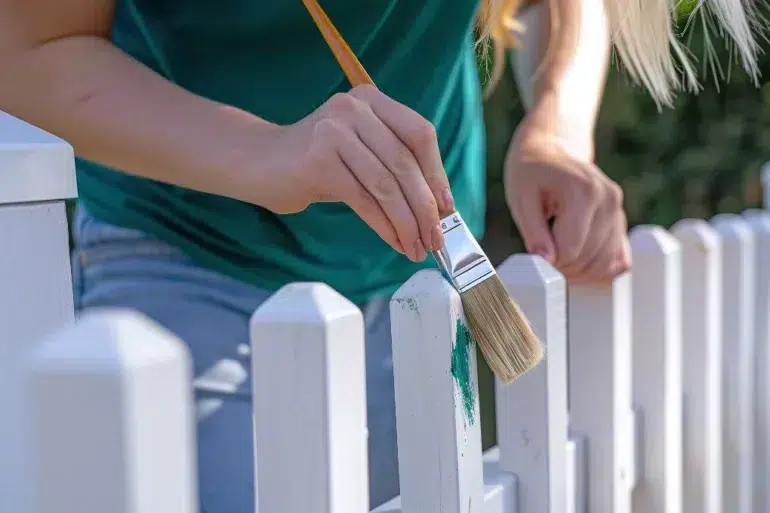
A fence is exposed to the outdoors every day, making it vulnerable to a variety of environmental conditions. Sunlight, rain, humidity, and seasonal temperature changes gradually affect both its appearance and structural condition. While a quality fence can provide years of reliable service, its longevity often depends on how well it is protected from these constant external influences.
Many property owners focus on installation quality but underestimate the importance of ongoing surface protection. Without preventative care, fencing materials can begin to fade, crack, warp, or absorb moisture. These issues often start gradually and become more noticeable as time passes.
One of the most effective ways to preserve a fence is through proper staining. This protective treatment helps maintain durability, improves appearance, and supports long-term performance by creating a barrier against environmental damage.
Why Outdoor Exposure Impacts Fence Lifespan
Every outdoor structure faces continuous exposure to natural elements. Fences are particularly vulnerable because they remain exposed year-round without shelter from changing weather conditions. Even durable materials experience gradual wear when subjected to constant environmental stress.
Ultraviolet rays from the sun can break down surface fibers and cause fading. Moisture from rain, snow, and humidity can penetrate materials, leading to swelling, decay, and other forms of deterioration. Temperature fluctuations further contribute by causing materials to expand and contract repeatedly.
Over time, these combined effects weaken the surface and increase the likelihood of structural damage. Protecting against these factors is essential for maintaining long-term fence performance.
Understanding How Staining Protects Fence Surfaces
Unlike surface coatings that simply sit on top of a material, staining penetrates deeper into the fence surface. This allows the treatment to become part of the material itself rather than forming only a superficial layer of protection.
The penetration process helps create a barrier that reduces the effects of moisture and sunlight. At the same time, it preserves the natural appearance of the material while enhancing its visual character. This combination of protection and aesthetics makes staining a valuable component of fence maintenance.
By strengthening the outer layer of the fence, staining helps slow down the natural aging process that occurs with prolonged outdoor exposure.
Preventing Moisture-Related Damage
Moisture is one of the most common causes of fence deterioration. When water enters untreated materials, it can create conditions that encourage rot, mold growth, and internal weakening. These problems often develop gradually and may not become visible until significant damage has already occurred.
Proper fence staining in Atlanta helps reduce water absorption while still allowing the material to release trapped moisture naturally. This balance is important because excessive moisture retention can accelerate structural decline.
By limiting water penetration, property owners can significantly reduce the risk of costly damage and extend the lifespan of their fencing systems.
Protecting Against Sunlight and UV Exposure
While moisture receives considerable attention, sunlight can be equally damaging over time. Continuous UV exposure causes surfaces to lose color, dry out, and become more susceptible to cracking.
The protective qualities of staining help reduce the impact of ultraviolet rays by shielding the surface from direct exposure. This protection preserves the natural appearance of the fence while minimizing weather-related fading.
A fence that maintains its color and surface condition not only lasts longer but also continues contributing positively to the property’s overall appearance.
Reducing Cracking, Splitting, and Warping
Environmental stress often causes materials to react in ways that affect both appearance and performance. Excessive drying can lead to cracks and splits, while uneven moisture absorption may cause warping or distortion.
These changes not only affect aesthetics but can also weaken the structure. Small cracks often become entry points for moisture, creating additional opportunities for deterioration. Warping may place extra stress on connections and support systems.
Regular staining helps regulate moisture levels within the material, reducing the likelihood of these problems. Consistent protection supports stability and helps maintain structural integrity.
Improving Appearance and Visual Consistency
A fence contributes significantly to curb appeal, making appearance an important consideration for many property owners. Weather exposure can cause uneven fading, discoloration, and surface wear that diminish the overall look of the property.
Staining enhances natural textures while providing a more consistent appearance across the entire fence. It can highlight grain patterns, enrich color tones, and create a cleaner, more refined finish.
Hawk Fences LLC recognizes that appearance and durability often go hand in hand. Maintaining a visually appealing fence helps support both property value and long-term satisfaction.
Supporting Long-Term Durability
Durability is one of the primary reasons property owners invest in protective maintenance. A fence that receives proper care generally remains functional longer than one left exposed without protection.
Preventative treatments help reduce the rate of environmental deterioration, preserving both strength and appearance. Rather than allowing damage to develop and spread, property owners can proactively protect their investment through regular maintenance practices.
Staining serves as an important part of this strategy by helping materials withstand the challenges associated with outdoor exposure.
Reducing Future Maintenance Requirements
Neglected fencing often requires more frequent repairs due to accelerated wear and deterioration. Cracks, rot, fading, and structural weakening can all lead to increased maintenance demands over time.
Applying protective treatments before significant damage occurs helps minimize these issues. Property owners who invest in routine care often experience fewer unexpected maintenance concerns and lower long-term ownership costs.
Hawk Fences LLC helps property owners understand the value of preventative maintenance. Consistent care can significantly reduce the need for extensive restoration work in the future.
Creating a Year-Round Protection Strategy
Different seasons introduce different challenges for fencing systems. Summer brings intense sunlight and heat, while wetter seasons increase moisture exposure. Winter temperature fluctuations can also place stress on materials.
A comprehensive maintenance approach accounts for these changing conditions throughout the year. Regular inspections help identify areas that may require attention before damage becomes severe.
Staining should be viewed as part of a broader strategy focused on preserving durability and performance. When combined with routine inspections and maintenance, it helps ensure reliable long-term results.
Conclusion
Outdoor exposure gradually affects every fence, regardless of material or design. Sunlight, moisture, and seasonal weather conditions all contribute to wear that can reduce both appearance and structural integrity over time.
Staining provides an effective solution by protecting surfaces from environmental damage while enhancing visual appeal. It helps reduce moisture penetration, limit UV-related deterioration, and support long-term durability.
With guidance from Hawk Fences LLC, property owners can implement maintenance practices that preserve both function and appearance. Hawk Fences LLC understands the importance of preventative care, and proper staining remains one of the most valuable investments for extending the life and performance of any fencing system.