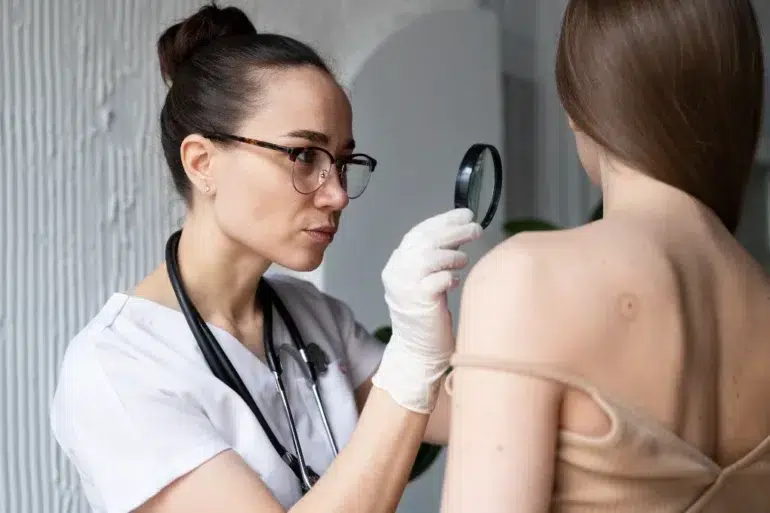
In the quest for maintaining optimal skin health, one cannot overstate the importance of undergoing a regular skin check in Melbourne. Such preventative measures are not only vital for aesthetic reasons but are crucial in the early detection and treatment of skin cancer.
Understanding Skin Cancer
Skin cancer is one of the most common types of cancer, with millions of new diagnoses each year worldwide. It occurs when there is an abnormal growth of skin cells, often caused by excessive exposure to ultraviolet (UV) radiation from the sun or tanning beds.
The Benefits of Early Detection
The key to effectively treating skin cancer lies in early detection. When caught early, the survival rate for most types of skin cancer is significantly higher. Regular skin checks help in identifying suspicious moles or lesions at the earliest possible stage, when treatment is most successful.
Who Should Get a Skin Check?
It is recommended that everyone, regardless of age or skin type, should get regular skin checks. However, individuals with certain risk factors such as fair skin, a history of sunburns, excessive time spent outdoors, or a family history of skin cancer should be particularly vigilant.
What to Expect During a Skin Check
A comprehensive skin check is usually performed by a dermatologist or a skilled healthcare practitioner. The examination includes a visual inspection of the entire skin surface to identify any unusual spots, moles, or lesions.
How Often Should You Have Skin Checks?
For individuals with no specific risk factors, an annual skin check is usually sufficient. However, those at higher risk may need to consult with their doctor to determine an appropriate schedule, which could be more frequent.
Signs and Symptoms to Watch For
Apart from scheduled skin checks, individuals should remain vigilant and perform self-examinations. Warning signs include new moles, changes in existing moles, or any lesions that do not heal. These can be indicative of issues that require professional attention.
Advanced Skin Imaging Techniques
Technological advancements in medical imaging have significantly enhanced the accuracy of skin checks. Techniques such as dermoscopy provide magnified, detailed images of the skin, aiding in the accurate assessment of moles and lesions.
Prevention Tips for Skin Health
In addition to regular professional skin checks, individuals should adopt protective measures to guard against UV radiation. This includes using broad-spectrum sunscreen, wearing protective clothing, and avoiding peak sun hours.
The Role of Diet and Lifestyle
Maintaining a healthy lifestyle, including a balanced diet rich in antioxidants, can support skin health. Staying hydrated and eating foods high in vitamins C and E can bolster the skin’s natural defenses.
The Psychological Impact of Skin Cancer
Beyond the physical implications, dealing with skin cancer can take a psychological toll. Early detection and treatment not only improve medical outcomes but also alleviate the emotional stress associated with advanced-stage cancers.
Post-Treatment Care and Follow-up
For individuals diagnosed with skin cancer, post-treatment care is crucial. Regular follow-up appointments are essential to monitor for recurrence and address any residual skin issues.
Leveraging Telehealth for Skin Checks
With the advent of telehealth, initial consultations for skin concerns can be conducted remotely. While not a replacement for in-person checks, it provides a convenient option for follow-up discussions and preliminary assessments.
Educating the Public on Skin Cancer
Public awareness campaigns play an essential role in educating communities about the importance of skin health. They encourage preventive measures and demystify the process of professional skin checks.
Conclusion
Regular skin checks are integral to maintaining skin health and preventing skin cancer. In places like Melbourne, accessing these services is both a preventative and potentially life-saving measure. Emphasising routine checks along with self-awareness can make a significant difference in outcomes.