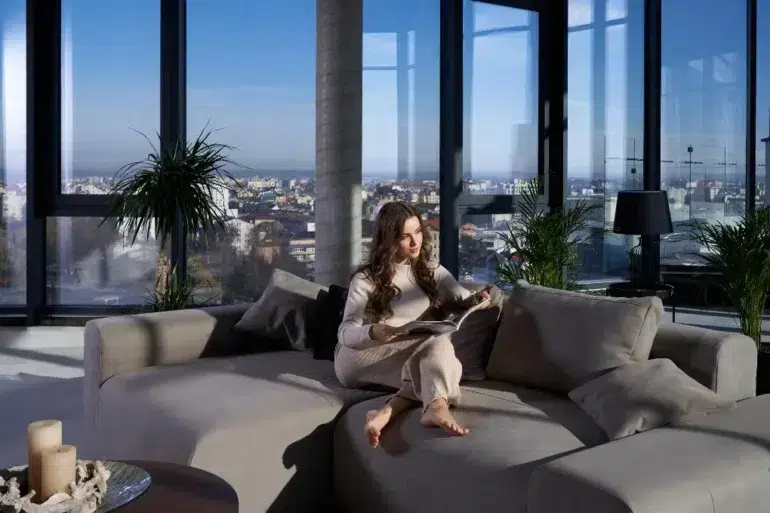
What does real luxury actually feel like? Honestly, not the flashiest kitchen renovation or the most jaw-dropping square footage. Real luxury is a home that genuinely puts you back together after a brutal day. That quiet shift is reshaping luxury home design right now, and it’s happening faster than most people realize.
Buyers aren’t just hunting for beautiful spaces anymore. They want homes that actively work for their mental and physical health. The demand for recovery-focused homes has surged dramatically over the past several years, and it’s completely rewriting what high-end living actually means. This isn’t a trend you can wait out; it’s a full redefinition of comfort itself.
Wellness-Driven Architecture: The New Blueprint for Luxury Homes
The whole blueprint for luxury is getting redrawn from scratch. Architects and designers are now building with healing baked in from day one, and the results are genuinely remarkable.
Wellness real estate has grown by 19.5% annually over the five years from 2019–2024, versus just 5.5% average annual growth for overall construction. That gap tells you everything about where priorities are heading right now.
Smart Recovery Zones: Healing Spaces Built Right Into Your Home
Dedicated recovery spaces are quickly becoming standard in high-end homes. Private spa suites, floatation rooms, and meditation pods designed specifically to reduce cortisol and mental fatigue; these aren’t novelties anymore. They’re expected.
Biophilic elements, such as living walls, natural stone, and flowing water features, are showing up in bedrooms and home gyms alike. These aren’t just decorative choices. They’re intentional design tools that actively support physical recovery and emotional regulation daily.
Flexible movement spaces for yoga, stretching, and low-impact training are replacing those stiff, rarely-used formal sitting rooms. Homeowners want functional beauty now, not just something that photographs well.
Where Advanced Wellness Tech Fits In, including the OSIM back massager collection
Here’s where things get genuinely exciting. When it comes to blending advanced wellness technology into modern interiors, the OSIM back massager collection is increasingly being built directly into living spaces, giving residents on-demand access to real physical recovery without ever having to leave their home.
Circadian lighting systems, smart air purification, and adaptive soundscapes are also being wired directly into walls and ceilings. These invisible systems do serious visible work, quietly calibrating the home environment around your body’s natural rhythms.
Get the right tech in place, and recovery-focused homes stop feeling like a luxury; they start feeling like a basic necessity.
The architecture sets the stage. But the environmental details? That’s what actually seals the deal.
Health-Centric Home Design: The Features That Actually Matter
Universal wellness features lay the groundwork, and then personalized layers build everything on top of that foundation. Health-centric home design addresses what you breathe, drink, and see literally every single day, the stuff that adds up quietly over time.
Optimizing Air, Water, and Light for Real Recovery
Indoor air quality is a more serious health concern than most people give it credit for. Advanced filtration systems and UV purification are now being incorporated directly into HVAC units, dramatically cutting allergens and airborne pathogens.
Water wellness matters just as much, maybe more. Touchless filtration taps, remineralization systems, and hydrotherapy showers are becoming standard in recovery-focused homes. A rainfall shower shouldn’t just look beautiful. It should genuinely help you decompress.
Adaptive lighting does more work than you’d probably expect. Dynamic LED systems that shift with your circadian rhythm improve sleep quality, mood stability, and that impossible-to-fake morning energy. Strategically placed skylights reduce dependence on artificial light altogether.
Materials, Colors, and Surfaces That Support Your Nervous System
The surfaces you touch and the colors surrounding you shape your nervous system’s response, whether you notice it or not. Hypoallergenic flooring, non-toxic paints, and organic textiles reduce chemical load on the body without sacrificing an ounce of elegance.
Soft chromotherapy, the strategic use of calming hues like sage, warm ivory, or muted terracotta, is becoming a genuine design standard in recovery-oriented bedrooms and bathrooms across the US.
Aromatherapy diffusion built into wall systems and sound-dampening architectural panels aren’t extras in luxury home design anymore. They’re expected. Full stop.
Personalized Wellness Retreats: Homes Built Around You
The most transformative homes go way beyond universal features. They’re tailored deeply and specifically to the person actually living inside them.
Designing for Mind, Body, and Emotional Health Together
Restorative bedroom design is getting serious scientific attention lately. In-home sleep optimization, think temperature-controlled mattress systems, true blackout architecture, and low-EMF environments, is producing measurable improvements in cognitive health and recovery rates for real people.
Digital detox zones are becoming increasingly popular, too: dedicated spaces with zero screens, no notification sounds, no intrusions. Reading alcoves, art rooms, and sensory gardens fill that role beautifully without feeling sterile.
A single smart home interface can now let residents control their entire environment with one tap, from activating aromatherapy and light settings to accessing physical recovery tools like those in the OSIM back massager collection, making everyday wellness feel effortless rather than effortful.
What’s Next: The Innovations Reshaping Recovery-Focused Homes
If personalized wellness spaces feel cutting-edge today, buckle up, the next wave of recovery focused homes will feel almost clinical. In the absolute best way possible.
At-Home Longevity Clinics and Biohacking Labs
81.2% of remote workers reported musculoskeletal pain in the past 12 months, with neck, lower back, and shoulders taking the worst of it. That number is reshaping home design priorities faster than anyone anticipated.
Red light therapy panels, cryotherapy units, and oxygenation pods are showing up inside private residences. IV vitamin stations and infrared saunas are no longer reserved for spa resorts or elite athletic facilities.
Wellness-First Home Offices and Outdoor Regeneration Spaces
Ergonomic workspaces are being reimagined from the inside out, with posture-support furniture, circadian lighting, and micro-break prompt systems built right into workstations. Active recovery stations near desks make it genuinely easy to stay physical throughout a long workday.
Outside? Healing gardens, Nordic-style outdoor saunas, and hot-cold plunge circuits are turning backyards into serious recovery tools. Shinrin-yoku-inspired forest bath areas bring restorative nature experiences directly home.
These spaces reflect a broader philosophy that’s hard to argue with: recovery doesn’t stop at the front door.
Comparison Table: Traditional Luxury vs. Recovery-Focused Luxury Design
| Feature | Traditional Luxury Design | Recovery-Focused Luxury Design |
| Primary Focus | Aesthetics and status | Health, recovery, and well-being |
| Air Quality | Standard HVAC | UV purification and smart filtration |
| Lighting | Decorative | Circadian-adaptive LED systems |
| Massage Integration | Separate spa visits | Built-in recovery tech like OSIM |
| Outdoor Space | Landscaping | Healing gardens, plunge pools |
| Status Signal | Visual grandeur | Personalized comfort and restoration |
Common Questions About Recovery-Focused Luxury Homes
What is the future of home design?
Customizable furniture, modular designs, and adaptable decor will dominate as individuals seek homes reflecting unique tastes. Trends include 3D printing and innovative technologies, crafting one-of-a-kind pieces suited to the homeowner’s exact needs and aesthetic.
What makes great design in luxury homes?
These homes are often characterized by spacious, bright areas. High ceilings and large windows allow natural light to flow, conveying well-being to residents. Finishes and furnishings play a fundamental role in achieving that unmistakable luxurious feel.
Can wellness home features increase property value?
Absolutely. Recovery-focused features from air purification to smart lighting and dedicated wellness spaces consistently attract premium buyers, improve resale value, and position properties competitively in a rapidly growing wellness real estate segment.
Your Home Should Be Healing You
The future of luxury living isn’t about bigger footprints or bolder finishes. It’s about smarter, healthier spaces that genuinely work on your behalf. As wellness home trends keep accelerating, the homes that hold lasting value financially and personally will be the ones designed around real human recovery.
Whether that means investing in health-centric home design features, carving out serious restoration zones, or integrating tools that support daily physical renewal, every intentional choice you make moves you closer to something most homes never deliver: a space that doesn’t just impress people who visit it, but actively heals the person who lives there.