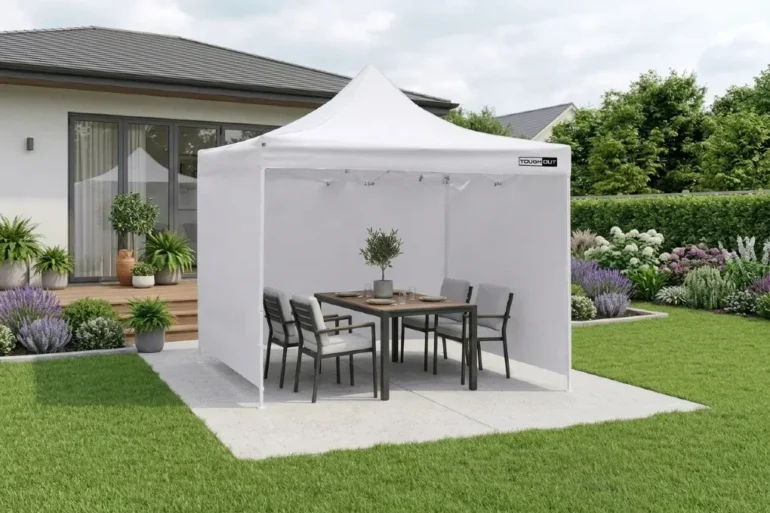
Picture this: you’ve driven hours to reach your favorite campsite, only to find yourself squinting under relentless midday sun with no natural shade in sight. Or perhaps you’ve just finished setting up your tent when dark clouds roll in, sending everyone scrambling for cover with nowhere dry to gather, cook, or simply relax. These scenarios play out at campsites every weekend, turning what should be rejuvenating outdoor escapes into uncomfortable ordeals. A portable white gazebo offers an elegant, practical solution to these common camping frustrations. Lightweight enough to transport in your vehicle yet sturdy enough to withstand wind and rain, a quality gazebo transforms any campsite into a comfortable outdoor living space. The white canopy reflects sunlight to keep temperatures cooler underneath, while its clean aesthetic blends beautifully with any natural setting. Beyond weather protection, it creates a defined social area where your group can cook, eat, play games, or simply unwind together. This guide will walk you through selecting the right portable white gazebo for your camping style, transporting it efficiently, and maintaining it so it serves you reliably for years of adventures ahead.
Choosing the Perfect Portable White Gazebo for Camping
Selecting the right portable white gazebo can mean the difference between a camping trip you’ll fondly remember and one you’d rather forget. With dozens of options flooding the market, understanding what truly matters for campsite use helps you cut through marketing noise and invest wisely. The perfect camping gazebo balances several competing demands: it must be light enough to carry yet robust enough to handle weather, compact enough to fit in your vehicle yet spacious enough to shelter your group comfortably. Your specific camping style also shapes the ideal choice. Weekend car campers who set up at established sites have different needs than festival-goers who trek across muddy fields, and families with young children prioritize different features than couples seeking a romantic glamping setup. By evaluating your typical camping scenarios honestly before purchasing, you’ll find a gazebo that genuinely enhances every trip rather than collecting dust in your garage after one frustrating outing.
Why a White Gazebo is Ideal for Outdoor Enthusiasts
The color of your gazebo canopy isn’t merely an aesthetic choice—it fundamentally affects your comfort underneath. White fabric reflects a significant portion of solar radiation rather than absorbing it, which means the shaded area beneath stays noticeably cooler than under darker canopies. On a sweltering July afternoon, this temperature difference can reach several degrees, making your cooking area, dining space, or relaxation zone genuinely pleasant rather than just slightly less hot than direct sun. White also offers practical safety advantages at campsites. A white gazebo stands out clearly against green foliage and brown earth, making your campsite easy to locate when family members return from hikes or bathroom trips, especially as dusk settles. This visibility also helps neighboring campers see your setup clearly, reducing the chance of someone accidentally driving into your shelter in low light conditions. From a purely visual standpoint, white complements every natural environment beautifully. Whether you’re camped beside a turquoise lake, among golden autumn trees, or on a green meadow, a white gazebo looks intentional and clean without clashing with its surroundings. This neutral tone also serves as an excellent backdrop for string lights, bunting, or other decorations if you’re celebrating a birthday or special occasion outdoors.
Key Features to Evaluate in a Portable Gazebo
Weight determines how willingly you’ll actually bring your gazebo on trips. Models designed for camping typically range from 15 to 45 pounds, and every pound matters when you’re loading a vehicle already packed with sleeping bags, coolers, and cooking gear. Look for gazebos that pack down into a single carry bag with shoulder straps or wheels, as this dramatically simplifies transport from car to campsite. Frame construction deserves careful scrutiny because it bears the structural load during wind gusts and rain accumulation. Steel frames offer superior strength and stability but add considerable weight. Aluminum frames strike an appealing middle ground—they resist rust naturally, weigh significantly less, and still handle moderate wind when properly staked. Fiberglass components occasionally appear in budget models but tend to crack under stress rather than bending gracefully.
Canopy material quality separates gazebos that last five seasons from those that deteriorate after two. Polyester with a minimum 150D thread count provides reasonable durability, while 300D or higher offers noticeably better tear resistance and longevity. Waterproof coatings matter enormously—look for polyurethane coating rated at least 1000mm hydrostatic head, which handles moderate rainfall without leaking through. Ventilation features prevent your gazebo from becoming a wind sail during gusts. Vented canopy tops allow air to pass through rather than catching underneath and lifting the entire structure. This single design element dramatically improves stability and reduces the anchoring required to keep your shelter grounded during breezy conditions.
Spotlight on Costway-AU Gazebo and Other Top Models
The Costway-AU gazebo has earned a loyal following among camping enthusiasts, and for understandable reasons. Their portable models typically feature powder-coated steel frames that resist corrosion, straightforward pop-up assembly mechanisms, and canopies with both UV protection and water-resistant coatings. What distinguishes Costway-AU from many competitors is the inclusion of sidewalls with several of their models, giving campers the option of enclosed protection during driving rain or added privacy at crowded campgrounds. When comparing the Costway-AU gazebo against other popular options, consider how each brand prioritizes different strengths. Some competitors focus primarily on ultralight weight, producing gazebos that pack remarkably small but sacrifice some wind resistance. Others emphasize maximum coverage area, offering spacious 12-by-12-foot shelters that accommodate large groups but require more effort during setup and transport.
Assessing quality before purchasing requires looking beyond specifications on paper. Check customer reviews specifically from campers rather than backyard party users, since camping demands are distinctly different. Examine how the frame joints connect—metal-to-metal connections with locking pins outperform plastic connectors that can crack in cold weather. Test the carry bag if possible, because a well-designed bag with adequate padding protects your investment during every transport. Consider whether replacement parts are readily available from the manufacturer, as a single broken connector shouldn’t render an otherwise excellent gazebo useless.
Practical Steps for Transporting Your Gazebo to Campsites
Efficient transport begins at home with thoughtful packing. Place your gazebo bag in the vehicle last so it comes out first at your campsite—you’ll want shade established before unloading everything else. Position the bag flat along the vehicle floor or roof rack rather than standing upright, which prevents frame components from settling unevenly and stressing joints during the drive. If your vehicle space is tight, remove the canopy from the frame bag and fold it separately into gaps between other gear.
Arriving at your campsite, survey the ground before unpacking. Choose a level spot free of sharp rocks or roots that could puncture the canopy if it touches the ground during setup. Clear any overhead branches that might snag fabric as you raise the structure. For pop-up style gazebos, recruit at least one helper—two people can smoothly extend the frame while a solo attempt often results in uneven expansion that strains connectors. Extend the frame partially, drape the canopy over the top, then fully expand and lock the legs. Stake each corner immediately, even if conditions seem calm, because unexpected gusts arrive without warning. Carry a small mallet specifically for driving stakes into hard ground, and pack at least four extra stakes plus guy ropes for windy conditions. When breaking camp, reverse the process methodically: remove stakes, lower the frame partially, detach or fold the canopy, then collapse the frame completely before sliding it back into its bag. Rushing this process causes most transport-related damage, so allocate ten unhurried minutes for proper teardown.
Storing and Maintaining Your Portable White Gazebo
A portable white gazebo represents a meaningful investment in your camping comfort, and how you treat it between trips determines whether it serves you for a single season or an entire decade. Many campers focus entirely on the purchase decision and setup technique but neglect the equally important practices of proper storage and ongoing maintenance. This oversight leads to preventable deterioration—mold creeping across a damp-stored canopy, rust forming on frame joints left exposed to humidity, or fabric weakening from UV damage during garage storage near windows. The good news is that caring for your gazebo requires minimal time and effort when you establish consistent habits. A fifteen-minute post-trip routine and seasonal check-ups keep your shelter performing like new, ensuring it pops up smoothly and protects reliably every time you head outdoors. The portability that makes your gazebo convenient for camping also makes it vulnerable during storage, since folded fabric traps moisture and compressed frames concentrate stress on specific joints. Understanding these vulnerabilities helps you store and maintain your gazebo intelligently rather than simply shoving it into a corner until your next adventure.
Best Practices for Storage to Ensure Longevity
The single most important storage rule is deceptively simple: never pack your gazebo away wet or even damp. After your camping trip, if the canopy collected morning dew or rain, set it up in your backyard or drape it over a fence until completely air-dried. This might mean waiting a day after returning home before final storage, but skipping this step virtually guarantees mold growth within weeks. Once dry, brush off any loose dirt, leaves, or debris that accumulated during your trip.
Choose your storage location thoughtfully. A cool, dry space away from direct sunlight works best—a closet, basement shelf, or interior garage wall all serve well. Avoid attics where summer heat can degrade waterproof coatings and weaken fabric fibers over time. Keep the gazebo elevated off concrete floors, which can transfer moisture upward through the bag. If your storage area occasionally experiences humidity, toss a few silica gel packets inside the carry bag to absorb ambient moisture before it reaches the fabric. Store the gazebo in its original carry bag or a breathable canvas cover rather than sealed plastic containers, which trap any residual moisture and create a breeding ground for mildew. Position the bag so nothing heavy rests on top of it, as prolonged pressure on folded frame joints can weaken connectors or create permanent creases in the canopy that become stress points during future use. For long-term off-season storage, consider loosening the bag’s compression straps slightly to reduce constant pressure on the materials inside.
Maintenance Steps for a Durable White Gazebo
Routine cleaning keeps your white canopy looking fresh and functioning properly. After every two or three camping trips, wipe down the canopy with a solution of mild soap and lukewarm water using a soft sponge or cloth. Avoid harsh detergents, bleach, or pressure washers, which strip protective coatings and damage fabric fibers. For stubborn stains—bird droppings, tree sap, or food splashes—apply the soapy solution directly and let it soak for ten minutes before gently scrubbing. Rinse thoroughly with clean water and dry completely before storing.
Frame maintenance takes just minutes but prevents costly failures at your campsite. At the start of each camping season, fully extend the frame and inspect every joint, connector, and locking mechanism. Wiggle each connection point to check for looseness or wear. Apply a light silicone-based lubricant to sliding joints and hinges—this keeps the pop-up mechanism operating smoothly and prevents metal-on-metal grinding that accelerates wear. Examine leg height adjusters for bent pins or stripped threads, and test that each leg locks securely at full extension. Check your stakes and guy ropes simultaneously, replacing any bent stakes or frayed ropes before they fail during a trip. Waterproof coatings gradually diminish with use and UV exposure, so reapply a spray-on fabric waterproofer annually or whenever you notice water soaking into the canopy rather than beading on the surface. This five-minute treatment restores rain protection and extends the canopy’s functional life considerably.
Solving Common Storage and Maintenance Issues
Mold and mildew represent the most frequent problem campers encounter with stored gazebos, particularly white canopies where discoloration shows prominently. If you discover mold spots, mix one cup of white vinegar with one cup of warm water, apply it to affected areas with a spray bottle, and let it sit for an hour. Scrub gently with a soft brush, rinse thoroughly, and dry the canopy in direct sunlight—UV rays naturally kill remaining mold spores. For persistent stains that survive this treatment, a paste of baking soda and water applied directly to the spot often lifts the discoloration without damaging the fabric.
Fabric tears typically occur at stress points—corners where the canopy attaches to the frame, or along seams where wind tension concentrates. Small tears under two inches respond well to repair patches designed for tent and canopy fabric, available at most outdoor retailers. Clean the area around the tear, apply the adhesive patch to both sides of the fabric, and press firmly. Allow twenty-four hours of curing time before using the gazebo again. For seam separations, seam-seal tape ironed along the inside provides a waterproof repair that holds through multiple seasons. Frame rust appears primarily on steel gazebos stored in humid conditions. Catch it early by sanding affected spots with fine-grit sandpaper until you reach clean metal, then applying a rust-inhibiting primer followed by matching paint. If a frame connector cracks or a joint fails entirely, contact the manufacturer for replacement parts before assuming the entire gazebo needs replacing—most reputable brands sell individual components at reasonable cost, and the repair typically requires only basic tools and fifteen minutes of effort.
Your Next Step Toward Better Camping Shelter
A portable white gazebo transforms ordinary camping trips into genuinely comfortable outdoor experiences, providing reliable shelter from sun and rain while creating a welcoming gathering space for your group. Choosing the right model comes down to balancing weight, durability, and coverage area against your specific camping style—whether you’re a weekend car camper, a festival enthusiast, or a family seeking reliable shade at established campgrounds. Models like the Costway-AU gazebo demonstrate how thoughtful design can deliver sturdy frames, effective weather protection, and manageable transport weight in a single package. Equally important is what happens after each trip: drying your canopy thoroughly before storage, inspecting frame joints seasonally, and addressing small issues like mold spots or minor tears before they escalate into costly replacements. These simple habits extend your gazebo’s lifespan dramatically, ensuring it remains a dependable companion across years of adventures. Take the time to invest in a quality portable white gazebo and commit to its care—your future self, relaxing comfortably under cool shade while rain patters harmlessly overhead, will thank you for the decision.