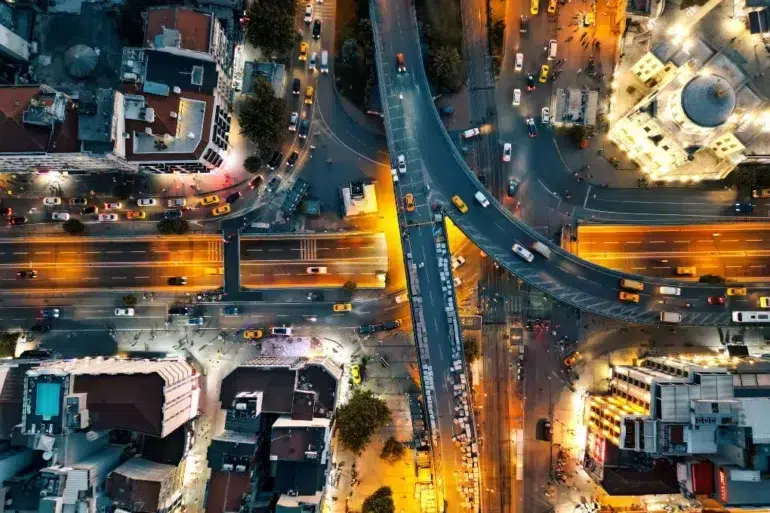
Cities around the world are undergoing a quiet revolution in how they manage the relationship between vehicles and people. From bustling downtown districts to quiet residential neighborhoods, urban planners and local authorities are rethinking the infrastructure that keeps pedestrians safe, traffic flowing efficiently, and public spaces genuinely enjoyable. At the heart of this transformation is a new generation of traffic management solutions that balance security with accessibility — and the results are reshaping how communities experience their streets.
The Growing Demand for Flexible Urban Infrastructure
One of the most significant shifts in urban planning over the past decade has been the move away from permanent, one-size-fits-all solutions toward flexible infrastructure that can adapt to changing needs. A street that hosts a farmers market on Saturday morning needs to be accessible to delivery vehicles on Monday. A pedestrian plaza that welcomes foot traffic during daylight hours may need vehicle restriction in the evenings. Static barriers simply cannot meet these demands without creating operational headaches for city managers and frustration for residents and businesses alike.
This is where retractable and folding bollards have emerged as a genuinely practical solution. Unlike fixed posts, these systems can be lowered or raised quickly by authorized personnel, allowing temporary access for service vehicles, emergency responders, or event logistics without permanently compromising pedestrian safety. The result is infrastructure that works with the rhythm of city life rather than against it.
Pedestrian Safety as a Public Health Priority
The case for better traffic management is not just a matter of urban aesthetics — it is a public health imperative. Vehicle-related pedestrian injuries represent a significant and preventable burden on communities everywhere. According to the CDC, pedestrian deaths account for a substantial share of all traffic fatalities in the United States, with tens of thousands of pedestrians injured in traffic crashes each year. Many of these incidents occur in precisely the kinds of mixed-use spaces — shopping areas, school zones, event venues — where better physical infrastructure could make a measurable difference.
Physical barriers between vehicle traffic and pedestrian areas have consistently proven effective at reducing these incidents. When drivers are physically prevented from entering certain zones, the risk of accidental or intentional vehicle incursions drops dramatically. This is why hospitals, schools, transit hubs, and commercial districts are increasingly incorporating bollard systems and other protective infrastructure as standard components of their design rather than afterthoughts.
Designing for Accessibility Without Sacrificing Security
One of the most persistent criticisms of traditional traffic barriers has been their tendency to create accessibility challenges for people with disabilities, elderly pedestrians, and those with mobility aids. Fixed concrete barriers and permanent bollard arrays can fragment pathways, reduce the width of accessible routes, and create confusing navigation environments for people who rely on clear, unobstructed passage.
Modern traffic management design has responded to this challenge with genuine ingenuity. Collapsible and retractable systems can be positioned to protect pedestrian zones while maintaining fully accessible pathways at designated crossing points. When barriers are not in use, they create no obstruction at all — the path remains open and clear. This approach aligns with the broader principles of universal design, which holds that spaces should be usable by all people to the greatest extent possible without the need for adaptation or specialized design workarounds.
Thoughtful placement also matters enormously. Working with disability advocates and accessibility consultants during the planning phase ensures that protective infrastructure enhances rather than diminishes the experience of all users. Cities that invest in this kind of collaborative planning consistently report higher satisfaction among both residents and visitors.
Economic Benefits of Well-Managed Public Spaces
Beyond safety and accessibility, there is a compelling economic argument for investing in quality traffic management infrastructure. Pedestrianized zones and well-managed public spaces have a strong track record of stimulating local commercial activity. When people feel safe walking through an area, they spend more time there — and more time in a commercial district typically means more spending in local shops, restaurants, and services.
Flexible traffic management systems amplify these economic benefits by enabling a wider range of uses for public space. Streets and plazas that can be quickly configured for events, markets, or outdoor dining — and just as quickly returned to normal traffic patterns — become genuine community assets rather than underutilized corridors. Property values in well-managed pedestrian-friendly areas tend to reflect this added quality of life, benefiting both individual owners and the broader tax base that funds municipal services.
For businesses specifically, the ability to receive deliveries and service vehicles during designated windows — without permanently compromising the pedestrian environment — resolves one of the most common points of tension in urban commercial districts. Good infrastructure design creates conditions where safety and commerce reinforce each other rather than compete.
Looking Ahead: Technology and the Future of Urban Safety
The next generation of traffic management infrastructure is already beginning to incorporate smart technology that promises to make urban spaces even more responsive to real-world conditions. Sensor-equipped bollard systems can detect unauthorized vehicle approaches and trigger automatic responses. Remote management platforms allow city operators to adjust access permissions across an entire district from a central control point. Integration with emergency services systems means that first responders can be granted immediate access without manual intervention.
These developments are particularly significant for large-scale event management, where the ability to quickly reconfigure access across multiple entry points can mean the difference between a safe, well-managed gathering and a logistical crisis. As cities continue to host major sporting events, concerts, markets, and cultural festivals, the demand for intelligent, adaptable infrastructure will only grow.
There is also increasing interest in how traffic management infrastructure can contribute to broader sustainability goals. Reducing vehicle access to certain zones during peak pedestrian hours decreases local air pollution and noise levels, contributing to the kind of livable, walkable urban environments that attract residents and investment alike. Infrastructure that serves multiple goals simultaneously — safety, accessibility, sustainability, economic vitality — represents exactly the kind of smart investment that cities need to make as they plan for the decades ahead.
The transformation of urban streets into genuinely safe, accessible, and vibrant public spaces is one of the most positive stories in contemporary city planning. By embracing flexible, thoughtfully designed traffic management solutions, communities are demonstrating that it is entirely possible to create environments where people come first — and that doing so makes cities better for everyone who lives, works, and visits them.