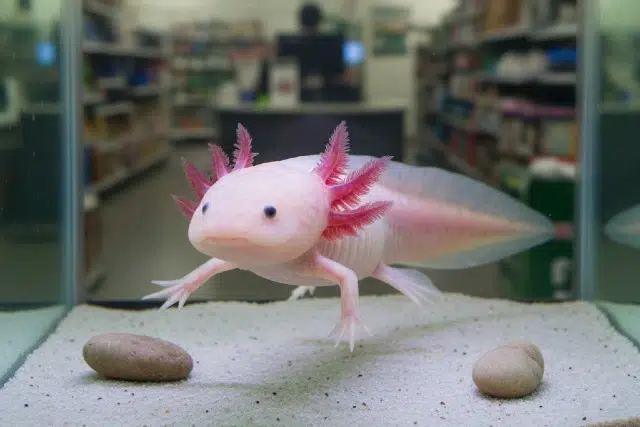
The Rising Popularity of Axolotls
If you’ve ever come across a smiling pink salamander with feathery gills online, chances are you’ve met the axolotl — a mesmerizing aquatic pet that’s taken the internet (and aquariums) by storm.
Searches for “Axolotl for Sale Near Me” have skyrocketed as more pet enthusiasts discover their unique charm. Native to Mexico’s Lake Xochimilco, axolotls (Ambystoma mexicanum) have captured the hearts of exotic pet lovers worldwide for their friendly nature, low-maintenance care, and almost mythical regeneration powers.
But before you bring one home, it’s crucial to know where to buy a healthy axolotl, how to choose a reputable seller, and what to expect in caring for your new aquatic companion.
What Makes the Axolotl So Unique?
The axolotl isn’t just another aquarium pet — it’s a scientific marvel. Unlike most amphibians, axolotls never undergo metamorphosis. They retain their larval features (like gills) throughout life, a condition known as neoteny.
Fascinating Facts About Axolotls:
- They can regenerate limbs, spinal cords, and even parts of their heart and brain.
- Axolotls come in a variety of morphs: leucistic (pink), wild-type, golden albino, melanoid, and even GFP (glow-in-the-dark) variants.
- In captivity, with proper care, they can live up to 10–15 years.
Fun fact: Scientists study axolotls for their regenerative properties, which may hold the key to breakthroughs in human tissue repair!
Where to Find Axolotl for Sale Near Me
When searching for “axolotl for sale,” your goal should be to find a healthy, ethically bred specimen from a reliable source. Let’s explore your best options:
1. Local Exotic Pet Stores
Local pet stores that specialize in reptiles and amphibians often carry axolotls. Buying locally allows you to inspect the animal’s health, environment, and temperament before purchase.
Checklist for Evaluating a Store:
- ✅ Clean tanks with clear, cool freshwater (60–64°F)
- ✅ Active but calm axolotls with no visible injuries
- ✅ Knowledgeable staff who can answer care-related questions
- ✅ Proper permits or certifications (if required in your state)
Pro Tip: Ask to see the axolotl eat. A healthy axolotl should readily accept food like worms or pellets.
2. Reputable Axolotl Breeders
The most trusted source for axolotls is dedicated breeders. They prioritize genetics, health, and morph diversity.
Benefits of Buying from a Breeder:
- Healthier, captive-bred axolotls
- Access to rare color morphs (like melanoid or GFP)
- Personalized care advice from experts
Popular U.S. Breeders:
- Backwater Reptiles
- Josh’s Frogs
- Underground Reptiles
When purchasing, confirm that the breeder offers overnight shipping with temperature-controlled packaging to ensure your axolotl’s safety.
3. Online Marketplaces & Classifieds
If local options are limited, online marketplaces are an excellent alternative.
Recommended Platforms:
- MorphMarket – The largest online platform for reptile and amphibian sales. You can filter by location, morph, and age.
- Facebook Marketplace & Craigslist – Great for finding local hobby breeders (but verify legitimacy carefully).
- eBay Classifieds / Kijiji (Canada) – Suitable for in-person pickup to avoid shipping stress.
Caution: Always check your state’s laws. In some places (like California, Maine, and New Jersey), owning or selling axolotls is restricted or illegal.
Legal Considerations: Know Before You Buy
Axolotls are critically endangered in the wild, which means conservation laws apply. While captive breeding is legal in many regions, import and ownership restrictions may vary.
Illegal or Restricted States (U.S.):
- California
- Maine
- New Jersey
- Virginia (special permit required)
If you live in one of these areas, consider adopting a different salamander species or connecting with local conservation groups to learn about legal options.
Axolotl Color Morphs and Price Guide
| Morph Type | Description | Approx. Price Range (USD) | Availability |
|---|---|---|---|
| Leucistic | Pale pink, red gills, black eyes | $30–$60 | Common |
| Wild Type | Gray or brown with spots | $25–$50 | Common |
| Golden Albino | Yellow-gold, bright eyes | $40–$80 | Moderate |
| Melanoid | All black, no reflective pigment | $70–$120 | Rare |
| GFP (Glows under UV) | Fluorescent green in UV light | $100–$250 | Rare |
Tip: Pricing often depends on morph rarity, breeder reputation, and shipping costs. Always request recent photos and feeding proof videos before buying online.
Setting Up the Perfect Axolotl Tank
A well-prepared tank ensures your axolotl thrives for years.
Basic Tank Requirements:
| Component | Recommendation |
|---|---|
| Tank Size | Minimum 20 gallons for one axolotl |
| Water Temperature | 60–64°F (avoid >70°F) |
| Filtration | Gentle filter with low flow |
| Substrate | Fine sand or bare bottom |
| Lighting | Low-intensity or natural ambient light |
Optional Additions:
- Live plants like Anubias or Java Fern for oxygenation
- Cool caves or PVC pipes as hiding spots
- Aquarium chiller for hot climates
Maintenance Tip: Perform 20–30% water changes weekly, using a dechlorinator to keep parameters stable.
What Do Axolotls Eat?
Axolotls are carnivorous and thrive on a protein-rich diet.
Common Foods:
- Earthworms (best nutritional source)
- Bloodworms and brine shrimp (frozen or live)
- Axolotl pellets (Hikari, Zoo Med)
- Small pieces of raw shrimp or fish (occasionally)
Avoid Feeding:
- Feeder fish (can carry parasites)
- Insects or mealworms (hard exoskeletons)
- Processed human food
Feed juveniles daily, adults 3–4 times per week. Always remove uneaten food to maintain water quality.
Axolotl Care & Maintenance Tips
- Tank Cleaning: Keep ammonia levels at 0 ppm. Test weekly.
- Temperature Control: Use a chiller or frozen water bottles in summer.
- Handling: Avoid it. Their delicate skin absorbs oils and chemicals from your hands.
- Companionship: Axolotls prefer solitude. If housing multiples, ensure equal size and sufficient space.
Common Health Issues and Prevention
| Problem | Symptoms | Solution |
|---|---|---|
| Ammonia Burn | Red, irritated skin | Improve filtration; partial water change |
| Fungal Infection | White fuzzy patches | Salt bath & antifungal treatment |
| Heat Stress | Gasping, floating | Lower water temperature |
| Impaction | Refusal to eat, bloating | Avoid gravel substrate |
Prevention starts with stable water parameters and a stress-free environment. Regular observation helps detect early signs of illness.
Axolotl FAQ: Quick Answers for New Owners
Are axolotls legal to own everywhere?
No. Some states have bans or permit requirements. Always check your local wildlife regulations.
How long do axolotls live?
With proper care, they can live up to 15 years in captivity.
Do axolotls need a heater?
No. They prefer cool water. Temperatures above 70°F can stress or kill them.
Can I touch my axolotl?
It’s best to avoid handling. If necessary, use a fine mesh net during tank cleaning.
Do axolotls make good beginner pets?
Yes, as long as you maintain clean, cool water and avoid overfeeding.
Conservation and Ethics: Protecting the Wild Axolotl
While axolotls thrive in captivity, their wild population is critically endangered due to pollution, invasive species, and urbanization. Supporting ethical breeders helps preserve the species while discouraging illegal trade.