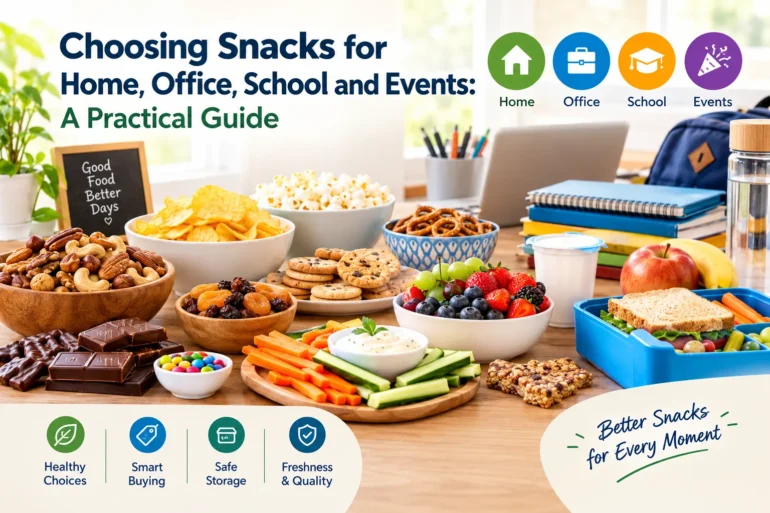
Snacks are part of everyday life. They fill the gap between meals, keep children going through the school day, fuel long afternoons at the office and help any gathering feel welcoming. Yet with shelves full of crisps, biscuits, nuts, chocolates and fresh treats, choosing well is not always as simple as it looks.
Whether you are stocking the kitchen cupboard, planning a team meeting, packing lunchboxes or running a small shop, a little thought goes a long way. This guide covers the main types of snacks, how to read labels, when bulk buying makes sense, how to store food safely and what to consider if you plan to sell snacks yourself.
Why a snack plan helps
Without a plan, snack buying tends to be driven by impulse, which often means spending more than intended, ending up with too many sugary items and throwing away packs that went stale. A simple approach, knowing who you are buying for, how often, and what balance of savoury, sweet and fresh options you want, makes shopping quicker and reduces waste.
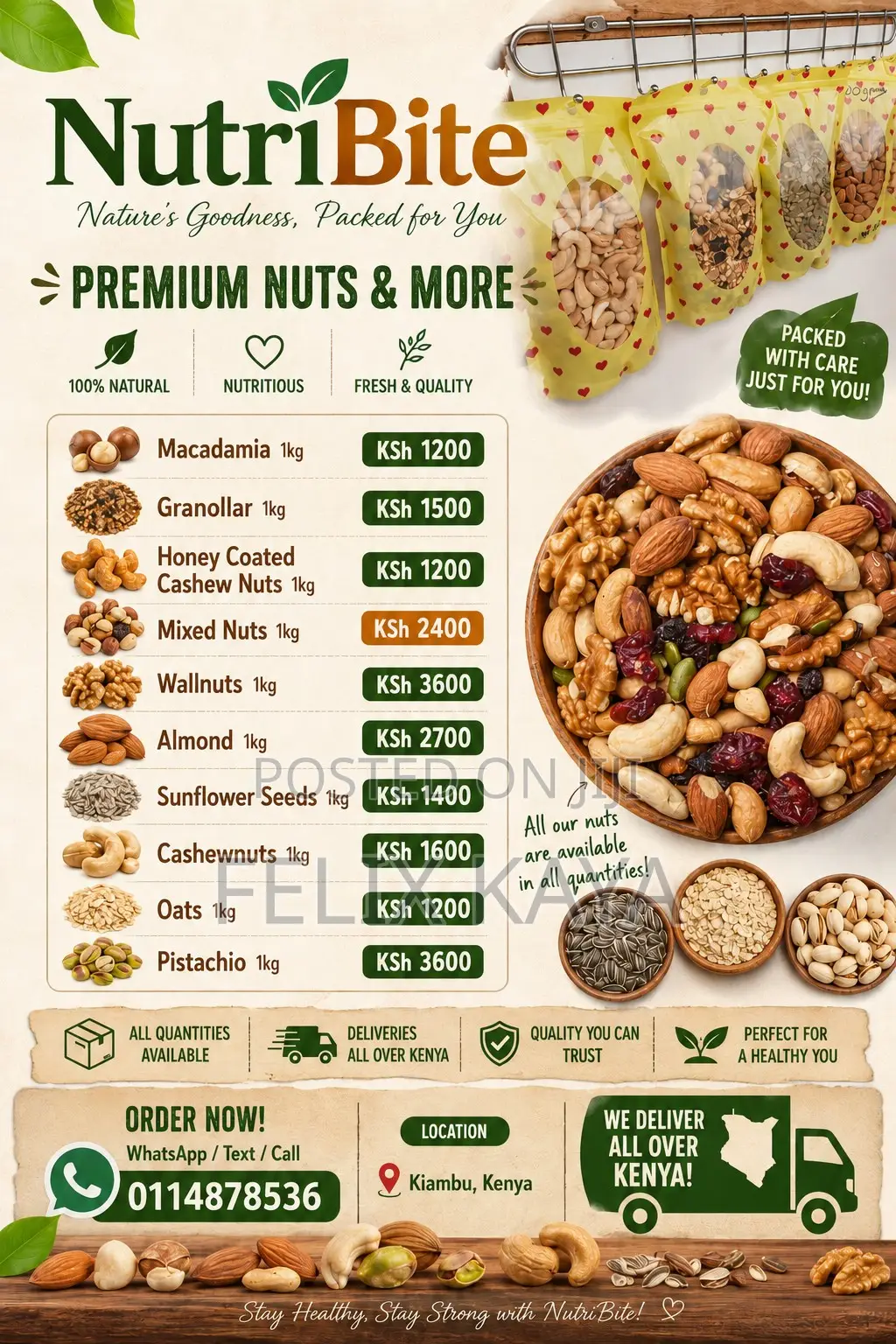
It also helps to compare current offers before stocking up, especially for larger quantities. Looking through a range of snacks from different sellers makes it easier to compare pack sizes, brands, ingredients and expiry dates side by side, so you can choose what genuinely suits your household, office or shop.
The main categories of snacks
Savoury snacks
- Crisps made from potato, plantain, cassava or other vegetables, in a wide range of flavours
- Nuts such as cashews, macadamias and almonds, salted or unsalted
- Roasted groundnuts, a long-standing favourite that is filling and easy to share
- Popcorn, which can be a lighter option when it is not heavily coated in butter, salt or sugar
- Crackers and savoury biscuits, which pair well with cheese, spreads or dips
Sweet snacks
- Biscuits and cookies, ideal with tea and easy to share in offices
- Chocolates and chocolate bars, popular as treats and gifts
- Cakes and pastries, including packaged cupcakes and muffins
- Sweets and confectionery, best kept for occasional treats
Lighter and fresher options
- Fresh fruit such as bananas, oranges, mangoes, apples and pineapple
- Dried fruit like raisins, dates and dried mango
- Yoghurt, including drinking yoghurt and small cups
- Seeds such as pumpkin and sunflower seeds
- Vegetable sticks with a simple dip
Local favourites
Many of the most loved snacks are prepared fresh rather than bought in a packet. In Kenya, mandazi, samosas, bhajia, roasted maize and cassava crisps are familiar sights at home, on the roadside and at celebrations. These are best bought fresh from trusted vendors or made at home, and eaten soon after preparation.
How to read snack labels
Packaged snack labels contain useful information if you know where to look:
- Portion size. Nutrition figures are often given per serving, and one pack may contain more than one serving. Check how the serving compares with what you actually eat.
- Sugar. Sweet snacks, flavoured yoghurts and even some savoury items can contain a lot of added sugar. Ingredients are listed in order of quantity, so sugar near the top means it is a major component.
- Salt. Crisps, salted nuts and crackers can be high in salt. Unsalted or lightly salted versions are available for many products.
- Fat. Fried snacks tend to be higher in fat. Baked or air-popped alternatives may be lighter.
- Allergens. Look for clear allergen information, often in bold, covering common allergens such as peanuts, tree nuts, milk, eggs, wheat, soy and sesame. Also check for “may contain” warnings.
- Expiry and best-before dates. Make sure the date is clearly printed and allows enough time to use the product.
- Manufacturer details. A reputable product shows the maker’s name, address and batch information.
Buying in bulk versus single packs
Bulk buying can reduce the cost per item and saves repeated shopping trips. It works well for items with a long shelf life that are eaten regularly, such as biscuits, crackers, nuts and popcorn kernels.
Single packs, on the other hand, make portion control easier, travel well in lunchboxes and bags, and stay fresh until opened. They are useful for school, events and offices where people help themselves.
A common compromise is to buy large bags and divide them into smaller reusable containers at home. Whatever you choose, only buy as much as you can use before the expiry date, and check that bulk packs are properly sealed and undamaged.
Snacks for children and lunchboxes
When choosing snacks for children, variety and balance matter. A lunchbox might include a piece of fruit, something filling such as a sandwich or crackers, and occasionally a small treat. Some practical points:
- Check your school’s food policy, as some schools restrict nuts or sugary items because of allergies
- Choose snacks that are easy to open and eat without a mess
- Avoid hard, round foods that could be a choking risk for younger children, and cut food into suitable pieces
- Use an insulated box or ice pack for yoghurt and other items that need to stay cool
- Offer water rather than sugary drinks where possible
Planning snacks for offices and events
For offices, a mix of shareable options works well: biscuits for tea breaks, fruit for lighter choices, and nuts or crackers for something more filling. Rotating items keeps things interesting. Ask colleagues about allergies and dietary preferences, including vegetarian, vegan and halal requirements.
For events, estimate numbers carefully and allow a few portions per person depending on the length of the event and whether a meal is served. Offer a balance of savoury, sweet and fresh options, label items that contain common allergens, and keep perishable food chilled or covered. Individually wrapped portions are practical for large groups because they are hygienic and easy to hand out.
Food safety and sealed packaging
- Check seals. Packaging should be intact, with no tears, punctures or signs of tampering.
- Avoid damaged cans and swollen packs, which can indicate spoilage.
- Check dates before buying and before eating.
- Buy fresh snacks from clean, trusted vendors who handle food hygienically.
- Look for proper labelling on packaged goods, including manufacturer details and batch numbers.
- Be wary of unusually cheap stock with faded labels, missing dates or unfamiliar packaging that imitates a well-known brand.
Storage tips
Good storage keeps snacks fresh and safe:
- Store in airtight containers once opened to keep crisps, biscuits and crackers crisp
- Keep snacks in a cool, dry place away from direct sunlight, stoves and other sources of heat
- Protect food from insects and rodents by using sealed containers and keeping storage areas clean
- Refrigerate items that need it, such as yoghurt and some fresh snacks, and follow any storage instructions on the label
- Use the first in, first out principle: place new stock behind older stock so nothing expires unnoticed
Chocolate softens in heat, so in warm weather it is best kept somewhere cool.
Starting a small snack business
Snacks are a popular starting point for small businesses, from a school-gate stall to a neighbourhood kiosk or an office delivery service. A few principles help:
- Know your customers. Students, office workers and commuters want different things at different times of day.
- Start with fast-moving items and add variety gradually based on what sells.
- Buy from reliable suppliers who provide genuine, properly labelled products with good expiry dates.
- Track stock and dates to reduce waste and avoid selling expired goods.
- Check the requirements. Contact your local authority about any licences, permits and food hygiene rules that apply, especially if you prepare food yourself.
- Keep your space clean, organised and protected from sun, dust and pests.
Healthier snacking habits
Snacks can be part of a balanced diet when chosen with a little thought. Pairing a carbohydrate with some protein or healthy fat, such as fruit with a handful of nuts or wholegrain crackers with cheese, tends to keep people satisfied for longer than sugary snacks alone. Keeping cut fruit, boiled eggs, yoghurt or roasted groundnuts within easy reach makes the healthier choice the convenient one.
Portion size matters as much as the snack itself. Eating straight from a large family pack makes it easy to overeat, so serve a sensible amount in a bowl or buy single-portion packs. Drinking water alongside snacks, rather than sugary sodas, also makes a noticeable difference over time. Treats such as chocolates, cakes and crisps still have their place; the key is enjoying them occasionally rather than making them the main part of every snack break.
The bottom line
Choosing snacks well is about balance, planning and freshness. Mix savoury, sweet and fresh options, read labels for portion size, sugar, salt and allergens, and always check expiry dates and seals. Buy in bulk only what you can use in time, store everything in airtight containers somewhere cool and dry, and take extra care with children’s snacks and event catering.