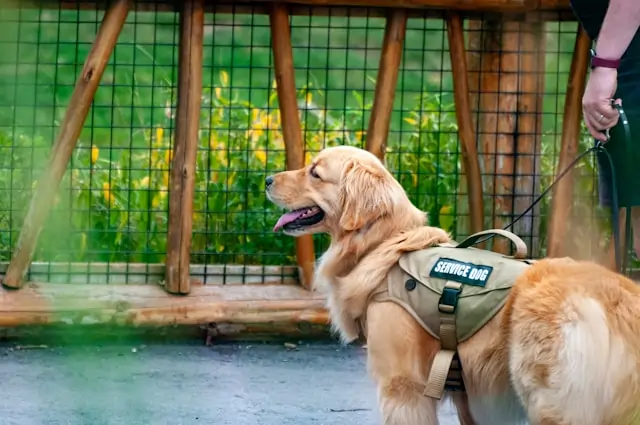
For many veterans, returning to civilian life is not a simple transition. Military service can leave lasting physical, emotional, and psychological effects that continue long after active duty ends. Some veterans live with mobility challenges, traumatic brain injuries, chronic pain, post-traumatic stress disorder, anxiety, depression, or a combination of conditions that affect daily life. While medical care, counseling, peer support, and family networks all play important roles, service dogs have become an extraordinary source of practical help and emotional stability.
Service dogs are far more than companions. They are highly trained working animals that can help veterans regain independence, confidence, and a sense of safety in the world. Whether guiding a veteran through crowded spaces, interrupting panic episodes, retrieving dropped items, or offering a grounding presence during difficult moments, these dogs can change everyday life.
The bond between a veteran and a service dog is built on trust, consistency, and mutual understanding. For many, that bond becomes a bridge back to activities, relationships, and routines that once felt impossible. It is not an instant cure, but it can be a powerful part of healing and long-term support.
Understanding The Unique Needs Of Veterans
Veterans may face a wide range of challenges after service. Some return with physical injuries that affect movement, balance, hearing, vision, or stamina. Others carry psychological wounds that may not be visible but can be just as disruptive. PTSD, hypervigilance, nightmares, panic attacks, and emotional numbness can make ordinary situations feel overwhelming.
This is where service dogs can offer highly specialized assistance. A veteran who feels anxious in public may benefit from a dog trained to create physical space in a crowd. Someone who experiences nightmares may have a dog trained to wake them or provide comfort afterward. A veteran with mobility difficulties may rely on a dog to open doors, retrieve objects, or help with balance.
Training is central to this support. Service dogs must learn specific tasks that directly assist with a person’s disability, and that training requires patience, skill, and deep understanding of both the dog and the human partner. The work people like Jessie Rudin service dog trainer highlights how meaningful this relationship can be, especially when dogs are prepared to support veterans with compassion, structure, and purpose.
Veteran support is not one-size-fits-all. The best service dog partnerships are carefully matched to the individual’s lifestyle, needs, temperament, and goals. Successful pairings depend on thoughtful training and a clear understanding of what the veteran needs to feel safer, stronger, and more independent.
Helping Veterans Regain Independence
One of the most powerful roles a service dog can play is helping a veteran reclaim independence. After injury, trauma, or illness, everyday tasks can become difficult or intimidating. Something as simple as going to the grocery store, attending an appointment, or walking through a busy parking lot can feel exhausting.
Service dogs help reduce that burden. For veterans with mobility limitations, they can retrieve phones, keys, medication, or other important items. They can help open or close doors, turn lights on and off, carry small objects, or alert others in an emergency. These tasks can make the difference between dependence and autonomy.
For veterans with PTSD or anxiety, independence often means being able to leave the house without feeling overwhelmed. A service dog can help by providing grounding support, interrupting distress behaviors, or guiding the veteran away from stressful environments. The dog’s presence can make public spaces feel more manageable.
This renewed independence can have a ripple effect. When veterans feel more capable of handling daily activities, they may reconnect with friends, pursue work or education, attend family events, or engage in hobbies. Service dogs do not remove every challenge, but they can make those challenges feel less isolating.
Emotional Support Through Consistent Companionship
Although service dogs are trained to perform specific tasks, their emotional impact is also profound. Many veterans experience loneliness, especially if they feel disconnected from people who do not understand what they have been through. A service dog offers steady companionship without judgment or pressure.
Dogs live in the present moment. They respond to tone, body language, movement, and routine. For a veteran who feels emotionally distant or overwhelmed, that steady presence can provide comfort and structure. Feeding, walking, grooming, and caring for the dog also create daily routines, which can be especially helpful for people managing depression, anxiety, or trauma-related symptoms.
The bond between veteran and dog can also reduce feelings of isolation. A service dog may make it easier to interact with the outside world, even in small ways. A walk around the neighborhood, a short conversation with another dog owner, or a trip to a familiar store can become less intimidating.
Many dogs are also trained to notice signs of distress, such as pacing, shaking, changes in breathing, or repetitive movements. They may respond by nudging, applying gentle pressure, interrupting harmful behaviors, or leading the veteran to a safer place. This mix of practical training and emotional connection makes their role uniquely powerful.
Supporting Veterans With PTSD
PTSD can affect sleep, mood, relationships, concentration, and the ability to feel safe. Triggers can appear unexpectedly, from loud noises and crowded rooms to certain smells, locations, or social situations. For veterans living with PTSD, service dogs can provide targeted support that helps interrupt symptoms before they escalate.
Some service dogs are trained to perform grounding tasks during panic attacks or flashbacks. They may place their body against the veteran, rest their head on the person’s lap, or guide them toward an exit. This physical contact can help bring the veteran’s attention back to the present moment.
Nightmares are another common challenge. A dog may be trained to wake a veteran from a nightmare, turn on a light, or provide comfort until the person feels safe again. Better sleep can have a significant effect on overall well-being, mood, and daily functioning.
Service dogs may also help reduce hypervigilance. Veterans with PTSD often scan environments for threats, sit with their backs to walls, or avoid crowds because they feel unsafe. A trained dog can help by watching behind them, creating space, or offering a calming focus point. While the dog does not replace therapy or medical care, it can be an important part of a broader support plan.
Strengthening Confidence In Public Spaces
Public spaces can be challenging for veterans managing anxiety, sensory sensitivity, mobility concerns, or trauma-related symptoms. Crowded stores, airports, restaurants, and medical offices may feel unpredictable. A service dog provides both practical help and emotional reassurance in these environments.
For some veterans, the dog acts as a buffer. It can create physical space in lines, stand between the veteran and other people, or guide them through busy areas. For others, the dog provides a steady point of focus. Instead of becoming overwhelmed by noise, movement, or stress, the veteran can concentrate on the dog’s presence and cues.
This can make everyday life feel more accessible. A veteran who once avoided public spaces may begin taking short trips, attending appointments more comfortably, or joining family outings. The presence of a service dog can also reduce the fear of experiencing symptoms in public because the veteran knows they have trained support beside them.
Creating Routine, Purpose, And Responsibility
Service dogs support veterans not only through trained tasks but also by encouraging routine and responsibility. Caring for a dog requires regular feeding, exercise, grooming, veterinary care, and attention. For veterans struggling with depression, isolation, or loss of purpose, these routines can provide structure to the day.
Purpose is a powerful part of recovery. After military service, some veterans may feel uncertain about their identity or role in civilian life. A service dog gives them a living partner to care for, protect, and work with. That responsibility can be motivating, especially during difficult periods.
Daily walks can encourage movement and time outdoors. Training practice can build focus and communication. Care routines can create consistency. The partnership also reinforces mutual trust: the veteran relies on the dog, but the dog also relies on the veteran.
Service Dogs As Part Of A Wider Support System
While service dogs can be life-changing, they are most effective as part of a wider support system. Veterans may also benefit from therapy, medical care, peer groups, family support, adaptive equipment, occupational therapy, and community programs. A service dog complements these resources rather than replacing them.
It is also important to recognize that service dog ownership comes with responsibilities. Dogs need ongoing care, training reinforcement, exercise, and health support. Veterans must also understand public access rules, appropriate handling, and how to advocate for their rights respectfully.
Not every veteran will need or want a service dog, and that is valid. For those who do, the right match can be transformational. The dog becomes not only a helper but also a steady teammate in the process of rebuilding daily life.
Changing Lives One Partnership At A Time
The role of service dogs in veteran support is both practical and deeply human. These dogs can retrieve items, interrupt panic, assist with mobility, wake veterans from nightmares, create space in crowds, and provide grounding during moments of distress. Yet their impact goes beyond tasks. They help veterans feel seen, supported, and capable of moving through the world with greater confidence.
For many veterans, a service dog represents a turning point. It may be the reason they leave the house more often, sleep more peacefully, reconnect with loved ones, or take steps toward a fuller life. The path is not always easy, but the presence of a trained service dog can make it feel less lonely.
At its heart, veteran support is about honoring service with meaningful care. Service dogs offer that care in a way that is consistent, responsive, and personal. Through trust, training, and companionship, they help veterans regain independence, restore confidence, and rediscover a sense of possibility in everyday life.