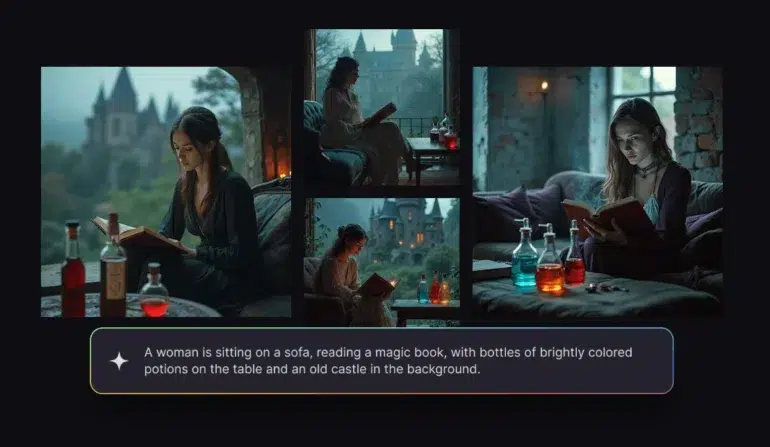
The way we create visual content has changed more in the last two years than in the previous two decades. AI image generators have gone from novelty to necessity — and in 2026, they’re not just tools anymore. They’re creative partners that entire content pipelines are being built around.
Whether you’re a solo creator, a brand marketing team, or a media publisher, the trends emerging this year are directly reshaping what good visual content looks like and how fast it gets made. Here’s what’s driving that shift — and what you should be paying attention to right now.
1. Hyper-Realistic Output Is Now the Default
A couple of years ago, you could spot AI-generated images pretty easily. Weird hands. Strange lighting. Faces that were almost right but not quite.
That era is over. In 2026, the leading AI image generator platforms are producing output that’s genuinely difficult to distinguish from professional photography. The technical ceiling has risen dramatically, and it keeps rising.
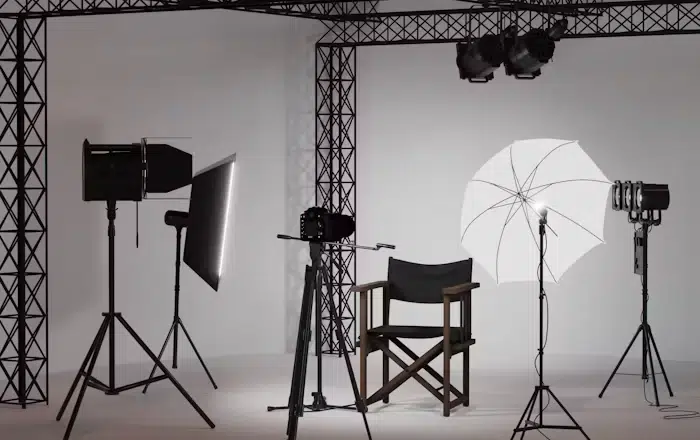
For brands, this is a game-changer. Product imagery, lifestyle photography, editorial visuals — content that used to require a full shoot can now be produced on demand, at a fraction of the cost, without scheduling a single model or renting a studio.
2. Text-to-Image Is Just the Starting Point
In 2026, the most powerful platforms don’t stop at generating a static image from a text prompt. The real action is in what happens next.
The trend is toward end-to-end creative workflows — where an AI image generator feeds directly into video generation, animation, avatar creation, and beyond. A single prompt can now produce a still image that then gets animated, voiced, and published as a finished video asset.
This is exactly where Pollo AI image generator stand out. Pollo AI is a full creative suite that covers everything from text-to-image and image-to-video to AI avatars and animation. What makes it particularly useful for creators who need to move fast is its extensive library of templates. You can literally one-click your way to a finished image or video using pre-built templates designed for different formats, styles, and use cases — no prompt engineering required, no steep learning curve to climb.
For content teams running at volume, that kind of workflow efficiency isn’t a luxury. It’s the whole point.
3. Style Consistency Across Content Is a Priority
One of the persistent frustrations with early AI image tools was inconsistency. You’d generate ten images for a campaign and get ten completely different visual styles. Useful for experimentation, terrible for brand identity.
2026 has brought serious solutions to this problem. Reference-based generation, style locking, and character consistency features are now standard expectations rather than premium add-ons. Brands can define a visual language and hold it across dozens of generated assets without manually correcting every output.
This matters enormously for anyone building a recognizable visual identity — whether that’s a personal brand on social media or a global marketing campaign running across multiple channels.

4. Templates Are Replacing Blank-Canvas Prompting
Here’s a trend that doesn’t get talked about enough: most people don’t want to write prompts. They want results.
The shift toward template-driven creation is one of the most practical developments in the AI image generator space this year. Instead of spending twenty minutes crafting the perfect prompt and still not getting what you envisioned, you select a template built for your specific use case — social media post, product showcase, news thumbnail, cinematic scene — and the AI handles the creative execution.
Pollo AI has leaned into this approach in a big way. Its template library spans a wide range of content types and visual styles, making Pollo AI genuinely accessible to creators who aren’t prompt experts. Whether you want to make a boomerang video, or a viral clip on TikTok, you pick what you need, customize it to your context, and generate. The output is consistent, professional, and ready to use — without the trial-and-error loop that used to eat up hours of creative time.
5. AI-Generated Video Is Merging With Static Image Creation
The line between image generation and video generation is blurring fast. In 2026, the most forward-thinking creators aren’t choosing between the two — they’re using platforms that handle both within the same workflow.
Generating a hero image for a campaign and then animating it into a short video clip is now a single-session task on the right platform. This convergence is pushing creators to think in motion by default rather than treating video as a separate, more complicated project.
Pollo AI’s image-to-video capability is a strong example of this trend in action. You generate or upload an image, and the platform can transform it into a dynamic video asset — complete with motion, transitions, and cinematic quality. It’s the kind of feature that used to require a dedicated motion graphics team. Now it’s a few clicks.
6. Accessibility Is Democratizing Professional-Quality Visuals
Perhaps the most significant trend of all is simply this: professional-quality visual content is no longer gated behind expensive tools, specialized skills, or large production budgets.
An independent creator with a $10/month subscription and a good idea can now produce visuals that compete with agency output. That’s not hyperbole — it’s the current reality of the AI image generator landscape in 2026.
Platforms like Pollo AI are central to this democratization. With accessible pricing, an intuitive interface, and a template system that removes the technical barrier entirely, the gap between “I have an idea” and “I have a finished visual” has never been smaller.
Where This Is All Heading
The trends point in one direction: AI image and video generation is becoming the default creative infrastructure for digital content. The tools are faster, smarter, and more accessible than ever — and the platforms that combine powerful generation with practical workflow features are pulling ahead of the pack.
If you’re not already building AI-generated visuals into your content strategy, 2026 is the year that gap starts to cost you. The good news is that getting started has never been easier — especially with platforms like Pollo AI putting professional-grade creative tools within reach of anyone with a browser and an idea.