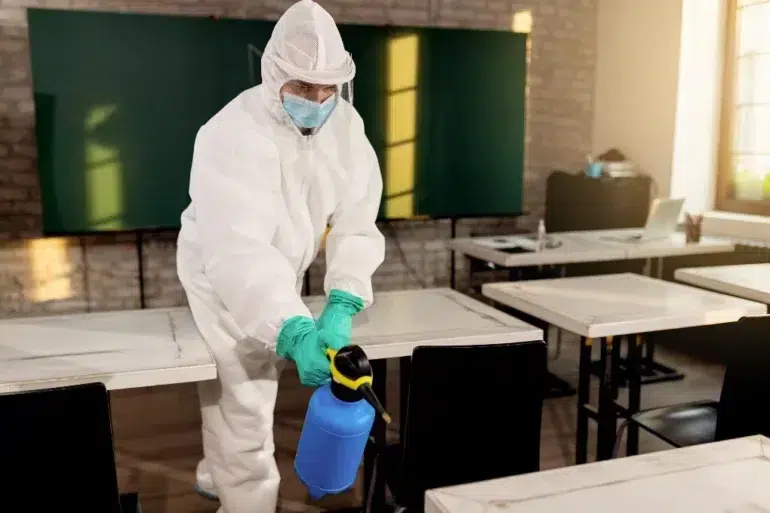
Running a business comes with a long list of responsibilities—managing staff, serving customers, keeping operations smooth, and protecting your reputation. One thing that often gets overlooked until it becomes a serious problem is pest control. Whether it’s rodents in a warehouse, ants in an office pantry, or cockroaches in a restaurant kitchen, pests can quickly disrupt your daily operations and damage customer trust.
That’s why choosing the right pest control partner isn’t just a maintenance decision—it’s a long-term investment in your business. The right provider doesn’t just remove pests; they help prevent future problems and keep your workplace safe, clean, and compliant with regulations.
Let’s walk through what really matters when making that choice.
Why Pest Control Matters More Than You Think
Pests aren’t just an inconvenience. In many industries, they can lead to serious consequences.
Take the food and hospitality sector, for example. A single pest sighting in a restaurant can lead to negative reviews, failed health inspections, or even temporary closure. In retail, customers may walk out immediately if they see signs of infestation. Even in office environments, pests can affect employee comfort and productivity.
Warehouses and manufacturing facilities face their own risks. Rodents can chew through wiring, causing equipment failures or even fire hazards. Stored products can be contaminated, leading to financial losses and potential legal issues.
Beyond the visible damage, there’s also the hidden cost—your brand reputation. In today’s digital world, one bad experience can spread quickly online. Investing in proper pest control is really about protecting your business from both immediate and long-term harm.
What to Look for in a Reliable Provider
Not all pest control services are created equal. While it might be tempting to go with the cheapest option, that approach can cost you more in the long run if the problem keeps coming back.
A reliable provider will focus on both treatment and prevention. This means they don’t just eliminate existing pests—they identify the root cause of the issue. For example, if a café keeps having issues with ants, a good technician will check for food storage practices, entry points, and environmental factors that attract pests.
Experience across different industries is also important. A solution that works in an office building may not be suitable for a food processing facility. Look for a team that understands the specific needs and regulations of your business type.
Communication is another key factor. You want a provider who explains what they’re doing, why they’re doing it, and what you can do on your end to help. Simple advice—like sealing gaps, improving waste management, or adjusting cleaning routines—can make a big difference.
Lastly, consider flexibility and scheduling. Pest control should fit into your operations without causing disruptions. For example, treatments in a retail store might be best done after hours, while a warehouse may need early morning visits before shipments begin.
The Value of a Long-Term Partnership
Many businesses make the mistake of treating pest control as a one-time fix. They call for help when there’s a visible problem, then forget about it once things look clean again.
But pests are persistent. Without ongoing monitoring, they often return—sometimes worse than before.
This is where a long-term partnership becomes valuable. Regular inspections and preventative treatments help catch small issues before they turn into major infestations. Think of it like routine maintenance for your building.
For instance, a hotel that schedules monthly pest checks is far less likely to face a sudden guest complaint about bed bugs. A grocery store with a consistent pest management plan can avoid product contamination and maintain customer trust.
Working with a trusted commercial pest controller allows you to stay ahead of problems rather than constantly reacting to them. It also gives you peace of mind, knowing that someone is keeping an eye on potential risks.
Real-World Examples Across Industries
To understand the impact of choosing the right provider, it helps to look at everyday scenarios.
In a small bakery, flour and sugar can easily attract pests if not stored properly. A knowledgeable pest control professional might recommend airtight containers and improved storage layouts, along with routine monitoring. This simple combination can prevent recurring issues.
In an office setting, pests often gather in break rooms where food is left out. Instead of repeated treatments, a good provider might suggest better waste management and cleaning schedules, reducing the need for frequent interventions.
For construction or renovation sites, pest control can be part of the planning process. Disturbed environments often attract rodents and insects, so early preventative measures can save time and money later.
Even healthcare facilities rely heavily on proper pest management. Cleanliness and safety are critical, and any sign of pests can raise serious concerns. Regular inspections and strict control measures help maintain high standards.
These examples show that effective pest control isn’t just about chemicals or traps—it’s about understanding how different environments work and adapting strategies accordingly.
Making a Smart, Long-Term Decision
Choosing the right pest control provider is about more than solving today’s problem. It’s about building a relationship with a team that understands your business and helps protect it over time.
Start by asking the right questions. How do they approach prevention? Do they tailor their services to your industry? Can they provide clear communication and flexible scheduling? These details may seem small, but they make a big difference in the long run.
Also, pay attention to how they assess your property. A thorough inspection is a good sign that they’re focused on long-term solutions, not quick fixes. They should be able to point out potential risks and explain how to address them.
At the end of the day, the goal is simple: to create a safe, clean, and comfortable environment for your customers, employees, and business operations.
Final Thoughts
Pest control might not always be top of mind, but it plays a crucial role in protecting your business. From maintaining hygiene standards to safeguarding your reputation, the right approach can save you time, money, and stress.
By choosing a provider who prioritizes prevention, understands your industry, and communicates clearly, you’re setting your business up for long-term success. It’s not just about getting rid of pests—it’s about keeping them from coming back.
And when you think about it that way, the decision becomes much clearer.