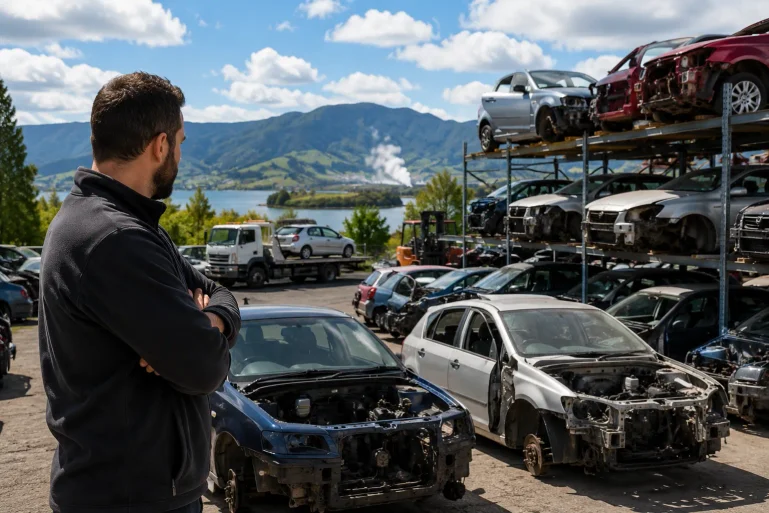
Rotorua car owners are making more careful decisions in 2026. Repair bills, tighter budgets, older imports, and growing interest in recycling all affect what happens to unwanted vehicles. A damaged car may still have value through usable parts, scrap metal, or collection services. Knowing how wrecking yards operate helps owners choose wisely before paying for major repairs, taking a low offer, or letting a car sit unused.
Wrecking Yards Are More Than Scrap Sites
Modern wrecking yards do far more than crush old cars. They check vehicles for reusable parts and recyclable metal and for the safe handling of fluids, tyres, batteries, and other materials. That makes them useful for owners whose cars no longer fit the usual sale process.
Rotorua drivers often weigh repair bills, towing costs, and resale value before choosing car wreckers in Rotorua for unwanted, damaged, deregistered, or non-running vehicles. This option can make sense when a car still contains parts worth saving, but the whole vehicle is too expensive or impractical to fix.
This is especially relevant in 2026, as many local vehicles are older imports. A car can run reliably for years, then become costly after one major failure. Wrecking yards give owners another path when a private sale is unlikely.
Older Cars Can Still Carry Value
A failed engine, broken transmission, or expired warrant does not always make a car worthless. Many parts can remain in good working order, even when the vehicle cannot be driven.
Doors, mirrors, seats, lights, wheels, alternators, starters, panels, and interior trim can all hold value. Some items are hard to buy new, especially for older models or imported versions. Wreckers recover these parts and put them back into the repair supply chain.
This helps both sides of the market. The seller may receive payment for a car that would otherwise take up space. Another owner may find a matching part for less than the cost of buying new.
Free Removal Can Save Real Money
A non-running car can be costly to move. Private towing can add a sizeable bill, especially if the vehicle has flat tyres, crash damage, missing keys, or expired registration.
Many wrecking yards include collection as part of the service. That can help Rotorua households with narrow driveways, rental properties, farms, workshops, or shared parking. Removing the vehicle may also prevent complaints, safety risks, or council concerns.
Before arranging collection, owners should have basic details ready. These include make, model, year, condition, registration status, and whether the car can roll or steer. Clear information helps the yard assess access and give a fairer price.
Used Parts Are Changing Repair Choices
Used genuine parts are often a sensible choice for older cars. They can match the original fit, finish, and function better than some cheaper aftermarket options.
Rotorua owners may need parts for daily drivers, work vehicles, or family cars where full replacement costs are hard to justify. A used headlight, bumper, guard, window switch, or tailgate can keep a vehicle useful without overspending.
Fitment still needs careful checking. Imported vehicles can have small differences in trim, wiring, sensors, or body shape. Owners should confirm part numbers, model codes, year ranges, and photos before buying. A short check can prevent wasted time and return problems.
Recycling Is Now Part of the Decision
Vehicle disposal is no longer just about clearing space. Recycling now plays a larger role in the process. Wrecking yards remove usable parts first, then send remaining metal and materials through recycling channels where possible.
Fluids, batteries, oils, and tyres require proper handling. Leaving a dead car to break down can cause leaks, stains, and safety issues. A managed wrecking process reduces waste and keeps useful materials in circulation for longer.
For owners, such an approach adds a clear benefit. They can remove an unwanted car while supporting a repair cycle that uses fewer new materials. That is a sensible result when a vehicle has reached the end of its road life.
Dealers Still Have a Role
Wrecking yards are useful, but they are not right for every car. Dealers remain important for warranty work, safety recalls, software updates, and diagnostics on newer vehicles.
A late-model car with warranty cover should usually stay within approved service channels. Some safety systems also need new parts, calibration, or specialist equipment. Owners should compare the car’s age, value, fault type, and repair purpose before making a decision.
For older, damaged, or deregistered cars, the balance can change. If repair costs sit close to market value, wrecking may be the more practical choice.
Conclusion
Rotorua car owners in 2026 have more to weigh than a basic repair or sale decision. Wrecking yards can help recover value from damaged, ageing, unwanted, or non-running vehicles while supporting the used parts supply and responsible recycling. Dealers still matter for newer cars and warranty work, but older vehicles often need a more cost-aware path. Comparing condition, value, removal needs, and parts demand helps owners choose with confidence.