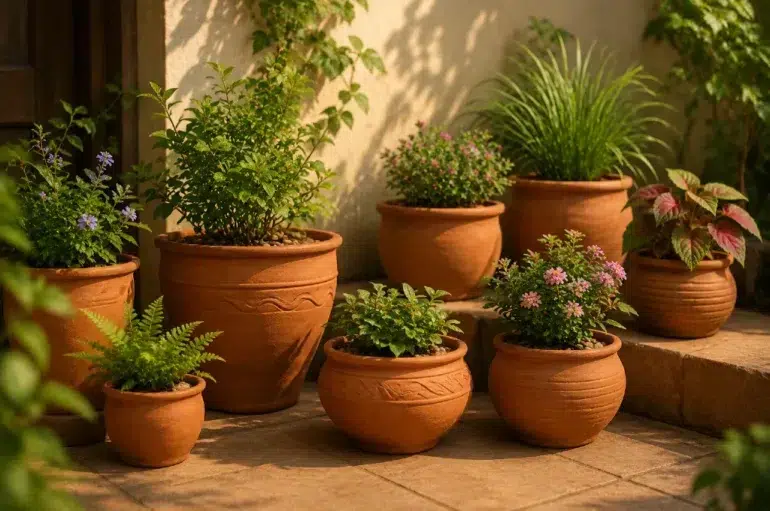
Terracotta pots offer a blend of beauty and functionality, making them an ideal choice for both indoor and outdoor gardening. They have been cherished for centuries for their rustic appeal, versatility, and natural materials. For garden enthusiasts, incorporating Terracotta pots into their garden setup can significantly enhance the overall aesthetic value.
History and Origin of Terracotta Pots
The term “terracotta” originates from the Italian words “terra,” meaning earth, and “cotta,” meaning cooked. This reflects the process of baking natural clay to create these remarkable pots. Historically, terracotta has been used by ancient civilizations, such as the Egyptians, Greeks, and Chinese, to craft not only garden pots but also various art pieces and sculptures.
Features of Terracotta Pots
Among the most distinguishing features of terracotta pots is their porous nature. This characteristic allows for better air circulation and prevents waterlogging, which is a common issue with non-porous containers. This makes them particularly beneficial for plants that prefer drier conditions.
Benefits of Using Terracotta Pots
One of the primary benefits of using terracotta pots is their ability to help regulate the temperature of the soil. The clay insulates plant roots during hot weather while providing sufficient warmth during the cooler months. This natural temperature regulation can keep plants healthier and promote optimal growth.
Terracotta pots are also environmentally friendly. As they are made from natural clay, they are biodegradable and do not contribute to pollution as synthetic pots might. Additionally, they can be reused or recycled, reducing waste in garden maintenance.
Design and Aesthetic Appeal
Terracotta pots are available in a wide range of sizes, shapes, and finishes, allowing for creative landscaping and design. Their earthy colours add a classic, rustic charm to gardens and balconies, effectively complementing the greenery and enhancing the vibrancy of flowers.
Ideal Plants for Terracotta Pots
Cacti, succulents, and Mediterranean herbs such as rosemary and thyme thrive in terracotta pots due to their preference for drier soil. These plants benefit from the pots’ ability to wick away excess moisture, preventing root rot.
Caring for Terracotta Pots
Proper care is essential to maintain the integrity and appearance of terracotta pots. It is important to clean them regularly, removing any algae or mineral deposits that can accumulate over time. Cleaning can be done using a soft brush and mild detergent.
Furthermore, sealing the inside of terracotta pots can prolong their lifespan, especially in regions with high precipitation. However, care must be taken as this might alter their breathability and moisture retention capabilities.
Potential Drawbacks
While terracotta pots have numerous benefits, it is important to be aware of certain drawbacks. Their porous nature, while beneficial for many plants, can also lead to rapid drying of the soil, necessitating more frequent watering. Additionally, terracotta is relatively fragile and can crack or chip if handled roughly.
Modern Uses and Innovations
In recent years, terracotta pots have seen a resurgence in popularity due to their timeless appeal and eco-friendly nature. Innovations such as glazed finishes and reinforced clay have addressed some of their traditional drawbacks, making them more versatile and durable for modern gardening needs.
Terracotta in Sustainable Gardening
Terracotta pots are increasingly being used in sustainable gardening practices. Their natural look and ability to support healthy plant growth make them suitable for urban gardens, where space is limited and aesthetics matter.
The Economic Aspect of Terracotta Pots
Considering their durability and aesthetic appeal, terracotta pots represent good value for money. Their initial cost may be higher than plastic alternatives, but their longevity and timeless design often justify the investment for garden enthusiasts.
Conclusion
Whether for enhancing the beauty of a private garden or introducing a touch of nature to a living space, terracotta pots remain a favourite choice among gardeners. Their unique features, combined with their storied history and modern adaptations, make them an enduring element of garden aesthetics.