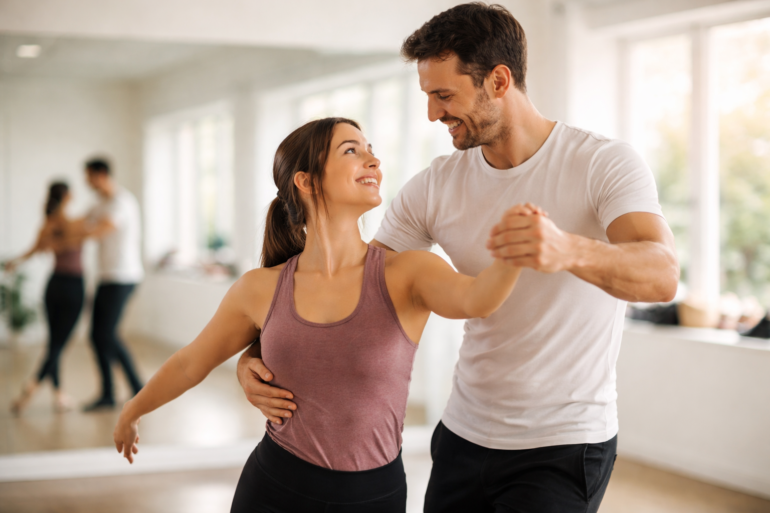
Walk into almost any modern dance studio and you will notice a shift. More students are asking for private sessions, flexible coaching, and lessons built around their own pace instead of trying to keep up with a room full of people. That growing interest is one reason One on One Dance has become such a strong trend among beginners, returning dancers, wedding couples, busy professionals, and even experienced performers who want faster results.
The appeal is not hard to understand. A private lesson removes a lot of the friction that makes group classes difficult. Instead of waiting for general corrections, students get immediate feedback. Instead of following a fixed class rhythm, they work on specific goals, whether that means balance, timing, posture, confidence, choreography, or partner connection. At the same time, dance itself keeps gaining attention as a valuable form of physical activity and emotional release, with public health organizations highlighting the benefits of regular movement for mood, cognition, coordination, and overall well being.
What makes this moment especially interesting is that the popularity of One on One Dance is not just about technique. It reflects the way people now want to learn. They want personalization. They want schedules that fit real life. They want instruction that feels supportive rather than intimidating. And they want activities that do more than burn calories. They want something that helps them feel better in their body, more comfortable socially, and more confident in unfamiliar situations.
What One on One Dance Really Means
At its core, One on One Dance is private dance instruction tailored to a single student or pair. That may sound simple, but the difference between private coaching and a standard class is huge.
In a group setting, the teacher has to divide attention across many dancers with different skill levels, learning speeds, and goals. In a private session, the lesson centers on one person’s mechanics, musicality, comfort level, and progress. That changes everything from the pace of instruction to the quality of feedback.
A student who struggles with turns can spend an entire lesson on spotting, weight transfer, and core control. Someone preparing for a first dance at a wedding can build a routine that suits their song, outfit, venue, and confidence level. An adult beginner who feels nervous in public can learn in a setting that feels calm and focused. This is why One on One Dance is becoming a preferred option for people who want learning to feel practical, personal, and worth the investment.
Why Personalized Lessons Feel More Effective
The biggest reason many students choose One on One Dance is simple. Personalized instruction usually feels more effective because it solves problems faster.
In a private session, a teacher can spot small habits that often go unnoticed in a crowded class. Maybe the issue is a dropped shoulder, stiff knees, uneven timing, or uncertainty in transitions. These details matter in dance, and quick correction prevents them from becoming permanent habits.
This kind of focused coaching matches what we know about skill development more broadly. Learners improve faster when feedback is immediate, specific, and relevant to the exact task they are performing. That is one reason many dance studios and private instructors position private lessons as the fastest route to visible progress, especially for adults with limited time.
There is also a confidence factor. Students are often more willing to ask questions in a private lesson. They admit what confuses them. They repeat things without embarrassment. They try again without feeling watched. That emotional safety can make a major difference, particularly for absolute beginners and adults returning to dance after years away.
The Rise of Goal Based Learning
Another reason One on One Dance is gaining popularity is that people are no longer joining lessons for only one reason. Some want fitness. Some want performance. Some want social confidence. Others want a memorable wedding dance or a new hobby that does not feel repetitive.
Private lessons fit this reality better than one size fits all classes.
Here are some of the most common goals students bring into private dance coaching:
- learning a specific dance style such as salsa, ballroom, bachata, jazz, or contemporary
- preparing for a wedding, audition, showcase, or competition
- improving rhythm, timing, posture, and musical interpretation
- building confidence before joining group classes or social dance events
- returning to dance after injury, burnout, or a long break
- finding a fun way to stay active without the monotony of a gym routine
That flexibility matters in a culture where people expect services to adapt to their needs. Dance education is moving in the same direction as personal training, tutoring, coaching, and language learning. Students increasingly want an experience built around outcomes, not just attendance.
Why Adults Are Driving the Trend
Children have always been a major part of dance education, but a lot of the current momentum behind One on One Dance comes from adults.
Adult learners often have three challenges. They have limited time, more self consciousness, and more specific expectations. A parent, office worker, entrepreneur, or graduate student may not want to spend months in general classes before feeling comfortable. They want measurable progress and flexible scheduling.
That is where private instruction becomes attractive. One lesson a week can be shaped around a real schedule. The teacher can simplify learning, reinforce strengths, and cut out what is not relevant. Instead of spending a month on combinations that may never be used again, a student can work directly on the movements and skills that matter to them.
This shift fits larger wellness patterns too. Health authorities continue to emphasize the value of regular physical activity for mental health, coordination, sleep, and long term well being. Dance has a unique advantage because it blends movement with enjoyment, creativity, and social expression. For many adults, One on One Dance feels less like exercise they have to force and more like movement they actually want to return to.
Faster Progress Without the Group Class Pressure
One of the strongest selling points of One on One Dance is speed.
That does not mean private lessons are magic. Students still need practice, repetition, and patience. But private instruction often shortens the path between confusion and clarity. A dancer can spend fifty minutes fixing exactly what is limiting their progress instead of waiting for their turn to be corrected.
This is especially useful in technical areas like:
- foot placement
- body alignment
- lead and follow connection
- turn preparation
- balance and spotting
- musical phrasing
- transitions between moves
In a group class, these details may get mentioned once. In a private lesson, they become the entire lesson if needed. That is why students often describe One on One Dance as more efficient even if the hourly cost is higher. They are paying for concentrated attention and custom feedback, not just studio time.
The Wedding Dance Effect
It is impossible to talk about the rise of One on One Dance without mentioning wedding culture.
Wedding couples often have a very specific problem. They want to look comfortable and natural during one important moment, but they may have little or no dance experience. Group classes can help with basics, but private instruction is usually better for building a routine around a chosen song, dress movement, floor space, and comfort level.
Private lessons also help reduce panic. Couples can practice entrances, turns, dips, timing, and recovery points in a setting that feels supportive instead of rushed. For many people, that alone makes One on One Dance worth it. They are not trying to become professional dancers. They are trying to feel relaxed, connected, and present on a meaningful day.
The same logic applies to father daughter dances, mother son dances, anniversary performances, and special event choreography. The more personal the moment, the more attractive personalized coaching becomes.
A Better Fit for Beginners Who Feel Intimidated
A lot of people want to dance but never begin because group environments feel overwhelming.
They worry they will look awkward. They assume everyone else already knows the basics. They imagine missing counts, stepping in the wrong direction, or freezing when asked to improvise. Those fears are common, and they stop many potential dancers before they ever reach the floor.
One on One Dance lowers that barrier. It offers privacy, patience, and a gentler entry point. Students can learn terminology, posture, rhythm, and basic coordination without the pressure of comparison. This often leads to better long term retention because the student is building skill on top of comfort instead of trying to push through embarrassment.
For instructors, this format also allows more emotional coaching. Good dance teachers do more than count beats and demonstrate steps. They help students relax, trust their body, and stop overthinking every movement. That personal dynamic is one reason private dance instruction often feels transformative rather than merely instructional.
The Health and Lifestyle Appeal
Dance has always been expressive, but now it is also being embraced as part of a broader lifestyle conversation. People are looking for activities that support both physical and mental wellness, and dance checks a lot of boxes.
Public health sources consistently note that regular physical activity can improve brain health, reduce anxiety symptoms, support sleep, and contribute to balance, coordination, and long term health. Dance adds another layer because it combines movement with music, timing, memory, and emotional presence. Research reviews have also found that dance interventions can improve physical function, balance, postural control, and quality of life in different populations.
That does not mean every private lesson is a medical intervention, of course. But it does help explain why One on One Dance appeals to people who are tired of generic workouts. It offers a form of activity that is engaging, skill based, and emotionally rewarding.
For some students, private dance lessons become the first movement habit they have ever maintained consistently. Not because they were forced to, but because they enjoyed the process enough to keep going.
Technology Has Also Helped Personalized Dance Lessons Grow
Another reason One on One Dance is becoming more visible is that the dance industry itself is changing. Studios increasingly blend in person coaching with digital scheduling, video review, hybrid lessons, and social media discovery. Industry reporting points to continued growth in dance studio businesses and dance education services, reflecting steady consumer demand for instruction across age groups and goals.
Social platforms have also changed expectations. People now see short dance clips everywhere, from performance reels to wedding choreography to beginner transformations. That exposure makes dance feel more accessible, but it also makes many learners want personal help so they can translate inspiration into actual skill.
A student may discover salsa online, book a private lesson through a studio app, review a practice clip at home, and come back next week with clearer questions. That entire cycle makes One on One Dance feel modern, convenient, and aligned with how people already learn other skills.
What Students Actually Gain From Private Dance Coaching
The benefits of One on One Dance go beyond learning steps. Students often gain a wider set of personal improvements that influence how they carry themselves in everyday life.
Some of the most common gains include:
- better body awareness
- stronger posture and alignment
- more confidence in social settings
- improved musical timing
- a healthier relationship with movement
- more comfort learning in public later on
- a sense of achievement through visible progress
This is especially important for adults who are not chasing perfection. Many are looking for a skill that feels creative, social, and challenging in a good way. Private lessons give them a path that feels achievable.
There is also a relational benefit for partner dancers. Instructors can help couples navigate lead and follow, tension, communication, and timing in a way that reduces frustration. Instead of blaming each other for missed steps, they learn a shared system. That can turn lessons into a surprisingly positive experience for couples who expected dance to be stressful.
Is One on One Dance Worth the Higher Cost?
This is one of the most common questions, and the honest answer is that it depends on the goal.
If someone wants a fun casual activity at the lowest possible price, group classes may be enough. But if the priority is personalized correction, faster skill building, flexible pacing, or preparation for a special event, One on One Dance often delivers more value per session.
The real comparison is not price per hour. It is progress per hour.
A student who spends months feeling lost in a group class may actually save time and frustration by taking a smaller number of private lessons first. Many dancers eventually use a blended model, taking One on One Dance sessions for technical growth and group classes for social practice and repetition. That combination often works especially well.
How to Choose the Right Private Dance Instructor
Not every private lesson feels the same. The quality of One on One Dance depends heavily on the instructor.
Look for someone who can do more than dance well. The best teachers can diagnose problems clearly, explain things simply, and adapt their method to different personalities. A great private instructor is observant, patient, and practical.
When choosing a coach, it helps to consider:
- whether they teach your preferred style
- how they work with beginners versus advanced students
- whether their communication style feels encouraging
- how they structure progress over several lessons
- whether scheduling and pricing are realistic for you
- if they can tailor lessons around a performance or event
A short trial lesson is often enough to tell whether the teaching relationship feels right.
The Future of Personalized Dance Learning
The rise of One on One Dance says something bigger about modern learning. People are moving away from rigid models and toward experiences that feel customized, efficient, and emotionally comfortable.
Dance is no exception. As more students prioritize flexibility, confidence, and meaningful progress, private instruction is likely to remain a major part of the dance world. It serves beginners who want a safe place to start, adults who want efficient coaching, couples preparing for important moments, and experienced dancers refining details that matter.
That does not mean group classes are disappearing. They still offer community, energy, and repetition that many dancers love. But private lessons are no longer seen as a luxury for elite performers alone. They are becoming a normal choice for everyday learners who want a better fit.
In many ways, that is the real reason One on One Dance is gaining popularity. It meets people where they are. It respects their time. It makes learning feel personal again.
Conclusion
The growing appeal of One on One Dance comes down to one simple truth. People learn better when the lesson fits the learner.
Private dance instruction gives students direct feedback, flexible pacing, practical goal setting, and a more comfortable learning environment. It helps beginners start without fear, gives adults a realistic path to progress, and allows couples and performers to focus on the exact outcome they want. When paired with the well known physical and emotional benefits of movement, it becomes clear why personalized dance lessons are attracting more attention across age groups and lifestyles.
For anyone who has ever felt curious about dancing but hesitant to begin, One on One Dance offers a practical middle ground between total self teaching and crowded classes. It is focused, human, encouraging, and often surprisingly effective. Whether the goal is confidence, fitness, artistry, or preparing for a special moment on the ballroom dance floor, personalized instruction gives that goal a much better chance of becoming real.