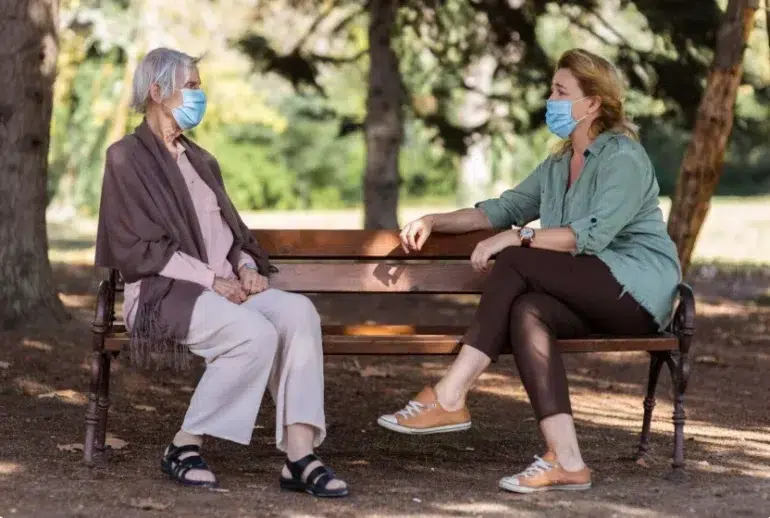
Friendships pay off. They fill each other’s lives with vibrant colors and memories that last a lifetime. When a person gets older, the first thing they lose is friendships, leading to isolation and depression.
Among older adults, loneliness is, indeed, a growing concern. This not only affects mental health but also physical well-being.
However, nurturing friendships can significantly reduce feelings of isolation. Here are six ways that friendships help older adults fight loneliness.
1. Emotional Support
Friendships provide emotional support. In case older adults have friends to confide in, they can share their thoughts, fears, and joys—all of which can alleviate feelings of sadness and isolation.
If maintained well, this emotional connection enables seniors to feel understood and valued, resulting in improved mental health.
2. Encouragement for Social Engagement
Having friends around you and visiting them frequently encourages older adults to participate in social activities. You all can walk, play games, or attend events together. In these activities, engagement can promote social interaction – a sure way to combat loneliness.
Let’s understand it this way: those residing in assisted living in Brookfield or elsewhere can participate in shared outings and programs organized within the community. That’s where you can foster connections that might extend beyond their immediate living space.
3. Sense of Belonging
Friendships do wonders at creating a sense of belonging and community. Older adults who have strong friendships often feel more integrated into their surroundings.
Without a doubt, the sense of community seniors experience can be immensely comforting. This helps them feel less isolated and more like integral members of a larger group.
4. Shared Interests and Hobbies
Most often, friends share common interests. To put it another way, friends who engage in common activities can enjoy their lives more.
Whatever you and your friends like most, be it gardening, book clubs, or crafting, stay together to share these interests and foster joy and purpose.
In commonly-favorite hobbies, engaging not only provides entertainment but also strengthens bonds, making each participant feel more connected.
5. Support for Physical Health
Friendships can also leave a positive impact on seniors’ physical health. Friends’ words are more impactful than family’s suggestions or advice.
They often motivate each other to stay active, whether through walks or exercise classes. The benefits of such physical activities are numerous.
They significantly improve mobility and overall health, which can combat the physical decline that accompanies aging.
6. Reduction of Stress and Anxiety
The presence of friends around you can lower your stress and anxiety levels. Positive social interactions release hormones that reduce stress and increase feelings of happiness. Yes, you heard that right.
Being an older adult, you can find comfort in knowing someone is there for you during tough times. This helps you create a calmer mindset and improve your overall health.
Conclusion
For those in their 50s or 60s, the importance of friendship cannot be understated. In light of this, communities like Discover Commons focus on deep connections among their residents, facilitating friendships and social activities to enhance their well-being and reduce loneliness. If older adults, including you, prioritize relationships, they can lead happier, healthier lives.