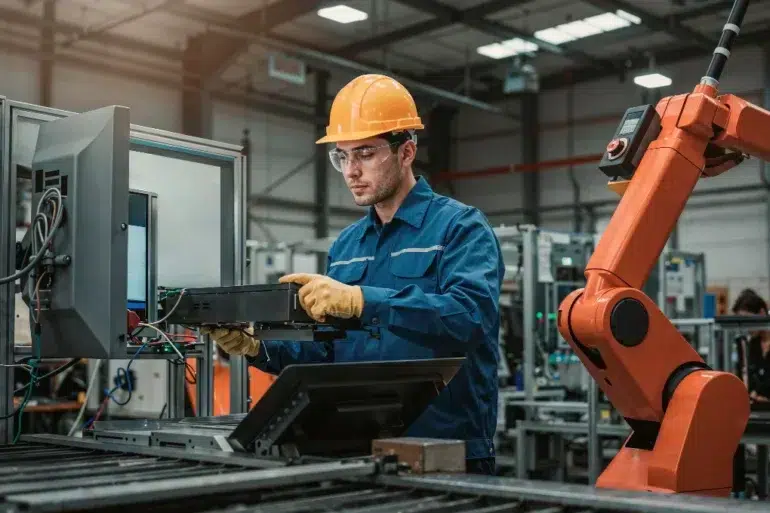
Modern machining continues to evolve with faster equipment, advanced automation, and increasingly complex production requirements. CNC machines today are capable of achieving incredible precision and efficiency, but even the most advanced equipment still depends heavily on one critical factor: stable and accurate workholding.
Without proper workholding, machining consistency becomes difficult to maintain. Even small amounts of movement, vibration, or setup variation can affect tolerances, surface finishes, and overall production quality. As industries demand tighter specifications and higher repeatability, precision workholding remains one of the most important foundations of successful machining operations.
Many shops focus heavily on cutting speeds, tooling upgrades, and machine capabilities while overlooking how much influence workholding has on final results. In reality, poor setup stability can quickly reduce efficiency, increase scrap rates, and create unnecessary downtime. Strong workholding systems help operators maintain consistency while improving productivity across both small and large production runs.
As machining projects become more demanding, manufacturers continue investing in reliable workholding solutions designed to improve accuracy, reduce setup time, and maintain repeatable positioning throughout production cycles. Shops that prioritize stable setups often see improvements in quality control, machining efficiency, and long-term operational consistency.
Precision tooling also works best when paired with stable workholding systems. Even high-performance cutting tools can struggle to maintain accuracy if parts are not securely positioned during machining operations.
A Self Centering Vise Improves Setup Accuracy and Repeatability
One of the biggest challenges in machining is maintaining setup consistency across multiple parts. Even slight positioning differences can affect tolerances and create inconsistencies that require additional adjustments or rework later in the process.
This is why many machinists continue relying on a high-quality self centering vise for applications that require repeatability and precision. Unlike traditional vises that clamp from one side, self-centering vises position material evenly from both directions, helping maintain accurate alignment during setups.
Repeatability becomes especially important in production environments where multiple identical parts are being machined. Consistent positioning reduces the need for constant adjustments between operations and helps improve overall machining efficiency. Operators can spend less time resetting workpieces and more time focusing on production output.
Stable clamping also helps reduce vibration during cutting operations. Excessive movement can negatively affect surface finishes, dimensional accuracy, and tool life. Secure workholding helps cutting tools perform more consistently while reducing unnecessary stress on both tooling and machines.
Another major advantage of precision workholding is improved setup speed. Shops constantly look for ways to reduce downtime between jobs, and reliable workholding systems help streamline changeovers while maintaining accuracy. Faster setups improve productivity without sacrificing quality.
Workholding stability becomes even more critical when machining harder materials or working with tighter tolerances. Small setup inconsistencies that may seem minor can quickly create larger quality control issues during precision machining applications.
Modern CNC machining often involves multi-axis operations and increasingly complex part geometries. Precision workholding systems help maintain proper alignment throughout these operations, allowing shops to achieve more consistent results while minimizing setup complications.
Good workholding also contributes to longer tool life. Cutting tools generally perform better when material remains stable throughout the machining process. Reduced vibration and movement place less strain on cutting edges, helping tools maintain sharpness longer and improving overall machining efficiency.
Even highly experienced machinists recognize that setup quality directly influences final part quality. Precision machining starts long before the spindle begins cutting material. Stable workholding creates the foundation for reliable and repeatable production.
Why Shops Still Rely On A Quality 5c Collets For Consistent Results
While machining technology continues advancing, many shops still rely on proven workholding systems that have demonstrated long-term reliability and precision over decades of use. One example is the continued popularity of the 5c collet in machining operations that require consistent clamping accuracy.
5C collets remain widely used because they provide excellent concentricity, repeatability, and gripping strength across many applications. Their ability to securely hold round stock with minimal runout makes them valuable for precision turning, grinding, and secondary operations where alignment accuracy matters.
Consistency is one of the biggest reasons machinists continue using collet systems. Reliable clamping pressure helps maintain repeatable positioning while reducing material movement during machining operations. This improves part accuracy and helps maintain tighter tolerances throughout production.
Another advantage of collet systems is their efficiency during setup changes. Operators can switch material sizes relatively quickly while maintaining dependable clamping performance. Faster setup adjustments help improve workflow efficiency in busy production environments.
Precision workholding becomes even more important when paired with advanced cutting tools. High-performance tooling such as an end mill relies heavily on setup rigidity and material stability to perform effectively. Even small amounts of movement can negatively impact cutting accuracy, surface finish quality, and overall tool life.
Modern machining operations often require balancing speed with precision. Shops need to maximize production efficiency while maintaining tight quality standards. Reliable workholding solutions help support both goals simultaneously by reducing variability throughout the machining process.
Another reason proven workholding systems remain valuable is operator confidence. Machinists depend on equipment they trust to perform consistently under demanding conditions. Precision vises and collet systems help create predictable machining environments where operators can focus on production rather than constantly correcting setup problems.
Workholding also plays a role in reducing material waste. Better setup stability helps minimize machining errors, reducing scrap rates and improving overall cost efficiency. Small improvements in consistency can create major long-term savings across large production runs.
As machining tolerances continue tightening across industries such as aerospace, automotive, and medical manufacturing, stable workholding becomes increasingly important. Even advanced CNC equipment cannot consistently produce precision results without reliable setups supporting the machining process.
Conclusion
Precision workholding remains one of the most important aspects of modern machining because it directly affects accuracy, repeatability, efficiency, and overall production quality. While machining technology continues advancing rapidly, stable and reliable setups remain essential for achieving consistent results.
Solutions such as self-centering vises and 5C collets continue playing major roles in machining operations because they provide dependable alignment, repeatable positioning, and secure material clamping during demanding applications.
At the same time, precision cutting tools perform best when paired with strong workholding systems that reduce vibration and maintain setup stability. Shops that prioritize reliable setups often experience improvements in tool life, part quality, and overall production efficiency.
As industries continue demanding tighter tolerances and greater consistency, precision workholding will remain a critical part of successful machining operations for years to come.