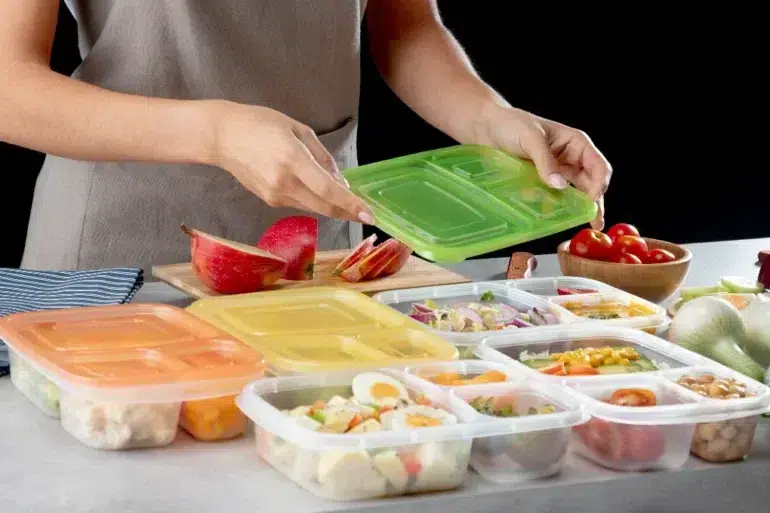
The food service industry is evolving rapidly towards sustainability, with an increasing focus on reducing waste and environmental impact. A significant part of this transformation is the adoption of food service containers that are both innovative and eco-friendly, providing restaurants and food businesses with alternatives that do not compromise on quality or functionality.
Understanding the Need for Sustainable Containers
The global awareness of the environmental crisis has pushed the need for sustainable solutions in food packaging to the forefront. Traditional food service containers, often made of polystyrene or plastic, have contributed significantly to landfill and ocean pollution. As such, there is a pressing need for food service containers that are biodegradable or compostable.
The Materials Making a Difference
Sustainable food service containers are now being crafted from a wide array of innovative materials. Bamboo, for instance, is a rapidly renewable resource that brings both durability and sustainability. Likewise, containers made from sugarcane bagasse and cornstarch can break down in natural environments without leaving harmful residues.
Compostable and Biodegradable Options
Compostable and biodegradable containers are key players in the shift to sustainable food service solutions. These containers are designed to disintegrate into natural elements in a compost environment, promoting biodegradation. They can significantly reduce the carbon footprint of food businesses and aid in achieving sustainability goals.
The Role of Technology in Container Innovation
Advancements in technology have opened new possibilities for the design and production of food service containers. Innovative processes now enable manufacturers to create containers that are not only environmentally friendly but also have the durability and efficiency required for varied food service applications. Techniques such as PLA (polylactic acid) production are leading the way in creating materials that meet these needs.
Cost Implications of Sustainable Containers
Switching to sustainable containers might come with higher initial costs compared to traditional containers. However, numerous studies have shown that the long-term benefits, such as brand enhancement and environmental responsibility, often outweigh these costs. Companies that adopt sustainable packaging practices can enjoy a positive brand image and customer loyalty.
Consumer Demand and Market Trends
There is a rising consumer demand for sustainable practices in the food service industry. More consumers are choosing businesses that prioritise eco-friendly packaging. This shift is mirrored in market trends, showing an increase in the number of businesses that are incorporating sustainable containers into their operations as a standard practice.
Government Regulations Driving Change
Government regulations and policies across the globe are increasingly pushing the food industry towards sustainable packaging solutions. Bans on single-use plastics and incentives for businesses adopting green packaging solutions are becoming more common, accelerating the transition to sustainable container usage.
Challenges in Adoption
Despite the clear benefits, transitioning to sustainable food service containers presents challenges. Supply chain disruptions and availability of raw materials are ongoing issues. Moreover, convincing every stakeholder within a business to embrace these changes requires a strong commitment and comprehensive education on the environmental and economic benefits of sustainable containers.
Case Studies and Success Stories
Several businesses and organisations have successfully transitioned to using sustainable food service containers with noticeable benefits. For instance, restaurants that have adopted biodegradable containers have reported not only a reduction in waste but also a significant boost in customer satisfaction.
The Future of Food Service Packaging
The future of food service packaging is undoubtedly geared towards sustainability. As technologies advance and materials become more accessible, the prevalence of innovative food service containers is expected to grow. In embracing these solutions, the food industry can play a significant role in environmental stewardship.
The pathway to a sustainable future in food service packaging involves continuous innovation and commitment to reducing environmental impact. Businesses that align with these goals stand to benefit from not only improved environmental outcomes but also enhanced consumer trust and operational efficiencies.