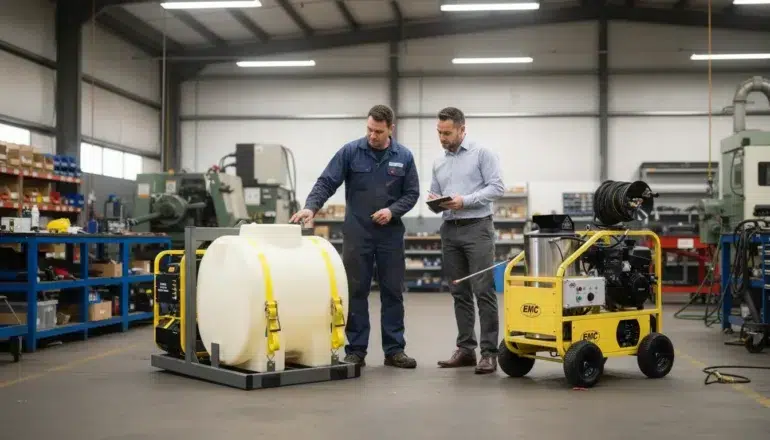
Industrial machinery is the core component of industries, construction firms, logistics organizations, among others. With proper operation of the machines, productivity is high and operational expenses minimized. However, without proper maintenance, machinery experiences premature wear and subsequent breakages that bring about expensive downtime.
The following are some of the maintenance techniques that can be used in ensuring proper care of the industrial assets to maximize their performance.
Developing a Preventive Maintenance Strategy
One way through which an asset can be protected from failure and possible damage is through preventive maintenance instead of reactive maintenance where equipment malfunctions have to occur.
Some of the key components of a good maintenance plan include:
- Regular inspection depending on operating hours
- Regular lubrication and replacement of components
- Performance monitoring for early warning signs
- Maintenance records keeping
With a proper maintenance plan, one can save from expensive breakdowns and increase the machine’s lifespan significantly.
Machinery Operators’ Training
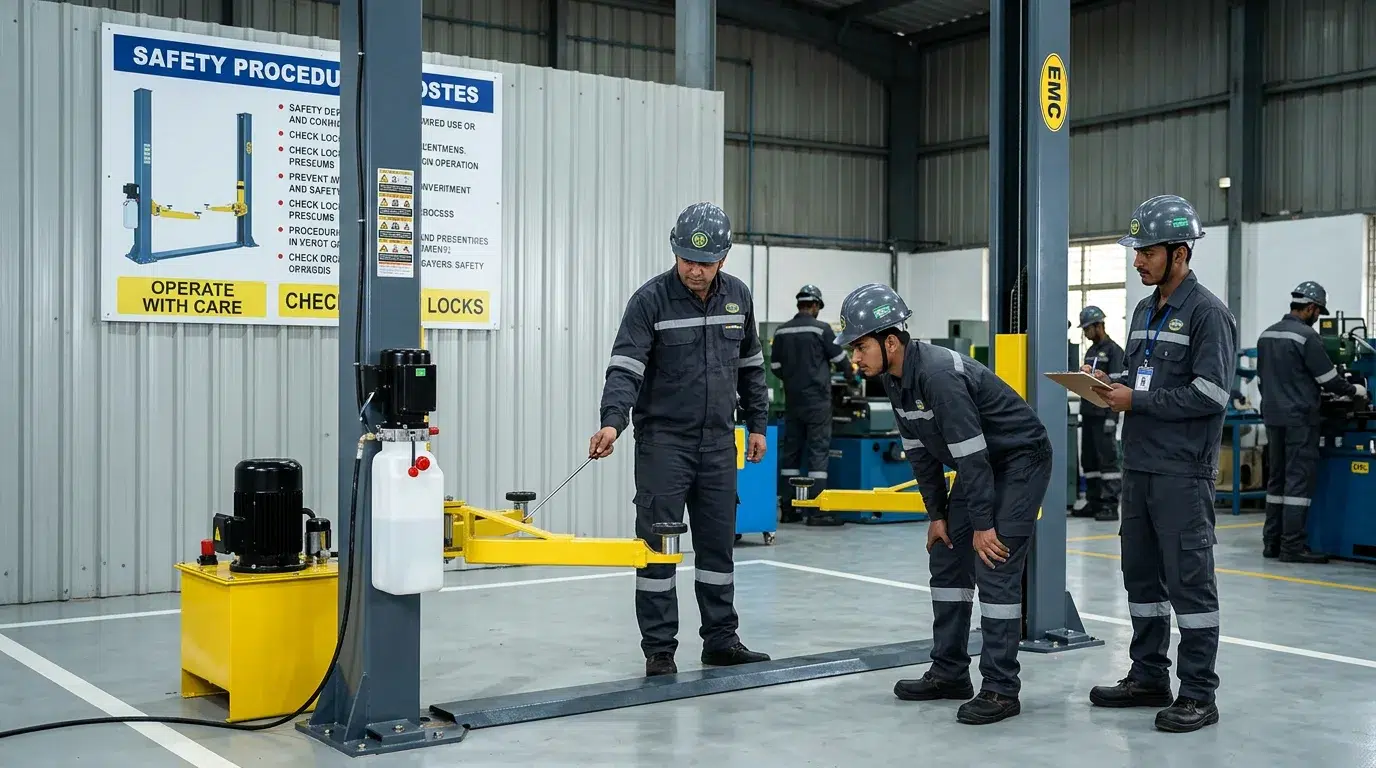
Most machinery breakdowns do not come about due to faulty components but rather wrong operation. Training of the operators to use the machinery safely will go a long way in preventing any unnecessary equipment failure.
Key training areas should include:
- Correct startup and shutdown procedures
- Load limits and safe operating ranges
- Recognizing early signs of malfunction
- Proper cleaning and daily checks
Well-trained operators act as the first line of defense against equipment damage.
Ensure Machinery Is Clean and Free From Contamination
Machinery that is contaminated with dust and chemicals deteriorates faster than clean equipment does. The former affects its functionality while also leading to wear and tear.
Ensure that you:
- Remove dust and dirt from moving parts
- Clean air filters and ventilation systems
- Avoid fluid leaks and corrosion build up
- Employ correct cleaning solutions for different machines
Clean machines function better than their dirty counterparts and require fewer repairs.
Use High-Quality Machine Parts and Lubricants
Employing substandard machine parts may cost little but will prove expensive in the long run due to frequent breaks down.
Ensure that you:
- Employ replacement parts that adhere to manufacturers’ requirements
- Use lubricants as per operation requirements
- Regularly replace filters and seals
- Purchase high-quality parts from authorized and certified suppliers
High-quality parts will ensure smooth functioning and prevent damages.
Monitor Performance of Machinery
The modern machines come with a built-in sensor or monitors that measure performance metrics including temperatures and vibrations.
Such performance parameters need to be monitored regularly to detect problems.
Schedule Professional Inspections
As previously mentioned, maintenance can be done by internal teams. However, professional inspections will go beyond routine maintenance procedures and offer a more comprehensive evaluation.
Collaborating with professionals specializing in Industrial Equipment will allow you to get an inspection at a high industry standard.
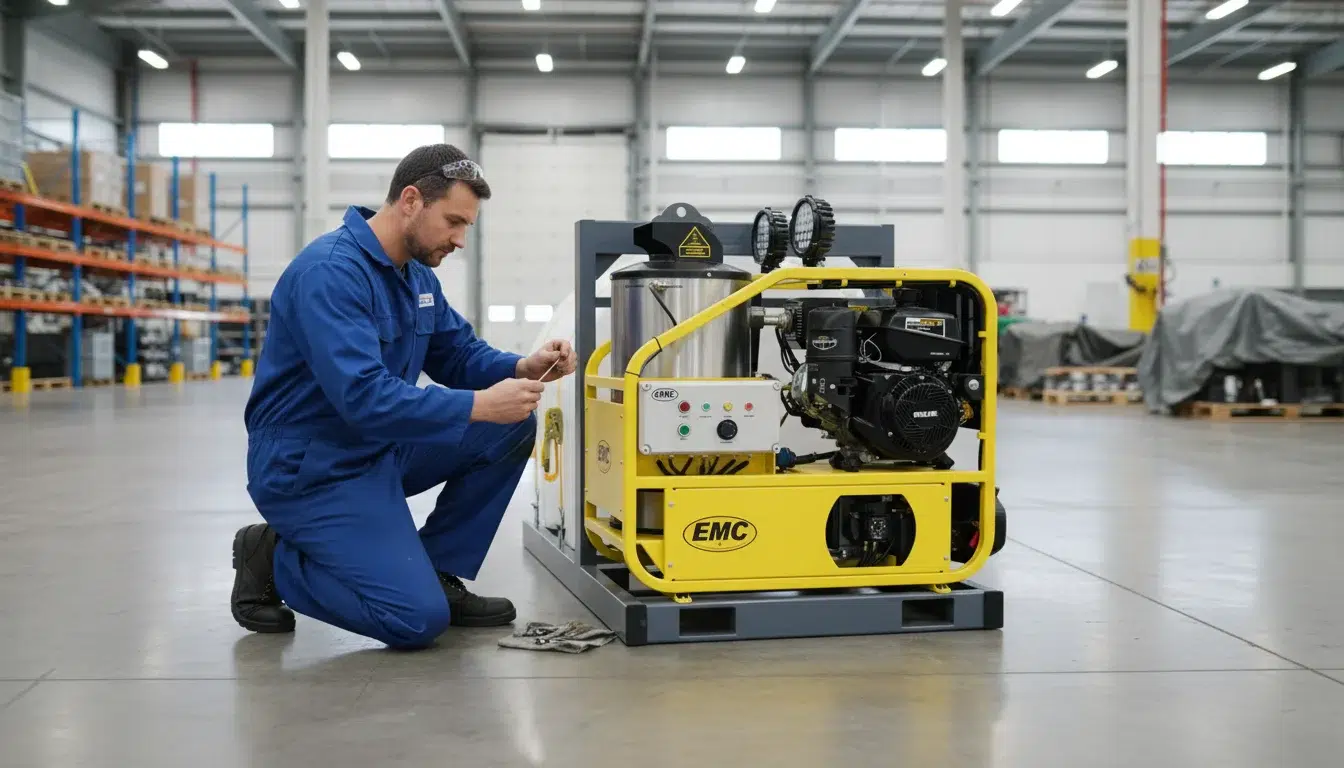
Store Your Machinery Properly When It Is Not Used
Not using your machine doesn’t mean that it won’t need proper care – improper storage will result in the same issues as frequent use.
Key recommendations to follow are:
- Placing machines in a dry, temperature-controlled location
- Draining fluids if required
- Covering machines
- Performing idle checks
These actions help maintain equipment’s performance.
Maintain Regular Maintenance Schedules
Consistency is crucial, and skipping some intervals despite being busy is the wrong decision since it only leads to additional problems.
Using advanced software for scheduling maintenance intervals will help.
Final Thoughts
In conclusion, industrial machinery requires a lot of effort to maintain and function properly. Preventive maintenance, operator training, installation of appropriate parts, and regular inspections are essential steps that contribute to equipment’s longevity. To learn about other products and solutions offered, check Industrial Equipment available on our website.