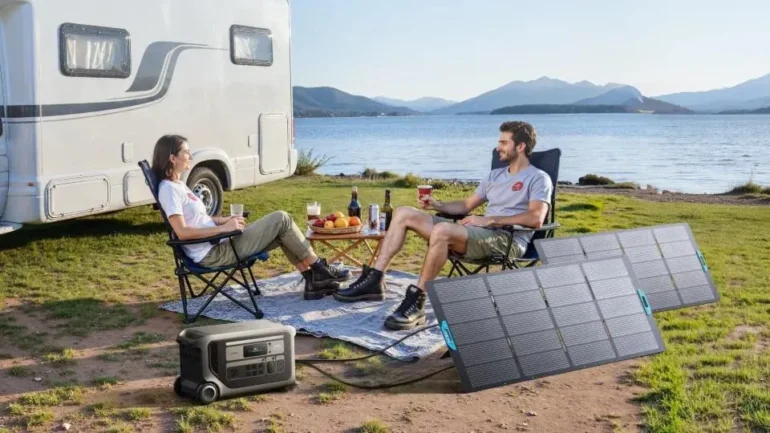
Portable solar power generator weight plays a major role in how useful a unit feels outside the home. A generator that offers high capacity but proves difficult to lift, store, or move can limit convenience during camping trips, road travel, tailgating, and backup use. Portability depends on more than pounds alone. Physical dimensions, handle design, wheel systems, battery chemistry, and internal layout all shape how easily a unit travels from vehicle to campsite or between rooms. Understanding these factors helps buyers avoid oversized equipment and choose a portable solar generator that delivers enough energy while remaining practical to carry, position, and store in daily use.
Key Factors That Affect Portable Solar Generator Weight
Battery Capacity and Power Output Impact Overall Size
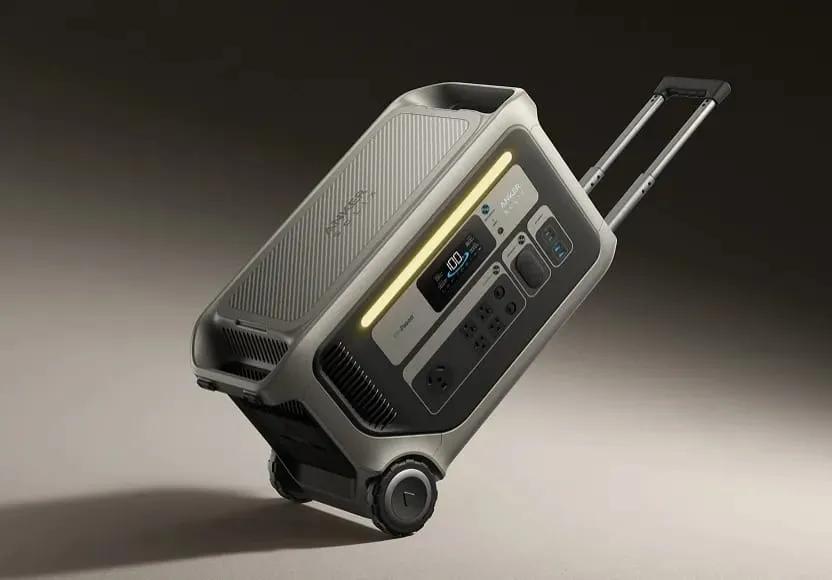
Battery capacity is one of the biggest drivers of portable solar generator weight. Higher capacity usually means more battery cells, a larger enclosure, and stronger internal components to support longer runtime and higher output. Power output also matters because units designed to run demanding appliances need larger inverters, more cooling space, and sturdier wiring. That added hardware increases both weight and overall dimensions. For example, the Anker SOLIX F3000 uses an EasyTow™ Suitcase Design and measures 25.6 × 11.8 × 14.8 inches, with a total weight of 91.5 lb. Those specifications show how high-capacity performance often requires a bigger footprint, while smart design features help make a heavier generator more manageable in real-world outdoor use.
Materials and Internal Design Influence Transport Convenience
Materials and internal design affect how heavy a solar generator feels during actual transport. A rigid housing protects battery cells and electronics, but the choice of plastics, metal reinforcements, and frame structure changes total mass. Internal layout matters too. Well-organized components can reduce wasted space, create better balance, and make the unit easier to lift or roll without awkward shifting. Cooling systems, protective insulation, and shock-resistant construction also add weight, yet they improve safety and long-term durability. A poorly balanced generator may seem acceptable on paper but feel much harder to move. Buyers should look beyond stated weight and consider whether the design distributes mass evenly and supports stable handling across driveways, campsites, and storage areas.
How to Balance Power Needs With Portability Requirements?
Choosing the Right Size for Camping and Outdoor Activities
Choosing the right size starts with identifying what you actually need to power outdoors. For light camping, phone charging, lighting, small fans, and camera batteries usually call for a compact unit that is easy to pack and carry. For longer trips, RV support, electric cooking, or powering multiple devices at once, a larger portable solar power generator makes more sense. The goal is to match capacity to your routine, not to buy the biggest model available. Consider how far you will move it from the vehicle, where it will sit in camp, and whether one person can handle setup alone. A right-sized generator reduces strain while still covering essential energy needs.
Finding the Best Balance Between Runtime and Mobility
The best balance between runtime and mobility comes from prioritizing your most important loads and estimating realistic usage hours. If you only need overnight lighting, device charging, and occasional appliance use, a lighter generator often provides enough energy without becoming a burden during transport. If you need extended runtime for coolers, tools, or emergency backup, accepting more weight may be worthwhile. Focus on practical movement, not just battery size. Ask whether you will carry the unit upstairs, lift it into a trunk, or roll it across uneven ground. A model that supports your power needs while remaining easy to reposition will serve you better than one that offers extra capacity but feels cumbersome every time you use it.
Design Features That Make Solar Generators Easier to Carry
Handles, Compact Structures, and Storage-Friendly Designs
Carry-friendly design can make a heavier solar generator feel much more practical. Wide, comfortable handles improve grip and reduce hand fatigue when lifting in and out of vehicles. Compact structures help the unit fit into trunks, RV compartments, closets, and garage shelves without wasting valuable space. Low-profile shapes also make loading and unloading easier, especially when a generator needs to slide into a tight storage area. Some models improve portability further with telescoping handles and wheel-based layouts that reduce the need for full lifting. Storage-friendly design matters just as much as transport. A generator that fits neatly where you live or travel is more likely to be used often and moved safely without unnecessary strain.
Durability Features for Moving Between Different Locations
Durability features are essential when a portable solar generator moves between home, vehicle, campsite, and worksite. Reinforced corners, stable feet, and impact-resistant outer shells help protect internal components from bumps during loading and unloading. Secure port covers and well-mounted controls also reduce wear when the unit travels frequently or sits in dusty outdoor environments. Strong wheel assemblies and dependable handle mechanisms matter because portability fails quickly if moving parts become loose or fragile. Surface texture can help as well by improving grip when hands are wet or gloved. A durable generator is easier to trust on repeated trips, and that reliability adds real portability because users can move it confidently without worrying about damage.
Conclusion
Portable solar generator portability comes down to a clear combination of weight, size, battery capacity, and smart physical design. Larger batteries and higher output naturally increase mass, but balanced construction, wheels, handles, and compact layouts can make a powerful unit far easier to move. The best choice is one that supports your real energy demands without creating unnecessary lifting, storage, or transport challenges. When evaluating options, focus on how the generator will be used from car loading to campsite placement and home storage. That practical view makes it easier to select a portable solar power generator that feels convenient, capable, and reliable wherever you need it.