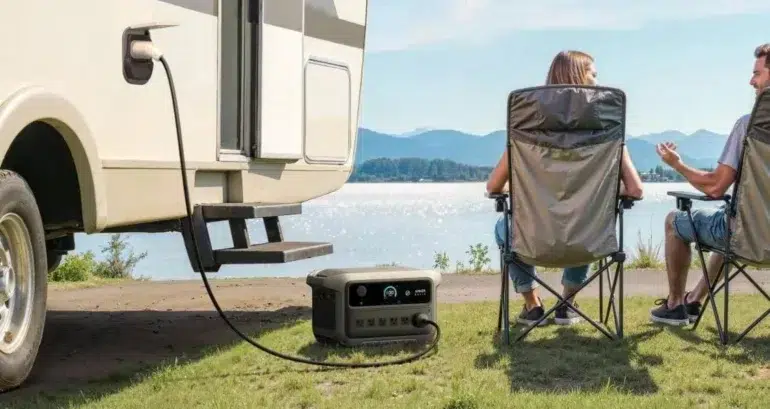
Portable power station setup ideas can make outdoor trips easier, safer, and more comfortable. Whether you are camping for a weekend or driving across several states, a well-planned power system helps you run lights, charge phones, support cooking gear, and keep important travel electronics ready. The key is to build a setup around your actual activities instead of packing random cables and oversized equipment. A practical arrangement saves space, reduces clutter, and helps you avoid running out of power when you need it most. With the right layout, charging options, and protection measures, your outdoor power setup becomes a dependable part of every trip.
Build an Efficient Portable Power Station Setup for Different Activities
Camping Setup for Lighting, Cooking, and Comfort Devices
A camping setup should support evening lighting, small cooking tools, and a few comfort devices without creating cable mess around the tent or picnic table. Place the portable power station on a stable, dry surface under cover, then assign devices by priority: lights first, phone charging second, and higher-draw items like electric kettles or compact cookers only when needed. Run one extension hub toward the cooking area and another toward sleeping space for lanterns, fans, or a heated blanket. Keep charging schedules simple by topping up everything before dark. This arrangement improves safety, keeps walkways clear, and gives you reliable access to power for both essentials and comfort throughout your campsite.
Road Trip Setup for Electronics and Travel Essentials
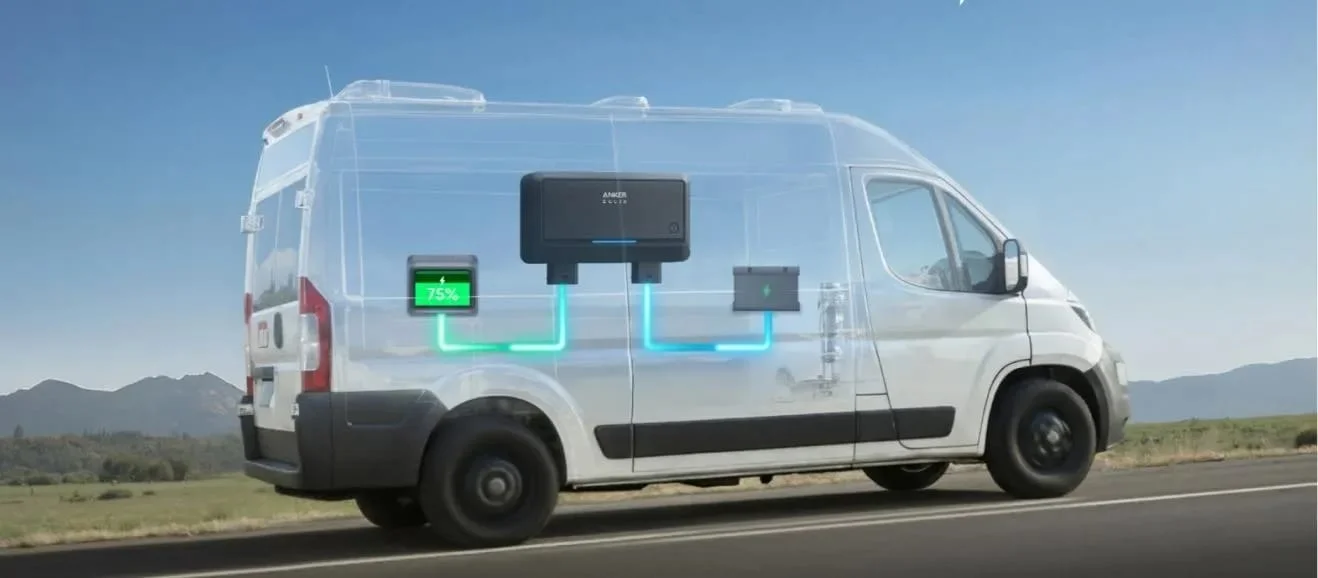
A road trip setup should focus on convenience inside the vehicle and quick access during rest stops. Store the portable power station behind the front seats or in the cargo area where ventilation remains clear. Use it to charge phones, tablets, cameras, a travel cooler, or work devices while keeping cables routed along seat edges instead of across footwells. For frequent drivers, the Anker SOLIX C2000 Gen 2 Portable Power Station fits extended travel well with 800W UltraFast Alternator Charging and 3-in-1 charging that can recharge 8 times faster than a standard car socket, reaching 100% in 3 hours. Its expandable capacity up to 4kWh also supports longer road-based adventures.
Organize Your Outdoor Power System for Better Convenience
Match Power Capacity With Devices and Usage Time
Start by listing every device you plan to run, then estimate how many hours each one will be used daily. This gives you a practical way to size your portable power station setup instead of guessing and to identify the features that matter when choosing the best portable power station for your needs. Low-draw gear such as LED lights, phones, and cameras can run for long periods, while appliances that create heat or cooling use more stored energy much faster. Group devices into essential, useful, and optional categories so you always protect the most important loads first. If your trip includes overnight use, reserve part of your capacity for late charging or emergencies. Clear power planning prevents overload, avoids wasted battery space, and keeps outdoor routines running smoothly.
Arrange Charging Ports and Accessories for Easy Access
A clean layout makes your outdoor power system easier to use throughout the day. Place the power station where you can reach the display and main ports without moving coolers, bags, or camp furniture. Dedicate separate areas for AC outputs, USB charging, and accessory storage so each cable has a clear purpose. Short cables work best for nearby devices, while longer cords should be coiled and labeled to avoid tangles. Keep adapters, car chargers, and spare connectors in one weather-resistant pouch near the unit. When everyone in the group knows where to plug in, charging becomes faster and less chaotic. Good port organization also reduces accidental unplugging and unnecessary strain on cables.
Improve Outdoor Power Reliability With Smart Preparation
Use Solar Charging and Backup Options for Longer Trips
Longer outdoor trips benefit from a charging plan that restores power daily instead of relying only on stored capacity. Solar panels are a practical option for campsites, trailheads, and other places where grid access is unavailable. Set panels in direct sunlight, adjust their angle when possible, and keep the surface clean for steadier input. It also helps to build a backup routine around driving and overnight stops. Fast recharge capability can shorten downtime significantly; for example, AC and solar charging can bring a compatible unit to 80% in 45 minutes and 100% in 58 minutes. Using more than one charging source gives you flexibility and keeps essential devices available over multiple days.
Protect Your Equipment During Outdoor Adventures
Outdoor conditions can damage power equipment quickly if you do not plan for dust, moisture, impact, and heat. Keep your portable power station on a flat surface away from puddles, direct rain, and loose dirt. If weather changes suddenly, move it under an awning, vehicle hatch, or waterproof shelter while maintaining airflow. Avoid leaving cables stretched across busy paths where people can trip or pull connectors loose. During transport, secure the unit so it does not slide in the trunk or truck bed. Store accessories in sealed bags or cases, and inspect ports before plugging anything in. Simple protection steps extend equipment life and help your system perform reliably on every trip.
Conclusion
A strong portable power station setup starts with matching your gear to the way you actually travel. Campers need a layout that supports lighting, cooking, and comfort, while road trippers benefit from organized charging for electronics and travel essentials. Capacity planning, smart cable placement, and easy port access improve daily convenience. For longer outings, combining solar input with backup charging keeps your system ready without interrupting the trip. Just as important, protecting equipment from weather, dirt, and rough transport preserves performance over time. With a thoughtful setup, portable power becomes more than backup energy; it becomes a practical tool for smoother, more enjoyable outdoor travel.