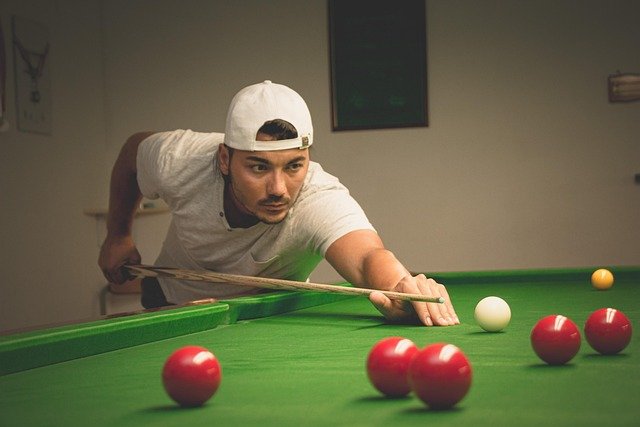
There is an interesting phenomenon often seen when people first take up cue sports. Most beginners believe that improvement comes simply from playing more matches. Yet, as the weeks go by…
Shots still rattle in the jaws of the pockets; cue ball control feels elusive. Sometimes you are unstoppable, while at other times, you miss even the simplest shots. Eventually, someone at the pool hall might say something that sticks with you: “Have you tried using your own cue?”
The difference this question makes far outweighs any instructional video. While practice is crucial, your cue equipment has been subtly influencing every shot you take long before you even realize it.
The Hidden Reason Beginners Struggle
Most people start out using house cues. This is perfectly understandable: they are convenient, require no upfront investment, and few want to rush into buying gear before knowing if they’ll stick with the sport long-term. However, house cues are designed for durability, not for individual preferences.
Varying cue weights, centers of gravity, and tip conditions mean the feel is different every time you play. Imagine learning to drive a different car every week; while you would eventually get on the road, building confidence would take much longer. Cue sports are no different. Consistency breeds confidence, confidence creates rhythm, and rhythm leads to great results.
Your Cue Is More Than Equipment
Ask experienced players what transformed their game. Many won’t cite specific techniques, but rather a sense of “familiarity.”
Owning your own cue creates consistent playing conditions. Your cue grip settles naturally, and your stroke doesn’t need constant adjustment to suit the equipment; instead of wrestling with the gear, you can focus entirely on executing the shot.
For snooker players in particular, choosing a snooker cue suited to beginners and intermediate players is often the turning point that transforms the sport from a source of frustration into a source of enjoyment. And “suitable” doesn’t necessarily mean expensive. Finding the right cue isn’t just about spending more money.
Finding the Right Cue Isn’t About Spending More
One of the biggest misconceptions in the world of billiards is that “high-end” automatically equates to “better.” That simply isn’t the case. A cue stick that suits your height, stroke rhythm, and playing style will outperform an expensive one that feels awkward in your hands. When choosing, focus on these four aspects:
1. Weight
Lighter cues often facilitate a delicate touch and technical finesse, while heavier cues offer a sense of stability and composure. Neither is inherently superior to the other.
2. Balance Point
This is a crucial factor that many overlook. Even with the same total weight, a front-heavy cue feels completely different from one with a centered balance point.
3. Tip Feel
Some players prefer a softer feel upon impact, while others favor a more solid, firm sensation. Even subtle differences are easily noticeable.
4. Cue Construction
One piece, two piece and ¾-jointed cues each bring a slightly different experience. A comfortable feel should always be the top priority.
If you primarily play UK Blackball, trying a high-quality English pool cue could revolutionize your sense of shot control. If you prefer powerful breaks and faster cue ball movement, a balanced 8 ball pool cue might better suit your style.
For players looking to upgrade from house cues, exploring modern cues provides a clearer understanding of the differences in weight, design, and construction.
If budget is a concern as it is for most people, there are plenty of affordable, quality cues on the market today that are far from being cheap, “make-do” options. If you are buying for a beginner or simply want a hassle-free experience, a complete cue set can save you the trouble of agonizing over individual choices.
Even players who switch between different game formats often find that the skill improvement gained from owning a dedicated cue far outweighs the results of endlessly swapping between different ones.
The Emotional Side Nobody Talks About
Walking into the pool hall with your own cue brings a sense of satisfaction that is hard to put into words. It isn’t about showing off; rather, it signifies dedication and commitment, you are playing for yourself.
Your billiard cue becomes a vessel for your own stories. That first “run-out” (clearing the table in one turn), that lucky bank shot, or that night when your touch was simply magical, it becomes as familiar and cherished as an old friend, much like the deep bond a musician forms with their instrument. And this relationship transforms your mindset toward practice.
Your First Cue Won’t Be Your Last Might Be Your Favorite
No one remembers every single game they’ve played, yet most players vividly recall their first proper cue. That is often the turning point when the sport stops feeling unpredictable or elusive.
You begin to grasp the nuances of the stroke, trust your cue action, and enjoy the thrill of improvement. And remarkably, that is often when the victories start rolling in.
So, before you chase advanced techniques or engage in endless, tedious drills, ask yourself a simple question: Are you truly mastering the sport, or are you merely adapting to someone else’s cue?