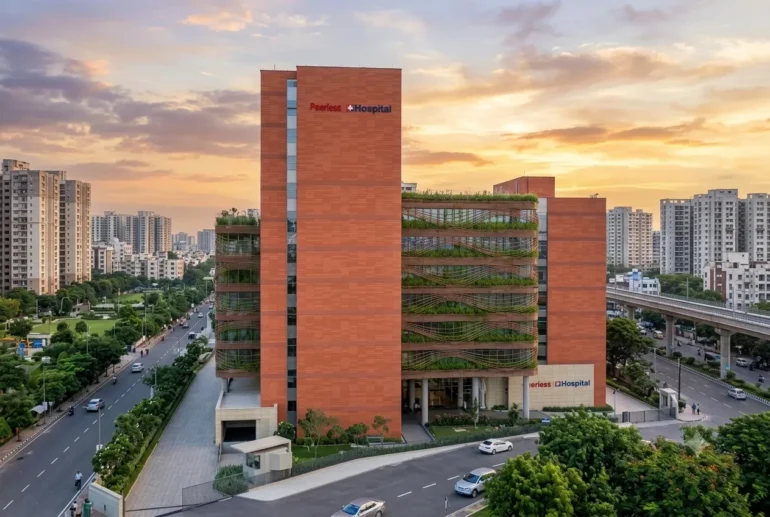
Contemporary healthcare is not only about professional doctors and treatment techniques. Nowadays, patient safety largely depends on the quality of the infrastructure and technologies used in the hospital as well as its operations system that ensures effective clinical processes. From infection prevention practices to monitoring and preparation for emergencies, advanced healthcare resources become crucial for the creation of a safer environment for patients, carers, and healthcare providers. With the development of healthcare expectations, hospitals are spending more on the infrastructure that could help decrease the risks and improve the quality of care.
Under the legacy of the Peerless Group, healthcare services are carried out by the means of Peerless Hospitals with top-notch healthcare institutions found in locations like Kolkata, Barasat, and Guwahati. Within these hospitals, a blend of highly qualified professionals, infrastructure, and patient care can be found to facilitate good results. With modern technology, digital healthcare solutions and clinical services, we make the process of receiving healthcare more secure and streamlined, but our emphasis still lies on the combination of clinical excellence and compassion for all patients.
Advanced Healthcare Resources Enhance Patient Safety
The safety of the patient is inextricably linked to the environmental setting that is provided during the process of healthcare. Modern-day hospitals depend more on advanced healthcare resources to reduce risks.
Infection Prevention via Intelligent Building Design
Acquiring an infection is still among the serious concerns in healthcare facilities. Planning for infrastructure now involves designing special ventilation, isolation facilities, touch-free technologies, and improved sanitation procedures.
This strategy for ensuring the safety of the facility is based on advanced healthcare resources, which enable the maintenance of more hygienic environments, compliance with infection control guidelines, and the creation of safer treatment settings for patients and healthcare professionals.
Emergency Response and Real-Time Monitoring
Patient safety largely depends on how quickly medical personnel can respond to changes in patient status. Advanced monitoring systems enable healthcare providers to continuously monitor patients’ vital signs and receive immediate notifications when intervention is needed.
Use of advanced healthcare resources, including the central monitoring system, emergency response systems, and digital communication systems, plays an important role here.
Patient Transportation and Workflows Safeguarded
The architecture of a hospital plays an important role in ensuring patient safety. Designing appropriate corridors, pathways for emergencies, areas for specific treatments, and streamlined workflows will help eliminate any delays or mistakes in operations.
The availability of efficient infrastructure, along with modern facilities in healthcare, helps in better coordination between medical personnel. This also highlights the importance of multispeciality hospitals in terms of improving patient care through effective coordination.
Infrastructure Features that Increase Patient Safety
There are some infrastructure components which collectively result in a safe and dependable environment for the provision of healthcare services:
i) Electronic Health Records: Computerised health records systems decrease the potential for mistakes during documentation and increase the availability of patients’ health data.
ii) Sophisticated Diagnostic Capabilities: More rapid and precise diagnoses allow healthcare providers to start treating patients promptly.
iii) Advanced Communication Tools: Integrated communication tools facilitate cooperation among healthcare professionals.
iv) Specialised Critical Care Units: Treatment units designed for high-risk patients ensure that they receive proper attention.
v) Automated Drug Administration System: The use of computerised technology assists in minimising mistakes during drug prescription and administration.
vi) Advanced Operating Theatres: Modern operating rooms increase the safety and effectiveness of surgical interventions.
vii) Integrated Safety Surveillance: Surveillance and monitoring systems facilitate the detection of potential problems in the operations of health facilities.
viii) Emergency Infrastructure: Emergency infrastructure allows reacting rapidly in case there are any medical emergencies.
ix) Navigation Systems: Guidance systems minimise the potential for confusion and facilitate patient mobility in healthcare facilities.
x) Preventive Infrastructure Maintenance: Regular examinations of infrastructure prevent any potential failures of essential healthcare system elements.
Why Hospitals of This Era Are Still Investing in Infrastructure
Healthcare institutions understand that the safety of patients is dependent on continued investments in their infrastructure. By improving infrastructure with advanced healthcare resources, hospitals can reduce unnecessary risks and improve the efficiency of their services.
Modern Technologies
Advanced medical technologies are very essential in ensuring that there is improved accuracy and effectiveness of treatment. With the help of cutting-edge technology and minimally invasive methods, they offer more secure and efficient treatment in different areas of medicine:
- Keyhole Surgery
A minimally invasive keyhole surgery provides less pain and less scarring compared to many other traditional surgical procedures.
- AI Cath Lab
An AI cath lab makes cardiac diagnostics and interventions more accurate, providing information needed for making decisions about treatment.
- Joint Replacement Assisted by Microsoft HoloLens
Peerless Hospital in Kolkata employs the use of Microsoft HoloLens for performing joint replacements, helping to increase the accuracy and planning of the process.
- Advanced Treatment Technologies
They have all the latest medical technologies, including Robotic Surgery, TrueBeam Linear Accelerators, Brachytherapy, PET-CT, SPECT-CT, Molecular and CAR-T Cell Therapy, Molecular & Genetic Testing, Bone Marrow Transplantation, Immunotherapy, Targeted Therapy, and CAR-T Cell Therapy, which enable them to provide services across various areas of medicine.
Modern Infrastructures
The modern healthcare facilities provide comfort, efficiency in operation and improved healthcare services. In the Peerless Hospital, the upgrade of facilities represents the strategy implemented to build a safe, efficient and comfortable healthcare setting:
Patient-focused Care Services
They build their infrastructure to ensure the comfort of patients:
- Lighting facilities that use energy-efficient lights and sensors increase the level of convenience for the patients in their wards.
- Large and thoughtfully designed wards provide a comfortable environment for the recovery of patients.
- Consultation and treatment areas will improve the process of patient care.
- The well-designed space will be convenient to navigate for patients, their visitors, and healthcare professionals alike.
- New interior design and equipment create an inviting atmosphere in the hospital.
Facilities Built for Healthier Living
The infrastructure in today’s era is not just about aesthetics; rather, it plays a direct role in ensuring patient safety and high-quality healthcare provision:
i) Smart Hospital Setting: An upgraded infrastructure enables smooth functioning in the hospital setting while making things more convenient for patients.
ii) Design with Comfort: The current infrastructure and advanced healthcare resources combine to provide a comfortable healthcare experience for patients.
iii) Consistent Upgrading: Continuous upgrading of the infrastructure ensures that the hospital meets healthcare requirements.
Future Advantages of Modern Healthcare Infrastructure
Modern infrastructure provides advantages that go beyond short-term care provision. They include enhanced safety of service provision, increased efficiency, and better overall experience for patients:
- Greater Clinical Precision
The use of advanced diagnostic tools can greatly help healthcare providers to make well-informed clinical decisions without committing any unnecessary mistakes.
- Enhanced Operational Effectiveness
A well-planned system facilitates smooth operations and communication among different units and professionals working in healthcare organisations.
- Increased Patient Trust
It is easier for patients to trust healthcare professionals working in a hospital where there are clear safety precautions and modern technologies that ensure good organisation.
- Coordinated Care Delivery
Healthcare systems that integrate their operations assist in greater collaboration between doctors, nurses, specialists, and other personnel.
How Patients Can Determine Safety-Focused Healthcare Facilities
Certain signs could enable patients to determine if the hospital values patient safety via proper infrastructure and efficiency:
- An effective communication system that facilitates patient participation.
- Proper maintenance of the facilities, together with evident safety and hygiene standards.
- Advanced healthcare resources alongside diagnostic and monitoring equipment facilitate efficient decision-making.
- Effective emergency care facilities and critical care infrastructure.
- Digital systems that facilitate coordinated patient care.
- Technology and infrastructural investment for enhancing patient safety.
Final Words
Besides being dependent on the clinical knowledge and skills of professionals, patient safety is influenced by many environmental factors. The advanced hospital infrastructure, modern technologies, the well-coordinated workflow, and carefully planned facilities ensure a safe and effective treatment experience for every patient. Given the increasing demands of the patients, healthcare providers should implement new technologies that will allow for quality improvement and the provision of quality care services.
The hospitals, which emphasise advanced healthcare resources, tend to provide consistent patient-centred treatment at all stages of the process. Involving innovations and implementing the infrastructure of safety, healthcare organisations continue enhancing the level of confidence and quality of treatment experiences for patients.
FAQs
- What are the benefits of patient safety measures in achieving good treatment results?
Patient safety measures ensure the reduction of medical mistakes, infections, and coordination in the provision of care, which creates a safer atmosphere and helps achieve good results of treatment.
- What is the importance of hospital infrastructure in modern healthcare?
Modern hospital infrastructure allows for making a precise diagnosis and providing prompt treatment in case of emergencies, which makes a significant contribution to the provision of quality healthcare services.
- How do quality healthcare services influence patient satisfaction?
Quality healthcare services involve highly qualified specialists, good communication skills, and support of patients, which makes patients feel more comfortable and satisfied.
- What is the role of advanced technologies in ensuring patient safety?
Advanced technologies help healthcare providers monitor patients better, determine risks and make clinical decisions.
- Can today’s medical institutions lower the level of medical mistakes?
Yes. Digital technologies, standardisation, and control mechanisms prevent unnecessary medical mistakes and increase treatment accuracy.
- What measures would patients take to identify a safe healthcare facility?
Patients will look for high levels of safety measures, modern infrastructure, well-coordinated teams of professionals, and a focus on improving health services.